All Categories

Subcategories

  • Colombia: Petro’s fast track transition hits obstacles

    Patrick de Courcy 09 March 2023 Hits: 2436

    Comparatively speaking Colombia stands out because it is both highly dependent on fossil fuels while simultaneously trying to fast-track its version of a fair energy transition. In 2022 left-wing politician and former guerrilla Gustavo Petro campaigned insistently for policies designed to radically decarbonise the economy. He took office in August of that year. In his first six months in office (running to February 2023) he began to map out policies for the transition, attracting some domestic criticism from those who believe he is trying to move too far too quickly.

    The government position was set out when both Petro and his mines and energy minister Irene Vélez-Torres travelled to the annual meeting of the World Economic Forum at Davos in Switzerland in January 2023. At the meeting the two announced that Colombia would cease to issue new oil and gas exploration contracts. Separately they have also committed to pass legislation banning fracking. Petro said: “We are convinced that strong investment in tourism and clean energies will allow us on the short term to fill gaps left by the fossil fuel industry.” He also spoke of reorganising Colombia’s traditional export model (where around half export revenue comes from coal, oil, and gas). He said he felt a sense of urgency because “climate change can extinguish life on the planet, not in centuries, but in decades”. For the longer term, Petro also called for what he described as “decarbonised capitalism”.

    The exact nature and timing of the transition that is being proposed in Colombia is not entirely clear. What became evident early on was that ministers and officials in the new government were not all necessarily “on message”. In December majority state-controlled oil company Ecopetrol announced a three-year investment plan with targets to drill 1,600 exploratory wells across the country (a plan that would appear to clash directly with the officially announced ban on new exploration). While Ecopetrol also contemplated investment in renewables it proposed significant continued spending on fossil fuels. The Ukraine war, which started in 2022, led to high fossil fuel prices and turned Ecopetrol into something of a cash cow, boosting tax payments to the treasury. There may understandably be a political reluctance to abruptly switch off that revenue stream.

    Finance Minister José Antonio Ocampo also seemed to envisage a slower transition. He told Spanish newspaper El País that oil would continue to be produced. “The goal is to maintain oil production, at least during the 15 years of transition” he said, adding that “there will be an energy transition, but it will maintain oil export at levels that allow us to have the foreign exchange that the country needs”. Ocampo was also enthusiastic over prospects for increased natural gas exports.

    Outside government the oil and gas industry, represented by the Asociación Colombiana de Petróleo (ACP), announced its opposition to cancelling new exploration and production contracts. In a statement it said ongoing exploration and production was “essential” for Colombia’s energy self-sufficiency in the short, medium, and long term. It also said the government was focusing too much on cleaner energy in the power sector, and not enough on the transport sector which, ahead of the introduction of electric vehicles, remained “99.9% dependent” on fossil fuels.

    For some experts the new government has simply got its numbers wrong.  At Davos, Mines and Energy Minister Velez-Torres said the government had reviewed existing oil and gas contracts and concluded that supply was guaranteed to 2037, or even to 2042, by which date there could be a small surplus. This statement was based on a government-commissioned report which among other things estimated reserves in the Sinú 9 onshore gas block and recent offshore discoveries. However, Alejandro Fula of the Universidad Nacional de Colombia believes the assessment was over-optimistic. “We have oil and gas reserves for eight to ten years respectively, but that period is not long enough to make the transition or the transformation of Colombia’s economic base”, he told trade journal Energy Monitor. Other experts point out that offshore gas fields are in ultra-deep water, meaning extraction costs will be much higher, raising questions about their commercial viability.

    Fula emphasized that ramping up renewable energy supply is a complex task which involves long-term planning and decision making. In Colombia’s case this would include a major reorganisation of rail and river transport infrastructure. Rather than accusing her of presenting false figures, he said that minister Vélez-Torres was “mixing expectations with observations”. Building the new infrastructure for renewable energy and weaning manufacturing operations off fossil fuels would take between 10 and 20 years he estimated.

    There are also a number of unanswered questions about Colombia’s coal mines, such as El Cerrejón in La Guajira department, which is owned by Glencore, a Switzerland-based mining conglomerate. El Cerrejón has been the source of disputes over pollution with local indigenous communities. If a ban on new coal exploration contracts is enforced, it is calculated that some 300,000 tonnes of Colombian coal will remain underground. El Cerrejón will eventually close but there is little regulation for how the costs of the environmental management and closure of mega-projects in energy and mining should be conducted.

    Where does Colombia stand on the energy transition?

    Data from the International Energy Authority (IEA) reveals the Colombian economy’s high-carbon intensity, with a marked reliance on oil, natural gas, and coal, in that order. The Climate Action Tracker (CAT) think tank rates Colombia’s overall performance on meeting climate change targets as “insufficient” – in other words, it is not in line with keeping global warming to below 1,5 degrees C. CAT acknowledges the decarbonisation pledges made by the new president, but it says the country is still failing to meet its own NDC emission-reduction commitments and is running at about 24% over target.

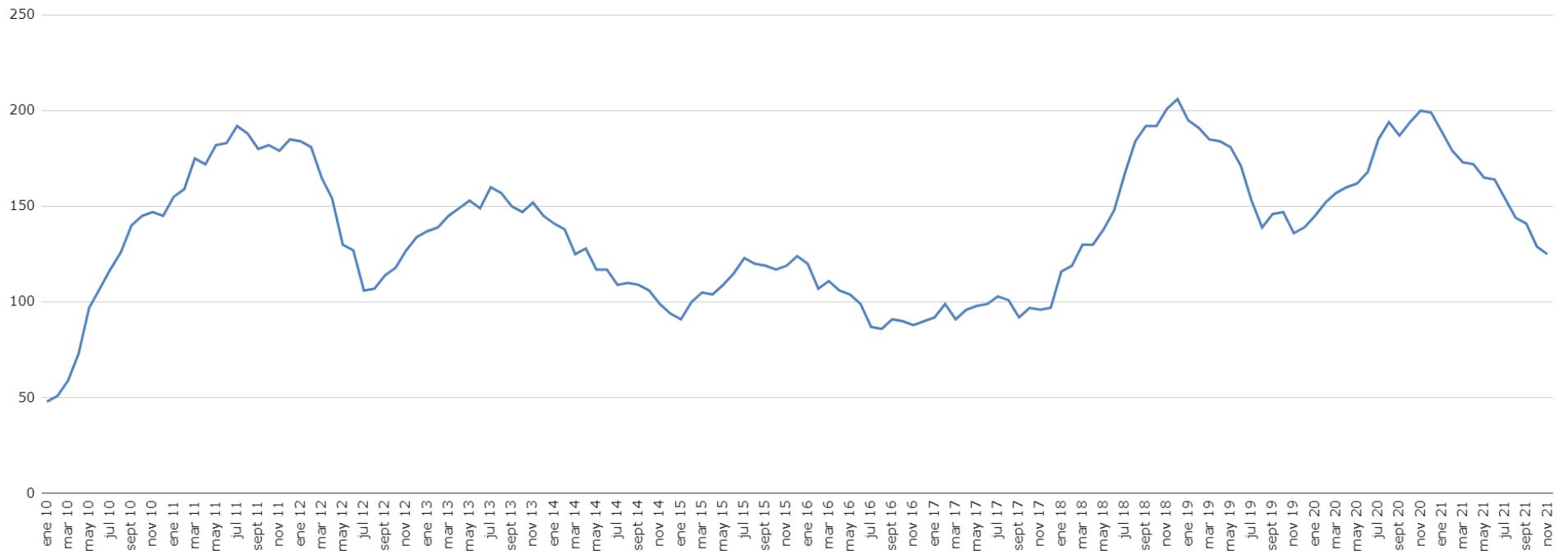
    Total energy supply by source (TES), Colombia 1900 – 2021

    Source: IEA

    AT recommends more action to reduce dependence on coal which accounts for 10% of total power supply and 13% of exports. It notes that the government’s National Energy Planning Unit has ruled out the construction of new coal-fired power plants. It also calls on the government to strength its targets for the adoption of electric vehicles (EVs).

  • NICARAGUA: The Grand Canal: white elephant or serious proposition?

    LatinNews 09 July 2013 Hits: 7405

    Incredulity was perhaps the main international reaction to the news on 11 June that the Nicaraguan government had awarded a virtually unknown Chinese company a 50-year concession to build a new canal across the Central American isthmus, at an estimated cost of US$40bn. A few weeks on, massive question marks remain, but some of the economic arguments are becoming clearer.

    In brief, the story so far: Nicaragua’s President Daniel Ortega awarded a 50-year concession to build and operate a new canal to HKDN, a new company registered in Hong Kong and controlled by 40-year old mainland China businessman Wang Jin. It describes itself as a “privately-held international infrastructure development company”.

    Included in the project are proposals to build a trans-isthmus freight railway, an airport and two duty-free zones. The concession can be extended once (so to 100 years in total). Under the preliminary framework bill approved in parliament back in July 2012, the Nicaraguan government gradually would take back majority control of the scheme over the life of the contract (to have 51% of HKDN shares, with Wang maintaining a minority interest). This was not included in the actual text of the concession awarded this year, although it appears to be the assumed deal.

    Little is known of Wang’s background, apart from the fact that he has no civil engineering experience, although he runs a small company called Xinwei Telecom. His main adviser for this project appears to be Ronald MacLean Abaroa, a former mayor of the Bolivian capital La Paz (he served four consecutive terms between 1985 and 1997), who has also worked as a World Bank official and who HKDN describes as its official spokesperson. Wang says progress already has been made to begin raising the estimated US$40bn worth of investment required for the project, and that work should begin next year.

    Although questions abound, the economic arguments for this second canal do have some weight. The existing Panama Canal, which currently takes around 5% of world cargo trade, is being expanded at a cost of US$5bn. When work is completed next year the Panama Canal will still be restricted to taking ships of 65,000 tonnes or less. At first glance it might be argued that with world trade on a somewhat sluggish recovery path, there will simply not be enough demand for the services of two canals linking the Atlantic and Pacific across Central America. In this scenario, each will be condemned to cutting its charges in a desperate struggle for business and neither will be economically viable. The picture changes, however, if you assume that energy and trade needs will boost demand for megaships, both container vessels and giant tankers.

    Lin Boqiang of the China Centre for Energy Economic Research at Xiamen University seems to have exactly that in mind, telling China Daily that “the canal will accommodate large liquefied natural gas carriers and oil tankers from the United States and Venezuela heading towards China. The new canal will become a lifeline in global energy trade”. There is some evidence that China has its eyes on importing US gas produced by hydraulic fracturing and that some of the biggest US LNG export terminals will be on the east coast (such as the Texas Gulf Coast or Louisiana).

    Some analysts conclude that this in fact is a Beijing government project, something that Wang formally denies. For a virtually unknown businessman, however, he had certainly been able to pull in important companies to collaborate. He says US-based McKinsey & Co have been retained as advisers, and that the project also has the support of China’s largest construction company, China Railway Construction Corp. Although small, Xinwei Telecomms appears, according to its website, to have received various official visits from a number of top Chinese officials, including president Xi Jinping.

    There is a very long list of unknowns at this stage. The route of the canal has not been determined, although it will have to go through Lake Nicaragua, raising a number of important environmental issues. Nicaragua’s indigenous communities who could be affected by the project have not been consulted. Neighbouring countries such as Costa Rica have expressed concern over the impact on shared river systems. No environmental impact assessment has yet been conducted.

    Nicaragua’s opposition questions the way in which the concession has been granted, with no competition. Nicaragua and China do not have diplomatic relations (Managua has traditionally recognised Taiwan). The US, which has a long-standing ‘strategic interest’ in the Panama Canal, will be unfavourably disposed to what might be seen as a China-controlled alternative so close to its own borders. Perhaps indicative of the US attitude was a comment from Evan Ellis, a professor at the US National Defence University, who asked: “Are international shipping companies going to trust a one-guy shop with minor telecommunications experience to be the system integrator on a US$40bn project in a country whose transparency is already subject to question?”

  • Mexico: Flying into crosswinds

    LatinNews 02 November 2018 Hits: 609

    After successfully convincing the markets that he will be business-friendly and follow sound macro-economic policies when he takes office on 1 December, Mexican president-elect Andrés Manuel López Obrador (AMLO) has ended up distressing investors with his cancellation of the NAIM airport project to serve Mexico City.

    The president-elect has long questioned the US$13bn project to build a new Mexico City airport on a dried-out lake bed at Texcoco. He has argued that the project, now one-third complete, has been tainted by corruption and is being built on land prone to subsidence. From early on in his election campaign he had promised there would be a public consultation to decide the future of the project. His team came up with an alternative – to keep the current, saturated Benito Juárez international airport in operation, and to add two further runways at the Santa Lucia military airbase, 50km north of the capital, turning it into a civilian airport.

    A four-day public vote on which of the two options to pursue came to an end on Sunday 28 October. Wasting no time, on Monday 29 October AMLO announced that his incoming administration would cancel the project.

    Nearly 70% of those who voted opted against the expensive Texcoco project and for the less costly Santa Lucia alternative. AMLO hailed the decision as “wise” and claimed it would save taxpayers MXN100bn (US$5bn). But despite his confidence there were multiple questions about the validity of the exercise and the technical and financial viability of changing the plan. These came together to trigger business worries: immediately after the announcement the value of the peso, which has served a something of a litmus test of confidence in the incoming administration, fell by 3.5%. Share prices also took a tumble, with Mexico’s stock exchange (BMV) falling 4.2% on 29 October (see below).

    A first problem was the way the consultation was conducted. AMLO opted not to have it run by INE, the national electoral institute, but instead put it in the hands of a not-for-profit body, the Fundación Arturo Rosenblueth. Voting booths were located in only 538 of the country’s 2,463 municipalities. Critics noted that it was technically possible to vote more than once (according to media reports, some people did so, although this appears to have happened in only a minority of cases). There were also problems with electronic software used to check voter identification. The net result was that only around one million people – about 1% of the national electorate – took part in the exercise. In short, only a tiny minority of Mexican voters took the decision. The result was supposed to be non-binding, but AMLO had earlier said he would respect it and act accordingly (the president-elect said he himself had cast a blank ballot).

    A second major issue is what the consultations says about the incoming government’s commitment to honour contracts with the private sector. The Texcoco project has been under way for a number of years and a wide group of local companies, including some controlled by Carlos Slim, one of Mexico’s most powerful entrepreneurs, are acting as construction and engineering contractors. Mexican pension funds and private investors have also put money into the project. The immediate question is therefore how these contractors and stakeholders will be affected and if necessary, compensated for the cancellation of the work. AMLO’s team said the incoming government would allocate no further resources to Texcoco, but that the rights of investors and bondholder would be fully guaranteed. AMLO suggested some contractors might be asked to switch to work on Santa Lucía. For an incoming president promising fiscal austerity, the question is whether the true cost of stopping one airport plan and switching instead to another has been fully calculated, or is itself wasteful. According to Grupo Aeroportuario de la Ciudad de Mexico (GACM), which has been managing the Texcoco project, the actual cost of shutting it down, including lawsuits, severance payments, and penalties, will be around MXN120bn (US$6.1bn).

    A third point is technical. Some experts have argued that operating two airports simultaneously in the capital (the existing airport plus the two proposed new runways at Santa Lucía) could complicate air traffic control and raise safety issues. The International Civil Aviation Organisation (ICAO) called for a technical tidy because of the danger of collisions or the need to stagger flights in a way that would severely limit traffic volume. It was only days before the consultation that Javier Jiménez Espriú, designated by AMLO as his future minister for transport and communications, was able to produce a consultancy report (by Navblue, a subsidiary of Airbus) confirming that the two sites can operate in parallel and safely.

    Business groups were taken aback by the decision. The Consejo Coordinador Emprsarial (CCE) said that the cancellation of the NAIM project sends the wrong message and increases uncertainty as it undermines the commitments made by the Mexican state to the business sector, as well as the judicial framework. “The message being sent to citizens, to the international markets, to firms and investors, is that there is no certainty in the contracts signed,” CCE president Juan Pablo Castañón said. Castañón added that this would have a negative effect on Mexico’s international image, and he called on López Obrador to reconsider. Gustavo de Hoyos, president of business lobby Coparmex (and someone who has crossed swords with AMLO in the past) said the consultation lacked legitimacy and statistical validity and that the rational thing to do was to continue with the Texcoco project. Public consultations required clear rules he said, and should not be left to the whims of those in power. Cancellation of the project would mean that Mexican and international investors would think twice before taking part in any similar projects. A similar warning came from José Ángel Gurría, the Mexican general secretary of the OECD, who said cancelling the Texcoco project would make the country less attractive as an investment platform.

    Clearly these views are shared by other international observers. Following the announcement, investment bank Morgan Stanley issued a note to its customers advising them against buying Mexican assets, noting that it now expects a fall in investor confidence in Mexico. Meanwhile, Moody’s Investors Service, which had warned that the cancellation of the NAIM project would lead to it revising down Mexico’s credit rating, immediately downgraded its rating of bonds issued by the Mexico City airport development fund from ‘Baa1’ to ‘Baa3’, which led to the BMV fall.

    Enrique Cárdenas, a professor at Universidad Iberoamericana at Puebla, tweeted that AMLO’s decision “will be remembered as one of the worst stupidities by a president in contemporary economic history. I hope I am wrong.” Gabriel Siller, an economist at Banco Bas, said the cancellation of the Texcoco plan would raise perceptions of sovereign risk, limit fixed investment in Mexico, and reduce the country’s long-term economic growth potential.

  • Peru security snapshot

    Abbi Dicker 22 October 2026 Hits: 37

    Political violence has been relatively low in Peru since the end of the long conflict with the Maoist Sendero Luminoso (SL) guerrilla movement in the 1990s. Illicit coca cultivation and trafficking remains a major security threat, however. Profits from drug trafficking, illegal mining, and logging have funded a small resurgence of SL and other groups in isolated areas of the country, including the VRAEM - the valley of the Apurímac, Ene, and Mantaro rivers. Domestic criminal groups work in collusion with Mexican and Colombian cartels.

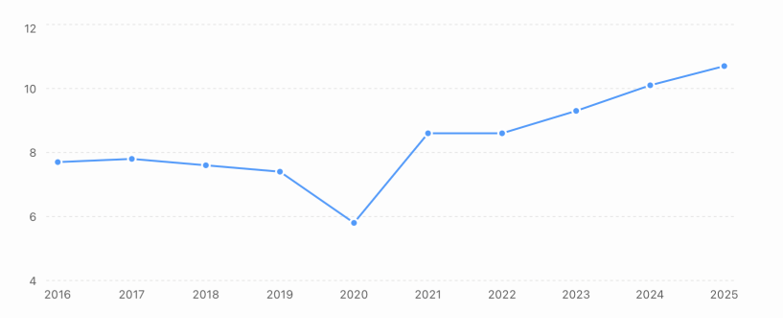
    Peru’s homicide data poses some questions. On paper, along with Chile, the country has one of the lowest murder rates in Latin America. Up to 2019, this rate was relatively stable at 7.4-7.8 per 100,000 inhabitants. In 2020 it dipped to 5.8, reflecting the extraordinary impact of the Covid-19 pandemic. Thereafter it rose steadily to reach an estimated 10.7 in 2025. A simple reading of the numbers might suggest Peru is more peaceful than many of its immediate neighbours. However, that could reflect under-reporting or other methodological problems. It is also true that from a low base there has been a strong underlying upward trend. It is natural to expect Peruvian voters to pay more attention to changes in year-on-year crime figures than to comparisons that may be made with other neighbouring countries. And the official data indicates that the homicide rate increased by 44% in 2016-2025, going some way to explaining the intensity of feeling about the subject in the 2026 elections.

    Peru: annual homicide rate, 2016–2025

    Intentional criminal homicides per 100,000 inhabitants. The 2025 figure is an estimate/provisional rate.

    Source: Peru INEI/CEIC.

    The Fujimori government’s record in its first months in office is mixed. The new president has acted on some of her promises. She has requested 120 days of delegated legislative powers from congress; proposed categorising criminal cartels as terrorist organisations; taken the first steps towards greater involvement of the military in internal security and prisons; declared the capital Lima and the neighbouring port city of Callao to be under state of emergency; and joined the US-led Shield of the Americas security alliance. A plus for Fujimori is that the economy has been doing relatively well. But on security issues the electorate appears disappointed by the gap between Fujimori’s announcements and actual levels of criminality and violence.

    According to a late September poll by Datum, 42% approved of the president’s general performance, down by a remarkable 18 percentage points during her first month in office. Her disapproval rate rose to 44%. Other pollsters announced similar results. In early September IEP reported that Fujimori’s approval rate had dropped to 37% against a 49% disapproval rate. According to that poll, most respondents - 52% - felt that on security issues her government was just offering “more of the same”. That sense of frustration may have been helped by news that there were 267 homicides between Fujimori taking office on 28 July and mid-September.

    Frank Casas, a security analyst, says the Peruvian homicide rate is heading to above 11 per 100,000, and argues that it is unrealistic to have expected any rapid improvement with the change in government. Criminologist Nicolás Zevallos has given qualified support to the government’s plans for increased use of the military but suggested it should be done in carefully selected geographic areas affected by drug trafficking and illegal mining. He also calls for the government to break up criminal infrastructure and networks.

    Various analysts say that the absence of prevention measures is a major weakness of a policy focused primarily on harsher punishment. During the election campaign Fujimori had announced proposals for investment in youth crime prevention, but nothing has been heard since. Former deputy public security minister Julio Corcuera has proposed targeting extortion, because it is closely linked to homicides, especially in Lima. Former police chief Eduardo Pérez Rocha has warned of insufficient budgets and staff: by his estimate there is a nationwide shortfall of 70,000 police.     

  • ECONOMIC HIGHLIGHTS

    LatinNews 18 June 2021 Hits: 3830

    PARAGUAY | Sales of beef surge, underpin rising exports. Paraguay’s national service for livestock health and quality (Senacsa) released new figures on 1 June which show that beef exports surged in the first five months of 2021. Between 1 January and 31 May this year, Paraguay exported 142,757 tonnes (t) of beef, a 46% increase on the amount exported over the same period in 2020, to the total value of US$638.7m, a 56% increase on a year earlier. Chile was the main export market in January-May, accounting for 43% of total exports by value. It was followed by Russia (21%), Taiwan (10%), Brazil (8%), and Israel (7%). Senacsa’s figures were confirmed by trade data released by Paraguay’s central bank (BCP) on 9 June, according to which the country’s exports grew 23.5% in January-May this year compared with 2020, to a total of US$5.5bn. Paraguay registered a US$935m trade surplus over this period. Beef was one of the most dynamic exports in the month of May, accounting for 14.5% of total exports (second only to soya grains, which accounted for 34.6%), and surging 93.6% compared with May 2020.

    ARGENTINA | Warnings over economic impact of pandemic restrictions. The Organisation for Economic Co-operation and Development (OECD) warned Argentina that new mobility restrictions imposed in response to the coronavirus (Covid-19) pandemic are slowing the pace of recovery. In its Economic Outlook Report released on 31 May, the OECD expects Argentina’s economy to recover 6.1% this year after contracting 9.9% in 2020, but notes that the Covid-19 restrictions reimposed from April, and tightened in May, along with “persistent macroeconomic imbalances”, will “weigh down on domestic demand and limit domestic recovery”. A high level of community transmission and the presence of variants of concerns has forced the imposition of new restrictions in the country. According to the OECD’s calculations, Argentina will take the longest of all G20 countries to recover to pre-pandemic GDP per capita – not until after 2025.   

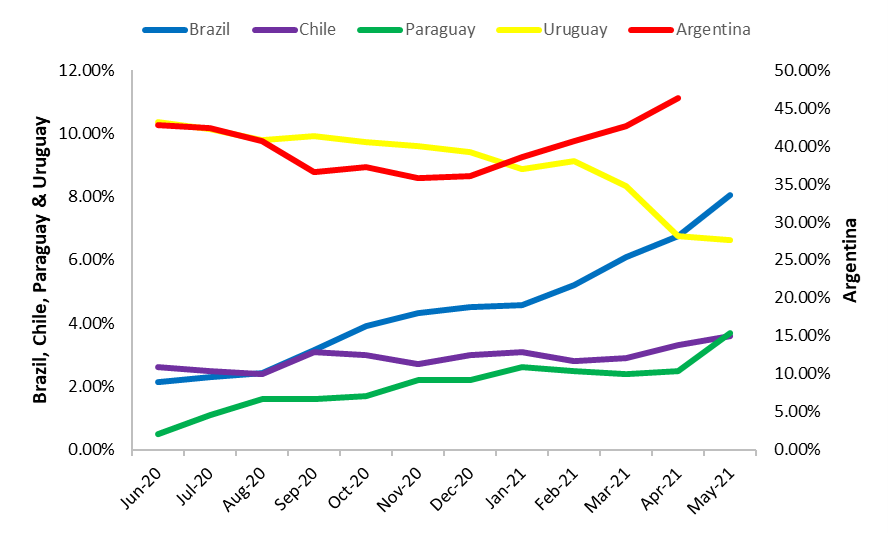
    Brazil & Southern Cone: Inflation
    Monthly year-on-year figures

    Brazil & Southern Cone: GDP growth (%)
    Quarterly figures are year-on-year growth
    Country 2020 2021 forecast *  Q2 2020 Q3 2020 Q4 2020 Q1 2021
    Argentina -9.9 4.9 -19.1 -10.2 -4.3 not yet available
    Brazil -4.1 3.2 -11.4 -3.9 -1.1 1.0
    Chile -5.8 5.0 -14.1 -9.1 0.0 0.3
    Paraguay -0.6 3.5 -6.5 -1.2 1 not yet available
    Uruguay -5.9 4.0 -10.6 -5.9 -2.9 not yet available
    *Figures from the United Nations Economic Commission for Latin America & Caribbean Dec 2020
    Quarterly growth and 2020 growth based on figures from the local central banks


  • Brazil: Problems stored up for next government

    LatinNews 03 August 2018 Hits: 662

    With less than three months to go before the elections, and five before handing over power to his successor, it is widely agreed that President Michel Temer is a lame duck. Congress is also winding down. So most of Brazil’s economic problems will have to wait until the new government tackles them in early 2019. It is quite a long list.

    The future president of Brazil could usefully spend some time reading the conclusions of the IMF’s latest Article IV consultation mission to the country, which was published on 11 July. The mission has good things to say about the country’s “mild recovery”, about the improvement in the current account deficit (which has narrowed from 4.2% of GDP in 2014 to 0.5% in 2017), about the fall in inflation (down by more than half in 2017 to 2.9%) about good foreign currency reserve “buffers”, and about the floating exchange rate system which gives the country the capacity to react flexibly to external shocks. The banking system is also described as resilient. But a lot of the rest made it clear rapid and perhaps radical intervention is needed.

    The mission says that despite the recovery the economy is underperforming, public debt is high and increasing, and medium-term growth prospects remain uninspiring in the absence of further reforms. Growth was 1% in 2017, and the Fund projects a moderate increase to 1.8% this year and 2.5% in 2019. But it warns that even if the outgoing Temer administration meets its constitutionally-mandated target of freezing public spending in real terms, public debt is expected to continue rising, peaking at 90% of GDP by 2023. Fiscal consolidation is therefore deemed to be a top priority. Between 2016 and 2017 alone, non-financial public debt soared from 78.3% of GDP to 84%.

    IMF Directors are reported to have concluded that for Brazil “fiscal consolidation is of paramount importance”. Top of the agenda is reform of the country’s loss-making pension system, a revision of which the Temer government tried, but ultimately failed, to push through congress. It is also suggested that Brazil needs to make “decisive efforts” to contain the public wage bill while protecting public investment and social programmes. Tax simplification would also be helpful. More generally, further reforms were deemed essential to raise productivity and future growth. They included reducing state intervention in credit markets, strengthening trade integration, developing public infrastructure, and combating corruption and money laundering.

    The next president may also be concerned over signs that, as attention focuses on the political noise of the election campaign, fiscal discipline is quietly slipping. Federal guidelines for the 2019 budget (known as Lei de Diretrizes Orçamentárias or LDO) have been prepared. Congress must approve the budget by the end of December, and it will set what the new government can do in its first year in office. According to the guidelines the primary deficit will be larger than planned and could put the next government in, or close to, violation of two fiscal rules: the spending cap and the so-called ‘golden rule’ (which bans debt issuance to fund current spending). The LDO language also appears to dilute earlier commitments to freeze public sector hiring and control public sector wages.

  • Costa Rica background

    LatinNews 28 August 2018 Hits: 381

    The World Bank has described Costa Rica as a “development success story” having experienced 25 years of steady economic expansion, based on outward oriented growth, openness to foreign investment, and gradual trade liberalisation. The country has also paid particular attention to protecting the environment and promoting itself as a ‘green’ tourism destination. Costa Rica pioneered the concept of payments for environmental services (PES) to further forest and biodiversity conservation. It is the only tropical country in the world to have reversed deforestation.

    Costa Rica has one of the lowest poverty rates in Latin America, although recent progress in poverty reduction has been comparatively small. The proportion of the population living in poverty fell from 20.5% in 2016 to 20.0% in 2017. Between the same two years those suffering extreme poverty fell from 6.3% to 5.7%. Per capita GDP has tripled since 1960; growth in per capita GDP averaged 4.5% from 2000-2013, above the Latin American average of 3%. Despite the country’s achievements it faces at least two pressing development challenges: a deteriorating fiscal situation and stubborn inequality.

    The last Article IV consultation mission and report on Costa Rica conducted by the International Monetary Fund (IMF) was in June 2017. The mission said that the Costa Rican economy was growing at its trend rate of around 4.25%, with inflation rising moderately but still within the 2%-4% target range. The financial system was described as sound, with credit growth consistent with “healthy financial deepening and macroeconomic trends”. However, the IMF warned that the fiscal deficit remained high, with public debt continuing to rise rapidly. Growth was expected to slow, with the current account deficit widening to around 4% of GDP given rising energy costs. The IMF said that downside risks included persistent high fiscal deficits, rising public debt, the heavy dollarisation of bank assets and liabilities, and a less favourable external environment. It called for a comprehensive strategy to achieve long-term fiscal sustainability, along with structural reforms, particularly in transport and education, to increase the country’s competitiveness.

    Costa Rica Key Indicators (IMF Article IV, June 2017)
    Annual % change, unless otherwise indicated
      2013 2014 2015 2016 2017f 2018f
    Real GDP growth 2.3 3.7 4.7 4.3 4.0 4.0
    Consumer prices eop 3.7 5.1 -0.8 0.8 3.0 3.0
    Gross domestic investment (% of GDP) 19.0 18.8 20.2 19.7 19.6 19.5
    Gross domestic savings (% of GDP) 14.1 13.9 15.9 16.5 15.6 15.6
    Current account balance (% of GDP) -4.8 -4.9 -4.3 -3.2 -4.0 -4.0
      of which Trade Balance (% of GDP) -11.0 -10.4 -9.0 -7.8 -8.5 -8.5
    Financial and capital account balance (% of GDP) -6.1 -6.0 -4.9 -3.7 -3.7 -3.7
      of which Foreign Direct Invesmtent (% of GDP) -4.8 -5.6 -4.8 -4.6 -4.6 -4.5
    Public Sector fiscal balance (% of GDP) -5.4 -5.5 -5.8 -4.6 -5.6 -6.1
    Public sector debt (% of GDP) 41.8 42.8 45.4 49.2 51.9 54.1
      of which External public cebt 8.7 10.2 11.3 11.3 11.1 10.6
    Memo Item: GDP (US$bn) 50.3 51.3 55.5 58.1 60.0 63.7
    Source: IMF
  • URUGUAY: Looking east ever more wistfully

    LatinNews 20 June 2013 Hits: 2647

    President José Mujica conducted the longest foreign tour of his whole term at the end of May, the main focus of which was China. While Mujica was away his vice-president, Danilo Astori, made a compelling case for Uruguay breaking free of at least some of the fetters of the Southern Common Market (Mercosur) and fully enlisting in the Pacific Alliance, the nascent trade and integration bloc comprising Chile, Colombia, Peru and Mexico, which is focused on reaching out to the Asia-Pacific region and complements Uruguay’s openness to free trade much more than Mercosur.

    Mujica deepens ties with China

    Mujica arrived in China on 25 May to begin a four-day tour of China at the head of a large coterie of ministers and other officials, including the presidents of the association of state railways, Jorge Setelich, the national port administration, Alberto Díaz, and the national meat institute, Alfredo Fratti. Mujica met the president of the national assembly, Zhang Dejiang, as well as President Xi Jinping, who shortly afterwards departed on a tour of the Caribbean Basin.

    Xi said that bilateral relations between China and Uruguay were “an example of cooperation between countries in the process of developing”. This development is occurring at slightly different rates, and on a very different scale, of course, but Uruguay, unlike several other Latin American nations, retains a narrow bilateral trade surplus with China: exports to China in 2012 totalled US$1.84bn, leaving Uruguay with a US$176m surplus. Two-way trade has jumped from US$2.63bn in 2010 when Mujica took power.

    During his visit Mujica signed seven different cooperation accords with Xi. These accords were in areas such as education, banking and mining. The main purpose of Mujica’s trip was securing Chinese investment for two major infrastructure projects in Uruguay: constructing a new deep water port in the department of Rocha and extending the railway network. Uruguay finished in 115th place out of 124 countries in the 2012-2013 Global Competitiveness Index produced by the World Economic Fund (WEF) for the quality of its railroad infrastructure.

    The Uruguayan delegation was hosted in the northern port city of Tianjin by China Railway Materials (suppliers of the Chinese system) and also met representatives from China Communications Construction Company and China Shipbuilding Industry Corporation, both of which are linked to the construction of major infrastructure projects and port terminals.

    Mercosur vs. Pacific Alliance

    While Mujica was away, Vice-President Astori gave a very candid interview about the current state of Uruguay’s foreign trade relations and the country’s aspirations in this arena, expressing his frustration with Mercosur and his desire to bring Uruguay into the Pacific Alliance and boost trade with Asia. Astori said that 38% of Uruguay’s trade was with the Asia-Pacific region and that, as such, the country wanted to move “as soon as possible” from being an observer within the Pacific Alliance to a fully-fledged member.

    If the Pacific Alliance is full of youthful ebullience and strutting self-confidence, Mercosur is suffering a midlife crisis. Mercosur lacks the strength of the convictions it expressed in those halcyon days in the early 1990s when ever-closer ties within a thriving customs union were billed as its manifest destiny. Back then Mercosur bore the tag of the region’s outstanding trade bloc, which the new golden boy on the Pacific now proudly bears.

    Astori brutally juxtaposed the two blocs. He said Mercosur had patently failed to live up to its “very ambitious” founding treaty in 1991 and was guilty of “inaction”. He said Mercosur was “vital” for Uruguay but it simply could not afford to “ignore the reality…of the impossibility of the bloc having common economic policies”. A cursory glance across the River Plate to Argentina suffices to see why. Argentina is practising exactly the sort of trade protectionism that Mercosur was designed to preclude. Astori conceded that relations with Argentina on the trade front were at “the lowest point for years”.

    Astori said Uruguay needed “to diversify its international insertion”. He said the Pacific Alliance had “a lot of integrationist potential”, and was taking decisive steps forwards, through frequent presidential summits setting precise goals and achieving tangible results; Mercosur, meanwhile, was static, with presidential summits evincing more froideur than fraternity.

    Astori also expressed “total disagreement” with comments by Brazil’s high representative to Mercosur, Iván Ramalho, that Mercosur would have to negotiate as a bloc with the Pacific Alliance. Astori maintained that as Mercosur already had free trade deals with Mexico, Colombia, Chile and Peru, Uruguay, as “a sovereign country”, was perfectly within its rights to define its foreign relations itself. Left unsaid, but implicit, was the mounting frustration in Montevideo that its bigger neighbours show a palpable lack of flexibility over Mercosur’s internal rules when it concerns Uruguay, but wilfully flout these rules when it suits them.

    Uruguay’s former finance minister, Isaac Alfie, Latin American Finance Minister of the Year 2004, also waxed lyrical about the Pacific Alliance. Alfie said the Pacific Alliance had “very open trade policies and a much more pragmatic attitude than members of Mercosur which, between the imperialist pretensions of Brazil and the virtual insanity of Argentina and Venezuela, only generates vacuous talk, without practical relevance and ends up being a laughing stock.”

    Alfie argued that the countries making up the Pacific Alliance had established clear rules of the game, competition and free markets and shared low inflation and fiscal equilibrium, with either surpluses or low deficits. By contrast, he said, Mercosur was stagnating.

    The big question, of course, is whether the Pacific Alliance will suffer the same fate as Mercosur in the medium term. Colombia’s President Juan Manuel Santos expressed confidence that it would not while delivering a keynote address in London at the Financial Times conference ‘Investing in the New Colombia’ on 7 June. Santos argued that the Pacific Alliance was “the most important [integration project] in the whole history of Latin America” because it was deeply pragmatic and had not overreached by setting overambitious objectives. He said all four member states had a shared vision of openness to trade, the role of the State and attracting foreign direct investment and, crucially, it was steering precisely the same course forwards despite two significant changes of government (in Peru and Mexico) since it was formed.

    Mujica was, perhaps uncharacteristically, more diplomatic than his vice-president. He completely agreed with Astori over the need for Uruguay to diversify its trade relations, and for Mercosur to establish closer ties with China (although he said this would be complicated by the “fear” Argentina and Brazil had of China’s productivity) but he did not show a marked preference for any regional trade bloc. “We are going to be in however many integration projects there are,” Mujica said. “I am Latin American as much as Uruguayan.” Uruguay is both an observer at the Pacific Alliance and the Alternativa Bolivariana para las Américas (Alba). Astori, pointedly, showed no interest in upgrading Uruguay’s membership from observer status in Alba.

    • Falkland Islands

    “We have affected our interests by defending Argentina’s cause, which no other South Atlantic or Pacific country is doing,” Jorge Pozzi, a deputy from the ruling left-wing Frente Amplio (FA) coalition, said this week. “The issue of fishermen is not small fry. There is US$400m to US$500m a year at stake in supplies, fuel, crews, foreign trips…loading and unloading of fish,” he claimed. He said the fluid trade involving mainly fisheries and general cargo now took place between Port Stanley and southern Brazilian ports. Uruguay has adopted a resolution pushed through Mercosur by Argentina banning the entry of ships sailing “the illegal Falklands flag” from its ports.

    • Mujica in Spain

    President Mujica travelled from China to Spain, where he met Prime Minister Mariano Rajoy to discuss future Spanish investment in Uruguay. He also urged Rajoy to get behind the perennially stalled free trade deal between Mercosur and the European Union, which he said had been displaced as the bloc’s main trade partner by China. During an interview in Spain, Mujica commented that “We (Uruguayans) work at half capacity…Humans did not come to Earth to die working. We must live well and not work as much as the Chinese. But…we could adapt a bit to the times.”

  • Venezuela’s path from crisis to crypto

    Patrick de Courcy 11 May 2022 Hits: 1461

    Venezuela is often cited as an example of the negative case for crypto adoption, where a perfect storm of an extreme economic crisis, hyperinflation involving an almost complete collapse in the value of the Bolívar, the national currency, a massive fall in living standards, government capital and currency controls, and US economic sanctions have all driven the country towards crypto. Since 2015 the country has lost around two thirds of its GDP.

    On paper at least, the Venezuelan government was one of the early movers on the cryptocurrency front. In December 2017, nearly five years ago, the government of President Nicolás Maduro launched the ‘petro’, a cryptocurrency which it claimed was backed by oil reserves. However, little has been heard of the petro since. Because of government controls, it is arguably more of a Central Bank Digital Currency (CBDC) than a decentralised crypto currency; it has been used intermittently for some pension and administrative payments, and for subsidised petrol. However, it appears to have had limited utility as a way of evading US economic sanctions.

    Despite scepticism over the Petro, since 2018 and against a background of dollarisation and domestic economic liberalisation, there has been a surge of interest in crypto currencies among the public at large. In 2021 Venezuela ranked seventh in the Global Cryptocurrency Adoption Index. A significant number of businesses in Caracas and some other cities accept payment in crypto currencies. Payment platforms such as Binance Pay, Reserve, and Valiú operate in the country. Businesses accepting crypto include Simón Bolívar International Airport, Bio Mercados (a supermarket chain), and SimpleTV (a cable TV service). Church’s Chicken, a fast-food chain, says it is paying bonuses to its employees in DASH Coin.

    Venezuelan economist Aarón Olmos says purchases of various crypto assets have grown, mainly through peer-to-peer (P2P) exchanges. “In a difficult economic situation crypto asset have started to become attractive to many Venezuelans” he says. In 2018 the government created a regulatory body, the Superintendencia de Criptoactivos (Sunacrip), which along with the central bank issued rules governing currency trading and mining.

    The authorities want to promote crypto mining as a new business, but although Venezuelan electricity tariffs are among the lowest in the world, electricity supply is extremely unreliable and there are frequent power cuts. A report by Cambridge University ranked Venezuela as one of the world’s top ten cryptocurrency mining countries. Criptoavila, a company set up in 2021 to sell computers and other equipment to crypto miners, says current rules prohibit mining in residential areas (to avoid spikes in electricity demand that could trigger a shutdown in the grid). It hopes to promote crypto-enabled ATMs which would significantly expand crypto use.

    To some extent Venezuela’s uniquely difficult conditions are favouring fintech innovations just as much, or even more than crypto. US based mobile payment apps like Zelle and Venmo have prospered locally, helped by various trends. One is the increasing informal dollarisation of the Venezuelan economy. By mid 2021, for example, polls showed that as much as 70% of all Venezuelan domestic transactions were conducted in US dollars. Another is the sheer scale of emigration – over 5m Venezuelans have left the country. Many of them send some of the dollars they earn in neighbouring countries like Colombia, Peru, and Ecuador to family back home. The presence of large numbers of Venezuelans in the US is also helpful since to function mobile cash apps often require a US telephone number or bank account details. Opinion polls suggest that about 8% of adult Venezuelans have a US bank account or access to an e-wallet. The real coverage of these payment platforms is thought to be much higher, since individuals often transact on behalf of a wider group of friends and family.

    Venezuela has also seen rapid growth in people playing computer games for prize money, such as Axie Infinity (mentioned above). One of the most popular games in Venezuela is RuneScape, a massive online medieval role-playing game. According to an article in Investment Monitor, in late 2021 average Venezuelan wages were the Bolivar equivalent of US$25 a month. However, by putting in up to 12-hour computer shifts, Venezuelan game players could earn between US$2 and US$7 a day.  Victor Hugo Rodríguez, chief executive of financial services company LatAm Alternatives, commented: “These people are finding new ways to make money, new ways to utilise digitalisation, a new way to deploy their capabilities to provide for their families. I applaud the way these people are thinking, and I believe it shows the potential technology could have in changing the landscape of the country over the next ten to 20 years.”

  • Region: Working out the economics of crime

    LatinNews 21 March 2016 Hits: 2437

    There is a big crime problem in Latin America and The Caribbean, but relatively little has been done to compile accurate statistics or understand its economic background. A recent paper published by the London School of Economics (LSE) offers a useful summary of the relevant metrics and key issues.

    In their paper, Laura Jaitman (Inter-American Development Bank) and Stephen Machin (University College London) make a convincing case as to why crime is important in the region from an economic viewpoint. One in four citizens in the region say that insecurity is the main problem they face, and rate it as more important than either unemployment or the state of the economy. The region has 9% of the world’s population but 33% of the world’s murders. The region’s average murder rate of 20 violent deaths per year per 100,000 inhabitants is three times higher than the world average. Six out of ten robberies are violent. The authors estimate that “crime imposes significant costs on the economy, absorbing at least 3% of the region’s economic output at a conservative estimate”. The cost of crime is therefore comparable to the region’s annual spending on infrastructure. It can also be argued that without the cost of crime to weigh down its economies, Latin America would not be in recession in 2016.

    What is clear is that Latin America seems to be an exception to the global trend for crime rates to fall. The authors note that, “it is the only region where violence remains high and, since 2005, has been intensifying”. There is a global pattern whereby countries with higher per capita income have lower crime rates. But Latin America is an outlier here too: actual homicide rates in Latin American and Caribbean countries are higher than would be expected given their per capita income.

    One explanatory approach is a school of thought known as ‘crime economics’, which says that potential criminals make a rational assessment of the costs and benefits of committing crimes, relative to the costs and benefits of legal activities. The suggestion is that for a range of institutional and practical reasons the calculation in the region is skewed towards the benefits of crime. The costs of crime are reduced because of the inefficiency of local police and criminal justice systems, which means that only 10% of crimes are resolved (equivalent to a 90% impunity rate). The benefits of legal activity are reduced because of factors such as poor quality education or limited job opportunities. If this theory is correct, it follows that what is required is a “portfolio” of government policy interventions “to increase the payoff to legal activities, together with crime control strategies that deter crime and violence”.

    The authors suggest that there are many promising initiatives that could be taken to reduce the incentives for crime. They include improved education and skills, community policing, electronic monitoring, community work programmes, behavioural therapies, and drug courts. There is an additional problem, however: crime prevention strategies should be evidence-based, and there is very little evidence because of incomplete statistics. Without this, “Citizen security interventions are often driven by politics, dogma, and emotion”, the paper warns.

  • CARIBBEAN POINTERS

    LatinNews 09 April 2014 Hits: 2709

    *** JAMAICA PASSES 3RD IMF REVIEW. On 30 March, the International Monetary Fund (IMF) completed its third review of Jamaica’s performance under its extended fund facility (EFF) agreement, thus paving the way for a further US$71.4m disbursement.

    The IMF described Jamaica’s implementation of the EFF requirements as “strong”, with the execution of the 2013/14 budget “broadly on track”. The IMF urged Jamaica to continue boosting investor confidence through “steadfast implementation” of the macroeconomic programme, but also through “determined actions to reduce red tape and bureaucracy”.

    In addition, the IMF would like to see Jamaica protecting capital spending despite the need to restrain overall government expenditure.

    On the completion of the review, however, the IMF did append a note of caution by warning that the economic recovery “remains fragile”. But then the IMF’s resident representative in Kingston, Bert Van Selm, added that there was also cause for cautious optimism on growth. He said: “In the year that you tighten your fiscal policy, you normally expect to see a negative impact on your economic growth, but actually so far this year we haven’t seen too much of that, we’ve actually had a little bit of economic growth, in spite of this fiscal adjustment.” He said this “bodes well” going forward as “a lot of the difficult stuff has already been done”.

    *** FOREIGN DIRECT INVESTMENT. The United Nations (UN) Economic Commission for Latin America (Eclac) has just issued a new study on Foreign Direct Investment in the Caribbean in which it highlights, firstly, the very high relative levels of FDI in the Caribbean; its relative unprofitability; and the relatively slow recovery of FDI in the Caribbean since the 2008 global financial crisis.

    The importance of FDI to the Caribbean can be seen in the fact that in 2012 the ratio of FDI inflows to GDP was 7% for the sub-region, with St Vincent & the Grenadines, St Kitts & Nevis, Belize, Guyana, and Trinidad & Tobago all recording a ratio of more than 10%. The ratio for Latin America is just 3%.

    FDI flows in the Caribbean rose from US$1.7bn in 1997 to US$6.7bn in 2008. But while FDI flows in Latin America contracted only in 2009 and then rose to new highs in 2010 and 2011, the Caribbean only recorded increases in 2011 and 2012 because of the special case of Trinidad & Tobago. In 2012 the following countries were still recording FDI flows considerably below those of 2008: Antigua & Barbuda, The Bahamas, Dominica, Grenada, Guyana, Jamaica, St Kitts & Nevis, St Vincent & the Grenadines, and St Lucia. Excluding Trinidad & Tobago, FDI in the region fell from US$3.9bn in 2008 to US$1.9bn in 2012. The tourism dependent economies suffered the worst.

    Then there is the question of profitability. According to the Eclac report, “FDI profitability in the Caribbean has been modest over the past five years…Belize and Trinidad & Tobago have the highest rates with 7% and 5% respectively and the rest are below 3%.” The average for Latin America over the same period was 7.8%. Interestingly, FDI profitability in the Caribbean was also substantially below that of Latin America in the pre-crisis years: 6% against 12%.

    According to Eclac, this divergence in profitability “is possibly due to the sectoral pattern of FDI, which in most Caribbean economies is heavily slanted towards services, particularly tourism.”

  • NICARAGUA: Private sector gets hot under the collar

    LatinNews 31 August 2011 Hits: 692

    The country’s private sector, which hithreto has supported President Daniel Ortega, is becoming bothered by the ‘No Pago’ (No Pay) movement, comprised of medium-sized producers demanding the renegotiation of defaulted loans. There are some concerns that Ortega may be tempted to back the defaulters in order to win votes in the scheduled November general elections.

    On 12 July, the private sector lobby, Consejo Superior de la Empresa Privada (Cosep) and the national microfinance association (Asomif) issued a joint statement demanding a “firm response” from the government, in the wake of a month of demonstrations staged by the ‘No Pago’ movement across the country.

    Ortega himself inspired the ‘No Pago’ movement in June 2008, when he backed protests by debtors against the micro-finance institutions (MFIs).  He has since distanced himself from this stance. The No pagistas claim that the MFIs, whose gross loan portfolio is some US$538m, including funds from savings and credit cooperatives, charge exorbitant interest rates, leaving borrowers swamped by unmanageable debt.

    According to Omar Vílchez, a leader of  the movement, 13,758 debtors owe US$43.9m of overdue debt to the Nicaraguan banking system. He proposes that debtors owing more than US$10,000 (of which there are 1,788 people, whose total debts come to US$24.5m), should have their debts restructured at a “symbolic interest rate” over a 10-year period.

    However Asomif-Cosep complain that since 2008 the uncertainty caused by the actions of ‘No Pago’, together with the global economic crisis, has resulted in losses of US$80m from foreign donors. They claim that a further US$300m earmarked for the current agricultural cycle is currently at risk.

    Exports: According to the latest report by the Centro de Trámites de las Exportaciones (Cetrex), exports came to US$1.2bn in the first half of 2011, a 28.8% increase on the same period of 2010. The main exports were high quality coffee, beef and gold. The US was the biggest market, accounting for 32% of the total, followed by Venezuela (11%) and Canada (10%). The private sector, which is jittery over the health of Venezuela’s President Hugo Chávez (recently diagnosed with an unspecified cancer), is calling for a free trade agreement to formalize trade relations with Venezuela, to which exports increased from US$25m in 2008 to US$252m in 2010.

    Inflation: The month rate in June was 0.66%, pushing the annual rate back over 9%.

  • GUATEMALA: The curse of poverty

    LatinNews 10 September 2013 Hits: 2776

    By many measures, Guatemala's economy has been performing well, and should continue to do so. Public finances are in good order. The current account is broadly balanced. The export mix is diverse. The banking sector is well capitalised. However, poverty, and attendant problems, are entrenched and widespread. They will remain so while public sector social spending is minimal and overall government revenues and spending stay at around 12%-14% of GDP. Crime/theft and corruption will remain the most problematic factors (by far) for doing business in Guatemala for the foreseeable future. The country's relative size and geographic location mean that the challenges it faces will contribute to instability in its smaller neighbours in Central America.

    Guatemala's macro-economic statistics provide a generally encouraging picture. As chart 1, which is based on the IMF's latest Article IV Consultation Report shows, real GDP has been rising by 3%-4% a year for some time, and seems set to continue to do so. The roughly US$50bn economy was sufficiently resilient that it avoided recession in the wake of the global financial crisis. Inflation has been modest. The current account is very broadly in balance. This is substantially thanks to remittances and in spite of Guatemala's high dependence on imported fuels. The budget deficit is small, in a country where government debt amounts to less than 25% of GDP. Only about half of that debt is owed to external creditors.

    Guatemala: Selected Economic Data

    2008 2009 2010 2011 2012e 2013p 2014p
    Real GDP growth % 3.3 0.5 2.9 4.2 3.0 3.5 3.5
    CPI inflation % 9.4 -0.3 5.4 6.2 3.4 4.8 4.8
    M2 growth % 7.6 10.0 11.3 10.7 9.8 10.5 10.2
    Credit to the private sector 11.0 1.1 5.7 14.1 17.7 16.0 14.0

    Percentage of GDP


    Gross private sector investment 13.2 9.1 11.2 11.9 12.3 12.1 12.1
    Gross public sector investment 3.2 3.9 2.7 2.9 2.3 2.6 2.7

    Current account balance -3.6 0.7 -1.4 -3.4 -2.9 -3.1 -3.0
    Exports 20.0 19.3 20.6 22.1 20.1 19.4 18.8
    Imports -34.3 -28.2 -31.0 -32.5 -31.4 -31.0 -30.5
    Of which: oil and lubricants -6.8 -5.5 -5.7 -6.5 -6.3 -6.0 -5.7
    Remittances 11.3 10.5 10.0 9.2 9.8 9.8 9.9
    Capital and financial account 3.7 0.5 3.8 4.3 5.2 4.7 3.3
    Of which: private sector FDI 1.9 1.5 1.9 2.1 2.3 2.4 2.4

    Government revenues 12.0 11.1 11.2 11.6 11.6 12.1 12.3
    Government expenditures 13.6 14.2 14.5 14.4 14.0 14.3 14.6
    Of which: current 9.9 10.7 11.0 10.8 11.1 11.1 11.3

    Central government debt 20.1 22.9 24.1 23.7 24.3 24.9 25.7
    Of which: owed to external creditors 11.3 13.0 13.1 11.5 12.4 13.4 13.1

    Memorandum Items:


    GDP US$bn 39.1 37.7 41.3 47.7 50.4 53.9 57.1
    Net International Reserves US$bn 4.4 4.8 5.4 5.7 6.2 7.1 7.2

    Source: IMF 2013 Article IV Consultation, Country Report 13/247, August 2013


    It is easy to identify other positives. Excluding remittances (mainly from the US) of about 10% of GDP, Guatemala's export mix is dominated by a diverse variety of agricultural products. As of late 2013, most of Guatemala's export markets are economies that are growing (like the US), themselves exporters to the US (like Mexico) or beginning a recovery (like the European Union [EU]). Chart 2 shows some of the details.  The central bank, Banco de Guatemala (BanGuat), has successfully run a managed float of the currency, with the result that the quetzal has traded between US$1:GTQ7.5 and US$1:GTQ8.0 for much of the last decade. Foreign reserves have been growing steadily, and amount to about 14% of GDP.

    Exports of leading products as percentage of total (2011)

    Source: ECLAC


    In addition, the banking system is sound. As the IMF notes, banks’ capital is 15%-17% of risk-weighted assets, return on equity (RoE) for most institutions is running at similar levels and non-performing loans represent less than 2% of the total. Credit to the private sector has been growing consistently faster than M2. However, credit is still only about 35% of GDP: Guatemala is emphatically not a country whose economic health is threatened by an aggressively expansionist and/or overdeveloped financial sector.

    However, poverty is rife, with many social indicators consistent with countries with annual per capita incomes that are well below Guatemala's US$3,200 or so. In the words of the IMF's bleak assessment, more than 40% of the population resides in rural areas and about 40% is indigenous (with 23 separate ethno-linguistic groups). According to UNDP data, total poverty declined from 45% in 2000 to 37% in 2010. However, indigenous poverty remains high at about 52%, while 35% of the indigenous population lives in extreme poverty. Moreover, the overall poverty rate measured with the national definition has remained above 50%. The country fares poorly in chronic malnutrition of children younger than five years which, at nearly 50%, is worse than in Haiti.” The incidence of hunger has nearly doubled since the early 1990s.

    The government has not stood by idly. The IMF suggests that the creation of a new Ministry of Social Development (MIDES) will ensure more effective delivery of social programs, such as the Mi Bono Seguro conditional cash transfer program and the new Zero Hunger Plan. However, the ability of the government to have an impact is hampered by lack of tax revenues. The IMF calculates that, in 2010, tax revenues were only 40% of those that could potentially be collected by the government in a country with Guatemala's income levels. Elsewhere in the region, the comparable figures for El Salvador and the Dominican Republic were 50%-55%, and about 60-65% in Panama, Honduras, Nicaragua and Costa Rica.

    As shown in Chart 1, overall government revenues and spending are at low levels relative to total GDP.  As Chart 3 illustrates, direct spending on social security benefits amounts to just 6% or so of total expenditure. According to the ministry of finance, social-related spending of all kinds accounts for about 38% of total expenditure, but just over 5% or so of overall GDP. Even by regional standards, these figures are low.

    This is arguably the most fundamental problem. Unless and until Guatemala's government substantially boosts its tax revenues, either by more assiduous collection or by somehow encouraging a radical transformation of the economy, it will have limited ability to deal with poverty that is widespread and entrenched. Even with greater revenues and better targeting of spending, it will take some time for the government to have an impact.

    Guatemala's sources of export revenues (2012)

    Source: European Commission

    Rampant crime and violence is a major consequence of the widespread poverty. In compiling its 2012-13 Global Competitiveness Report, the World Economic Forum (WEF) asked companies to identify the most problematic factors for doing business in Guatemala. No fewer than 25.5% of responses alluded to crime and theft. Corruption, with 17.1% of responses, and inadequate infrastructure, with 10.6%, were distantly in second and third place. Only three other factors — inefficient bureaucracy (9.4%), inadequately trained workforce (7.6%) and tax regulations (6.8%) — received more than 5% of mentions.

    Taking all factors into account, the WEF sees Guatemala as the 83rd most competitive country of the 144 that it assessed this year. By this measure, it was a little more competitive than Trinidad & Tobago (84th), Ecuador (86th) and Honduras (90th), but behind Uruguay (74th), Colombia (69th) and Peru (61st).  In general terms, Guatemala is held back by the weakness of official institutions and the absence of law and order. It is the worst of 144 countries assessed in terms of the business costs of crime and violence and the second worst for organised crime. A country that ranks highly for the sophistication of its business and for most aspects of its financial markets, Guatemala is ranked at 137 out of 144 for the reliability of its police services.

    If Guatemala were geographically isolated, or a small part of a much wealthier entity, this would not matter so much. However, with 14.4m people, the country is by far the most populous nation between Mexico and Colombia, and geographically contiguous with the rest of Central America. As the US State Department noted in its International Narcotics Strategy Control Report (INSCR) of 5 March 2013, Guatemala is “an ideal haven for transnational organised crime groups, including human and drug trafficking organisations. The Central America Four Agreement among El Salvador, Guatemala, Honduras and Nicaragua allows for free movement of the citizens of these countries across their respective borders without passing through immigration or customs inspection. As such, the agreement represents a vulnerability to each country for the cross-border movement of contraband and illicit proceeds of crime. Unsurprisingly, Guatemala remains a major trans-shipment point for drugs destined to the United States.”

    In short, the government's low tax revenues, the fragility of life for many Guatemalans and widespread crime are closely linked problems. Further, they contribute to instability in the rest of Central America. Major progress in tax reform and social programs will bring significant benefits to the rest of the region, and not just Guatemala itself. Unfortunately, such progress is likely to take a very long time.

    • Central America GDP, US$bn, 2012

    Guatemala       50.8

    Costa Rica        45.3

    Panama           36.3

    El Salvador       23.7

    Honduras        17.4

    Nicaragua        10.5

    Source: UN

  • NICARAGUA: Brito project up in the air

    LatinNews 23 February 2012 Hits: 2664

    The huge Brazilian backed Brito hydro-electric project appears to be back up in the air again. A senior Brazilian official from the construction company Andrade Gutiérrez which is designing and building the dam which will lie on the San Juan river between Lake Cocibolca and the Pacific coast  said on 7 February that lot of the preliminary work for the project had yet to be done. The dam is controversial with environmentalists because it will reverse the course of the San Juan river which currently flows into the Caribbean.

    The initial work was budgeted to cost US$600m over four years. The dam should have a production capacity of 250MW or over a third of the country’s current generating capacity. The first phase of the project should be completed by 2017.

    Another powerful lobby against the project is the tourist industry around Rivas. A third is the Pacific fishing industry which warns that the depositing of freshwater in the ocean would upset fish stocks.

    As the Brito project will almost certainly affect the course of the San Juan river which forms the border with Costa Rica the project is also likely to cause problems with its neighbour. Any change in the San Juan is likely to create further border disputes.

    Andrade Gutiérrez said that as a contractor for the project, it had been surprised by how much more preliminary work was needed before the project could get underway.

    Minimum wages: The government, trade unions and employers have set up a negotiating commission to agree a new minimum wage for the first half of 2012. Following the adjustments approved last year, the average minimum monthly salary is US$140, ranging from US$89 in the agricultural sector to US$202 in construction, finance and insurance sectors. The unions have not specified a figure for the size of the increase though they say that it should not be less than the 13% approved in 2011. The unions argue that the country’s record export performance in 2011 means that the private sector can afford to be generous. Non-traditional exports were strong and high commodity prices means that traditional industries are in good shape.

    The government is threatening to backdate any wage increase if there is no agreement in the commission. The private sector complains that such a move would be unprecedented and that members of the Consejo Superior de la Empresa Privada (Cosep), would go to court to prevent this happening.

    Inflation: In January the monthly inflation rate was 0.13%, despite a 9% increase in electricity prices. The central bank expects single digit inflation in 2012. In 2011 the annual rate was 7.95%. This was the highest in Central America. The economy’s GDP growth rate of 4.7% was also high for the region. The government is proposing to cut taxes on milk-based drinks and to set a 2% maximum for tax to be paid by the rice industry. Both moves are aimed at keeping prices down.

  • HONDURAS: IAHCR visit

    LatinNews 03 December 2014 Hits: 627

    A delegation of the Inter-American Commission on Human Rights (IAHCR) was in Honduras in 1-5 December, officially for the purpose of observing the general human rights situation in the country.

    It was also sounding out both the government and local human rights organisations as to the state of the rule of law in the country, which has one of the highest homicide rates anywhere in the world (90.4 per 100,000 inhabitants in 2012 on the latest [2014] figures from the United Nations [UN] Office on Drugs and Crime). The reports presented by local human rights groups make for grim reading. On some accounts, impunity for criminal cases has reached 96%, while for human rights trials the rate is higher again, at 98%. In the three-year period from 2010 to 2013, 27,272 homicides were reported in Honduras, while there were only 1,009 court convictions, on estimates by the likes of the Centro de Investigación y Promoción de Derechos Humanos (CIPRODEH). Making the point that “this information is backed up by the OAS (Organization of American States) and the United Nations”, Wilfredo Mendez, director of CIPRODEH suggested that the figures raise valid questions as to whether the justice system has failed totally in the country.

    The IAHCR delegation visited several cities including the capital Tegucigalpa and San Pedro Sula, as well as Tocoa in the Bajo Aguán Valley, site of long-running conflicts between peasant farmers and large landowners. Bertha Oliva, of the Comité de Familiares de Detenidos–Desaparecidos en Honduras (Cofadeh), warned that the government led by President Juan Orlando Hernández was seeking to use the IAHCR as a mere PR exercise, alleging that “those unpunished in the past are the same ones talking of fighting against impunity today”.

    There previously have been calls for the installation of an international justice commission akin to the UN-sponsored International Commission Against Impunity in Guatemala (Cicig), established in 2007 as an independent international body designed to support the Public Prosecutor's Office, the National Civil Police and other State institutions in the investigation of crimes committed by members of illegal security forces and clandestine security structures and, in a more general sense, help to disband such groups. Cicig assists with investigations and criminal prosecutions in a small number of complex cases, as well as implementing steps—in accordance with its mandate—aimed at strengthening judicial institutions so that they can continue to tackle these illegal groups in the future. It can also act as a complementary prosecutor, in accordance with Guatemala’s Code of Criminal Procedure.

    New police chief

    On 20 November Security Minister Arturo Corrales announced that President Hernández had appointed Félix Villanueva as the new national police (PNH) chief, replacing Ramón Antonio Sabillón, who has been appointed to the country’s diplomatic mission at the UN.

    The change at the top of the PHN comes amid rumours of differences between Sabillón and Corrales over national security strategy. On local press reports, Sabillón was unhappy about the low level of support that the PNH receives from the government compared with that given to the military police. In announcing the changes during a speech at the national police academy, Corrales said that President Hernández had appointed Sabillón to a “foreign mission” as a reward for his years of service.

    Sabillón was appointed PNH chief in December 2013 by former president Porfirio Lobo (2010-2014) after he was recommended for the post by Hernández, who at the time was the president-elect. The PNH has been subjected to a major purge since 2011 amid various corruption allegations, with officers implicated in cases of drug trafficking, murder, kidnapping and extortion. Villanueva, who was the deputy PNH chief in charge of criminal investigations, will now be tasked with continuing these efforts.

    • Miss Honduras becomes a victim

    On 19 November the bodies of Miss Honduras 2014, María José Alvarado, and her sister, Sofía Trinidad, were found near the mouth of the Aguagual River, in the Arada municipality, in the western department of Santa Bárbara. Two people were arrested in relation to the killings - Plutarco Antonio Ruiz Rodríguez, the boyfriend of Sofía Trinidad who has reportedly confessed to the murders, and Aris Maldonado Mejía. The two women were reported missing days earlier after they attended a birthday party in the city of Santa Bárbara, in the eponymous department. Ruiz Rodríguez and Maldonado were picked up in two municipalities in Santa Bárbara, San Vicente Centenario and Ceguaca.

  • NICARAGUA: Exports up

    LatinNews 30 March 2012 Hits: 1846

    In the first two months of 2012 the country’s exports rose 16.7% year-on-year in value terms to US$451m, according to figures from the Centro de Trámites de las Exportaciones (Cetrex).

    The 28% increase in volume terms (at 352,930t), indicates that the effects of the commodity boom are beginning to tail off. The Cetrex said that a good harvest and decent prices for coffee, beef, gold, peanuts and dairy products were the main reasons for the rise.

    The US is the country’s main export market, followed now by Canada, which has displaced Venezuela. These three countries account for half of the country’s total exports.

    Coffee is still the country’s main export earner, bringing in US$78m in the first two months of 2012. Beef came next with US$76m, followed by gold at US$67m.

    In 2011 the country’s export revenues came to US$2.26bn, 19% up on 2010.

    The government expects GDP growth of between 3.5% and 4% in 2012 and inflation of between 8% and 9%. In 2011 inflation was 7.95%, the highest in Central America. GDP growth in 2011 was 4.7%.

    Inflation: Inflation in February was 1.2%. This was almost 10 times the 0.13% rate recorded in January 2012 and brought the rate for the past 12 months to 8.8%.  The main reason for the steep inflation in February was higher food and non-alcoholic drink prices. Inflation is volatile. The country went from 0.9% annual inflation in 2009 to 9.23% annual inflation in 2010.

  • Ecuador: Correa leaves no stone unturned post-earthquake

    LatinNews 20 May 2016 Hits: 729

    The 7.8-magnitude earthquake that devastated Ecuador’s northern coastal provinces in mid-April caused an estimated US$3bn in damages – or about 3% of GDP. With the oil-dependent and dollarised economy already struggling with severe liquidity shortages, the left-wing government led by President Rafael Correa is considering all options, including a new financing agreement with the International Monetary Fund (IMF) and the sale of state assets.

    Even before the earthquake struck, the government was pushing through fiscal and labour reforms in a bid to boost revenues and support employment in the country ahead of the February 2017 general election, in which the ruling Alianza País (AP) is heading to the polls for the first time without Correa on top of the ballot sheet.

    A labour reform, ‘Ley Orgánica para la Promoción del Trabajo Juvenil, Regulación Excepcional de la Jornada de Trabajo, Cesantía y Seguro de Desempleo’, was approved by the AP-controlled national assembly on 17 March. The reform among other provisions allows companies to reduce the working week to 30 hours for a period of 12 months, while regulations governing pay for interns and apprentices also were temporarily amended.

    Labour market deteriorating fast

    The unemployment rate was 5.7% in March, up from 3.8% in March 2015, according to latest data from the national statistics institute (INEC). The recent figures point to a sharp deterioration in labour market conditions. In nominal terms, for example, there were almost half a million people (448,990) unemployed in March, up from 282,967 a year earlier, a huge rise of 58.7%. In urban areas, unemployment hit a high 7.4% in March, up from 4.9% a year earlier. In nominal terms, there was an increase of over two-thirds (65%) in the space of just a year in the ranks of the urban unemployed, to 387,524.

    Meanwhile, those in work are working fewer hours for less money. Just 40% of the economically active population was in ‘adequate employment’ in March, according to the INEC. Put another way, just four of every ten people available/wanting to work were in full employment, with another six under-employed, working for reduced pay, or unemployed. Echoing this, the national rate of under-employment in March was 17.1%, from 13.4% a year earlier. For the cash-strapped government, swelling social security costs and falling labour market tax revenues are an added weight on its-already stretched budget.

    The government followed up the labour law reform with another new law in support of public finances, sent down to the assembly in early April. The ‘Ley Orgánica para el Equilibrio de las Finanzas Públicas’ proposed that sin taxes be increased, including a steep 25 cent increase on the tax on every litre of fizzy drinks; a 12 cent increase on the tax levied on bottles of beer and a two cent increase in the tax on cigarettes. Also proposed was a 15% hike in a corporate tax on fixed and mobile phone operators. Overall, the package aimed to bring in an extra US$300m in revenues. Correa said the legislation would support both the “physical and fiscal health” of the nation.

    Before that new legislation could be approved, however, the earthquake struck (at 7pm local time on 16 April). In the days after the disaster, the finance ministry announced that the government would draw down US$600m in contingency credit lines, including US$300m from the Inter-American Development Bank (IDB) and US$150m from the World Bank (WB), with US$160m expected to be made available immediately for the emergency response.

    However, as the scale of the disaster came to light, some experts suggested that total costs, over the medium term, could be in the region of US$15-US$20bn, based on the reconstruction efforts after recent earthquakes in Chile and Haiti. It is clear that Ecuador has nothing like that level of cash available. Unlike in Venezuela, for instance, Ecuador’s central bank cannot simply ramp up money printing in times of crisis. With oil export revenues down by 50%, the government has already been forced to cut essential spending and capital expenditure and to increase taxes, a pro-cyclical fiscal adjustment that has exacerbated the domestic economic slowdown. And like its Caracas ally, the Quito government has been determined to remain current on external debt obligations, even at the cost of putting other payments on hold. Ensuring the country’s dollar liquidity position has been no easy task with such a precipitous drop in oil export revenues, with central bank reserves now at their lowest level in seven years (at US$2.36bn as of 13 May).

    Dollarisation at risk?

    In these straitened circumstances, there are worries that the latest calamity could tip the country into serious financial trouble. In an extreme scenario, dollarisation could be risk of collapsing if the government were unable to keep it sufficiently provisioned. Reflecting this pressure, Correa in the days after the quake suggested that the cash-strapped country could issue fresh sovereign bonds to help pay for the reconstruction effort. Ecuador returned to capital markets in 2014 and 2015 for the first time since Correa declared a selective default in 2008, but further recourse to international capital had been discounted this year, because of its expense. Going back to market at this point would cost Ecuador dearly, given that it, along with Venezuela, has one of the worst risk ratings in the world, with yields on its US$3.5bn of existing bonds trading at about 11 points over comparable US treasuries. The finance ministry, moreover, has not indicated any immediate plans for a bond issue, despite Correa’s comments.

    In the meantime, the government secured congressional approval for yet further tax changes. An emergency ‘solidarity’ package rushed through in late April lifted the Value Added Tax (VAT) rate by two points to 14%. Ecuadoreans also were asked to contribute a portion of their salary to the reconstruction budget. The amount of the contribution will be calculated on a sliding income scale so that workers earning upwards of US$1,000 a month would contribute one day’s salary, rising to five days’ salary for people earning over US$5,000 a month. A one-off tax levy of 0.9% additionally was imposed on any persons with assets worth over US$1m, while the tax on corporate profits was temporarily increased to 25%, from 22% previously. Combined, the treasury said these measures were expected to generate about US$1bn in additional revenues.

    In late April, Correa also raised eyebrows when he suggested that the government could sell off state assets in order to see the country through. Among the potential assets said to be under examination are the (loss-making) national airline TAME, the Sopladora hydroelectricity station (one of four new plants being built with Chinese investment on the Paute River), Fabricamos Ecuador (FABREC), a state-owned textile firm, and two TV broadcasters, Gama and TC (both nationalised in 2009 and still involved in a legal quagmire with the former owners). The president also mooted opening up to private sector participation the state oil shipping company, Flota Petrolera Ecuatoriana (Flopec), and the state telecoms firm, Corporación Nacional de Telecomunicación (CNT); albeit local economists note that both are limited under the constitution to a maximum of 49% in private investment. More notably, Correa also mooted the sale of Banco del Pacífico, the second largest commercial bank in the country, acquired by the government in the 1999-2000 financial crisis (which led to dollarisation in 2000).

    There are only very vague estimates as to the value of these assets, but given the complexities of each potential sale, and the shifting legal, regulatory and business operating environment in Ecuador, it is not at all clear that investors would bite at any of these prospects (save perhaps the now-profitable Banco del Pacífico, albeit it too is subject to onerous government-imposed rules on the financial sector since 2007).

    Another ‘emergency’ financing option gaining currency even prior to the earthquake is the International Monetary Fund (IMF). While a return to the ‘imperial fold’ might be politically difficult for Correa to sell to his constituents, an ‘unconditional loan’, i.e. without too many strings or conditions attached, might be a compromise, and one that the president could accept without loss of face. Indeed, Correa recently said that the IMF had offered Ecuador an unconditional loan of US$400m immediately after the disaster. Again, the finance ministry has not publically signalled any formal talks with the Fund, albeit that does not preclude discussions behind the scenes. Certainly, with 30,000 people made homeless by the quake, Correa cannot really afford to be too proud in these, his final months in office before a planned career break with his family in Europe from 2017 (some supporters are now urging the president to change his mind).

    In the days running up to the disaster, the IMF itself had just revised down its country forecasts for Ecuador. Having barely posted any growth last year, the Fund said it now expected the economy to contract by about 4.5% in both 2016 and 2017; in potentially shaving an estimated three percentage points off GDP, the devastation wrought by the earthquake will run deep.

    Latest indicators remain subdued. According to preliminary estimates, first quarter oil exports were still down by almost 50% year on year to a value of US$896m (from US$1.75bn in Q1 2015), with non-oil exports down by 13% to US$2.7bn (from US$3.1bn in the year earlier period); and non-oil imports falling by over a third (36%) to US$3.69bn, from US$5.78bn a year earlier.

    Ecuador’s 2016 budget was based on an oil export price forecast of US$25/b. West Texas Intermediate (WTI), the reference price for Ecuadorean crude (Ecuador’s Napo and Oriente blends trade at about a U$5-US$7 discount to WTI), has now recovered to about US$46/b, with futures rising to about US$47/b in the wake of the wildfires in Canada. While Ecuador is only a small producer, its oil earnings typically have accounted for over 50% of export earnings, 30% of fiscal revenues, and 15% of GDP. As such, after Venezuela it is the most badly affected country in Latin America by the oil-price shock. Just two days after the earthquake (18 April), the Correa government signed a new ‘pre-sale’ oil export deal with China for US$2bn. This agreement, the fourth to date, amounts to an effective upfront loan for Ecuador, in return for future oil shipments. However, the money is pre-allocated for infrastructure spending (often with Chinese involvement, such as the new hydroelectric plants being finalised), and so will not provide any additional budget relief. Chinese loans do not come all that cheaply either – this latest carried an interest rate of 6.87%, due by 2024.

    Meanwhile, on the fiscal side, first quarter VAT revenues fell by 17% on lower retail sales, on preliminary data from the tax agency, while income tax revenues shrank by an estimated 6%, both results coming on the back of the deteriorating local labour market performance. In this context, there is no guarantee that the post ‘quake tax measures will deliver the revenues expected, as consumers forego all non-essential purchases. And while the government is targeting a fiscal deficit of 3.7% of GDP in the 2016 budget, this target now becomes all the more difficult to meet without further debt financing. The country’s external debt stock is now about US$33bn, with a public debt/GDP ratio of about 36%, edging up towards the 40% limit set by the constitution. The country has about US$1.5bn in debt interest payments this year, rising towards US$2bn in 2017.

    The banking sector – to monitor

    The local banking sector is also one to watch for signs of pressure on dollarisation, in the context of the increasingly parlous liquidity position. Banking sector credit fell by 8.5% in January-March according to the banking superintendency (Superban), while deposits declined by 4.1%. This followed a sharp drop in activity in 2015. According to Superban, total cash deposits fell by almost 20% last year, to US$8bn. Of this, savings deposits fell 11% to US$7.2bn, while term deposits declined by 6% to US$7.4bn. Amid falling liquidity, banks thus cut lending across almost every sector bar real estate, with total lending falling by about 1% (or US$980m) in 2015.

    According to the main association of private banks association, Asobancos, the private banking sector approved US$20.8bn in credit in 2015, down by 5.9% year on year. Of this, credit to the productive sector, accounting for 69.6% of the total, fell by almost 5% to US$14.5bn. Lending for small businesses was US$1.6bn. Consumer lending was US$6.3bn (30.4% of the total), while mortgage lending was US$1.8bn.

    Earlier this year, Superban estimated total banking sector profits of US$271m in 2015, down almost 20% from US$335m the previous year. Return on equity was 8.96% in December 2015, from 11.9% 12 months previously. Amid rising unemployment and payment difficulties, the level of non-performing loans (NPLs) was 3.7% as of December in 2015, up from 2.9% a year earlier. In the consumer sector, the NPL level was 6.9%, against just 1.1% in the corporate sector. According to the most recent Superban data, the NPL ratio had risen to 4.65% as of end April, led by growing numbers of households suffering mortgage payment difficulties. Notably, Superban said that the consumer sector NPL rate was up at 9.2% in April. It warned that the impact of the earthquake could exacerbate the situation in coming months (although the Correa government has pledged payments of up to US$10,000 for people to repair, rebuild or replace damaged or destroyed homes).

    While Ecuador's banks, like every other sector, clearly are operating under some pressure, it is also worth noting that in general they remain quite well cushioned for losses; with provisioning accounting for 187% of problem loans at end-2015, according to Superban.

    Banco del Pichincha writes off US$16.8m for earthquake victims

    The private Banco del Pichincha, Ecuador’s leading commercial bank by assets, in April announced that it would write off the debts of 42,000 of its clients affected by the earthquake, amounting to some US$16.8m for low income households and micro firms affected by the disaster. The bank also said it was also looking at financial support measures for some 167,000 customers in the worst affected province of Manabí, as well as broader debt refinancing assistance for 125,000 customers affected elsewhere. The bank also pledged US$100m for a fund to help households and small businesses back on their feet. Finally, the bank said donations received through its regional and international affiliates had totalled just over US$416,000, all of which would go directly to victims.

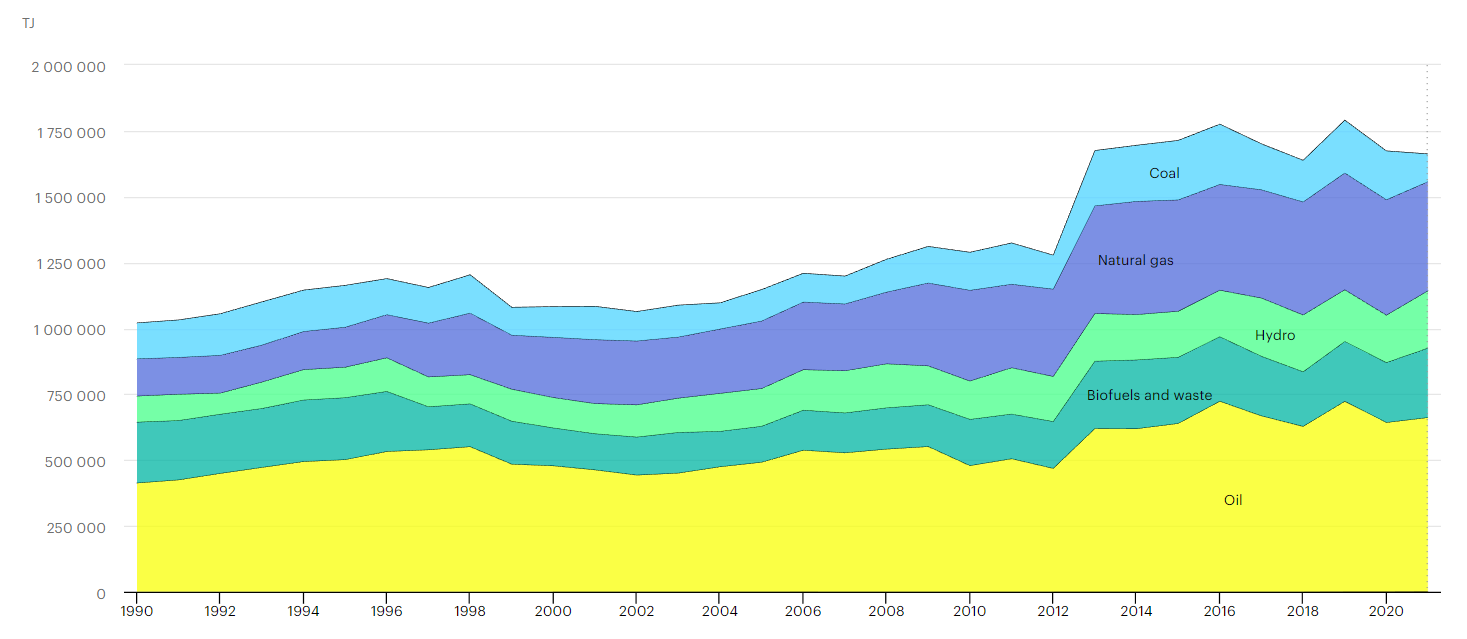
  • Interviews

    LatinNews 23 July 2019 Hits: 403

    In this section we feature highlights of interviews with three experts in indigenous politics: Dr Roberta Rice (RR), associate professor in political science at the University of Calgary; Dr Natividad Gutierrez Chong (NGC), a sociologist at the Universidad Nacional Autónoma de México; and Manuel Martinez Espinosa (MME), a political scientist at the Universidad de Ciencias y Artes de Chiapas. Responses have been edited for length and clarity.

    Why do indigenous groups struggle for representation?

    MME: The conquest and colonisation of Latin America is the biggest determining factor in the history of indigenous groups. Due to this process, communities that were disparate before the arrival of the Europeans were unified (due to their condition of being colonised), and the previous social order was destroyed in order to form a new one in which indigenous groups were given social status, a political role, an economic function, and a juridical category. Despite countries becoming independent, their situation did not improve. In fact, there are even cases where conditions worsened for indigenous groups.

    RR: Modern nation states were built in opposition to or against indigenous people. Officials couldn’t wish away indigenous people, so they just built nation states as if they didn’t exist. They have incredibly weak institutions because they only reflect a small percentage of the population, and they are clientelist and elitist. It really doesn’t serve any interest other than a small ruling minority. There was no space to even talk about indigenous rights until recently, really until the 1990s when indigenous people actually mobilised as indigenous people.

    How has the situation for indigenous people changed in recent years?

    RR: Since 2017 we have more countries shifting to the Right, like Brazil. You actually have a lot more unfriendly governments to indigenous people. We’re going to see an uptick in indigenous protests because governments are really clamping down on indigenous rights and indigenous initiatives.

    During the left turn there was a nice synergy between governments and indigenous movements. Now governments have shifted, and indigenous people are almost a target of a backlash against indigenous rights.

    How are international conventions on indigenous rights influencing resistance to extractive projects?

    RR: In Peru, groups in the highlands haven’t traditionally mobilised around their indigenous identity, but in response to extractive industry and international rights like the UN declaration there are groups that are reclaiming their identity as a way to protect their lands and territories. It’s politicising indigenous identity in places where it wasn’t before. More people are embracing their indigenous identity.

    It’s the same trend around the globe. Where there are extractive industries you have all these groups claiming their indigenous identity, even in Asia and Africa. There is no definition of indigeneity, it’s about self-identification.

    Can international conventions on indigenous rights be enforced in a region where the rule of law is generally weak?

    RR: Even in Bolivia where you have an indigenous president and an amazing constitution and laws, they fall short. Only when indigenous movements mobilise around specific projects does the government actually make legislation. That’s what it really takes: mobilising.

    Is protest more effective than being inside the political system?

    RR: I think you need both. You need some leverage inside congress and people protesting on the outside. I don’t think it’s a choice between protesting or proposal making but combining them together.

    The Zapatistas have their own distinct model where they turn their backs on the government, but when officials changed the terms of the San Andrés Accords there was no one there in congress to say “hey, this is not what was agreed upon”. They had no voice inside the system, so you need both.

    The problem in Chiapas, where Zapatistas told their supporters not to vote in elections, is then you get very conservative governments who are anti-indigenous. That doesn’t really help their cause because this sort of de facto autonomy is not legal, and if you have an anti-indigenous regime in power it can really target their land and territory.

    What is the role of women in indigenous political movements?

    RR: Indigenous women are becoming much more of a priority in the region, much more vocal. We had the indigenous candidate in Mexico and recently in Guatemala as well, and there are a lot more studies on the role of indigenous women. They seem to be an important voice for change on the front lines of social movements, and now they’re entering electoral politics. That's a very important trend.

    What conditions are conducive to strong indigenous movements?

    RR: Ironically it is sometimes a blessing when you have weak institutions because social movements can have more space to organise and pressure the government. If you take a case like Chile, where the state is strong and has a lot of resources, the government treats the Mapuche as terrorists for defending their forests and lands. It’s sometimes harder because they’re fighting a strong state. There’s a lot more repression going on in Chile than countries like Ecuador or Bolivia, where you have a weak state and strong indigenous movements. In Chile it’s hard to start a party because existing parties are so strong they take the main indigenous candidates, but in Bolivia the parties are so weak it’s so much easier to start a party.

    What influence do historic patterns of incorporation have on contemporary indigenous politics?

    RR: The historical prevalence of populist parties or Marxist parties really shapes the trajectory of a country. Peru (note: it has a weak indigenous political movement) has a very strong Marxist history, and Marxists organise along class lines and downplay ethnicity as dividing the struggle. It makes it much harder to organise as indigenous people rather than as workers and peasants. Bolivia and Ecuador (note: they have strong indigenous political movements) had a weak leftist Marxist movement, there were more populist parties, so there was more space to articulate indigenous identity.

    Are indigenous political movements a positive or a negative for democratic nation states?

    RR: The reason why nation states are so weak is because they are in opposition to indigenous peoples. Bringing indigenous political movements into the system can strengthen democracy and even strengthen the state by making it much more inclusive. They’re working within the system: they’re voting, they’re forming parties. They’re trying to reinvigorate democracy, which is something that shouldn’t be feared but championed.

    What is plurinational constitutionalism?

    RR: It’s about indigenous autonomy within the state. Bolivia and Ecuador have constitutions that say they are plurinational states, it shows that indigenous peoples are a nation within the nation state, not just an ethnic minority. It’s a watershed moment. For indigenous groups it’s not about vengeance, it’s about moving together forward, being recognised as equal partners, as sovereign bodies within this nation state.

    What comes next?

    NGC: The situation for indigenous peoples in Latin America is not good, but visibility is better than ten years ago. I tend to be optimistic; things are better than before. Indigenous identities have suffered a lot, but it is interesting to see they are rising again. However, I think that racism will increase as indigenous people gain positions of power and visibility and other people feel threatened.

  • Reasons for caution, even pessimism

    Patrick de Courcy 24 August 2022 Hits: 1317

    A striking feature of the plan for “total peace” and an important cause for caution, and even for pessimism, is that it is extremely ambitious and forms a sub-set of a wider programme of government which is also highly ambitious. There is therefore a real danger of overstretch. As previously mentioned, it took the government of Juan Manuel Santos (2010-2018) more than four years to negotiate a politically difficult peace settlement, with only one armed group, the Farc, which was then followed by another six years (2016-2022) of a difficult and partial implementation process. During the stops and starts of that long drawn out process, levels of violence dipped but then came back up. Although it hasn’t made hard-and-fast promises on the time scale, the new Petro government appears to be aiming to sign peace deals with two major rebel groups, the ELN and the Clan del Golfo/AGC , and a multitude of smaller regional groups including Farc dissidents and various criminal gangs, within a four-year presidential term that runs from 2022 to 2026.

    Put bluntly, a multitude of things may go wrong. The government’s negotiating teams will come under time and resource pressures as they attempt to manage parallel talks. Almost certainly the different rebel groups will each want to negotiate tailor-made deals. While some flexibility may be achievable, considerations of equity and fairness mean that the government will come under intense popular pressure not to grant to one group what it may seek to deny to another. That would suggest that the ultimate objective is some kind of common over-arching peace agreement, with international monitoring and uniform treatment of transitional justice, criminal responsibilities, and crimes against humanity. While that could ultimately offer a way forward, securing agreement from very disparate political and criminal groups will be a major challenge. Individual groups may be tempted to take intransigent positions to gain advantage over rivals and exert leverage over the entire negotiating process. From previous experience as many as 10-15% of rebel fighters may refuse to lay down their arms and seek to move in on drug cultivation and trafficking routes abandoned by their former comrades-in-arms.

    Complicating matters is that the peace process depends at least in part on the success of Petro’s wider programme of government. A special report by local consultancy Colombia Risk Analysis says that, apart from pursuing peace, the new president’s wider aims include increasing economic productivity and transitioning to a less carbon-intensive and more-diverse and sustainable economy. It notes that “Petro’s governance style, the composition of his cabinet, and his relationship with congress will be influential, at times even determining how expansive Petro’s ambitions can realistically be.”  On top of these aims the new president is looking to “mend relations with estranged neighbour Venezuela, bolster the energy transition and renewables sector, wean the country off the extractive sector, address unforeseen food insecurity and poverty, and promote rural development and interconnectivity”.

    Colombia Risk Analysis takes the view that the new government will fail to meet some of its early objectives. Tax and pension reforms, one of the top priorities, are likely to meet opposition in congress. The promised move to replace fossil fuels with more sustainable energy, banning new oil exploration and fracking, is also likely to run up against economic difficulties, since Colombia is so dependent on oil and coal exports, likely forcing some backtracking on campaign promises. Land reform is also likely to run into a degree of resistance from commercial farmers and established elites. The promised move to universal health provision is also likely to generate private-sector resistance. In a variety of ways, difficulties on these fronts could complicate the peace process. One example: the lesson from the 2016 Farc agreement is that the state needs to invest in former conflict areas to ensure provision of basic infrastructure, health, medicine, and education services. If congress dilutes tax reform, the state will lack the resources to make these investments, which are critical to the success of the peace process.

    These are not the only obstacles to the desired ‘total peace’. Below, we briefly discuss three major challenges to a comprehensive peace settlement in Colombia. They are first, the role of the army and police, second Colombia’s relationship with neighbouring Venezuela, and third global trends in consumption and demand for illicit drugs.

    Up and down: deaths caused by political violence in Colombia
    12-month rolling total

    Source: CERA

  • Other issues surrounding water

    Patrick de Courcy 14 January 2025 Hits: 2319

    It is hard to overstate the importance of water and the role it plays in many of the key issues facing Latin America today.

    Take the persistent gap in access to safe water and sanitation services: Although the region has made significant strides in improving access, there are still 166m people without safe water and 443m without safe sanitation, according to the World Bank. This feeds into growing concerns over the proliferation of mosquito-borne diseases such as malaria, dengue fever, and chikungunya, which have seen an increasing number of cases in a larger geographical area in recent years. While this can be partly explained by increasing temperatures due to climate change, a lack of mains water connections in the region’s informal urban settlements also plays a role.

    Without access to running water, people tend to store supplies in open containers such as buckets, providing the perfect breeding ground for mosquitoes that then transmit disease. A lack of sewage connections adds to the problem, as inadequate waste disposal methods leave stagnant pools where mosquitoes can also lay eggs. 

    Untreated waste also finds its way into water sources, impacting water quality and increasing the risk of health issues such as cholera. This is also true of the mercury used by illegal gold miners, which has been linked to the increasing prevalence of birth defects and neurodevelopment problems in children from villages in the Brazilian Amazon. As a result, the provision of water infrastructure should be considered a public health issue. 

    One leading example is Paraguay, which closed gaps in water access in the two decades from 2000-2020 and now has almost universal access, as shown in Figure 9. This was the result of efforts to improve water governance using new legal frameworks, boosting state capacity and updated models of engagement with local communities, according to the United Nations Development Programme.

    Figure 9. Share of Paraguayan population with access to at least basic drinking water services (%)

    Source: UNDP using data from WHO/UNICEF Joint Monitoring Programme for Water Supply, Sanitation and Hygiene

    Inadequate infrastructure also leads to inequities in access to water. In Mexico City, for example, residents of wealthier neighbourhoods can build large water storage systems which they can draw on when supplies are restricted. However poorer households are forced to rely on deliveries from tanker trucks, which increase their prices during periods of high demand. As a result, poorer households spend a higher proportion of their income on securing access to water, leaving less money for other necessities such as food.

    Groundwater is also being overexploited, depleting subterranean aquifers. The effects of this overexploitation are not fully understood in many cases, but in Mexico City the effects are clear to see: the city is sinking at a rate of multiple inches per year in some areas, among the fastest subsidence rates in the world. This increases the risk of structural damage to buildings, as well as the likelihood of broken water pipes, wasting water and further increasing pressure on supplies. In the Chilean capital Santiago, the depletion of subterranean aquifers increases the risk of subsidence and landslides as the city is in one of the most seismically active subduction zones in the world.

    Overexploitation also contributes to declining water quality, which means that remaining resources have to be treated more harshly to remove sediment and pollutants in order to make them fit for human consumption. Poorer quality water is more expensive to treat as it requires more purifying chemicals and more electricity to operate treatment plants.

    In other parts of the region, a lack of access to water drives people to leave their homes altogether. In Central America’s Dry Corridor, a belt of arid land that includes parts of Guatemala, El Salvador, Honduras, Nicaragua, and Costa Rica, persistent drought has encouraged people to migrate, both to nearby urban centres and north to the US. Many of those that remain are subsistence farmers that rely on rain to water staple crops such as beans and basic grains, and they face decreased food security and higher rates of malnutrition as agricultural output falls.

    Water issues also increase the risk of conflict between local communities and nation states that share the management of lakes and rivers. One example is Lake Titicaca, whose watershed is managed by both Peru and Bolivia. Declining water levels at the lake mean that existing cooperation and management systems need to be updated and strengthened in order to better deal with shared issues and prevent tensions from increasing. 

    The region is also home to several major shared river basins, including the Amazon and the Rio de la Plata basin, which includes the Paraná, Paraguay, and Uruguay rivers and covers parts of Argentina, Brazil, Paraguay, Uruguay, and southeastern Bolivia. Mexico and the US also share the Rio Grande, which forms part of the border between the two countries, running from Ciudad Juárez, Chihuahua state, to the Gulf of Mexico.

    Increasing pressure on water supplies ramps up competition for resources as well as tensions linked to their equitable distribution, such as the renegotiation of water allocations for hydroelectric dams that impact irrigation systems downstream. 

    One example is the Paraná river. Landlocked Paraguay needs the river to remain navigable, Brazil prioritises electricity generation, and Argentina uses it for water consumption, competing interests that can lead to tensions. Human activity such as the building of dams and the development of industries such as agriculture, as well as population growth in towns and cities along the river, have increased these issues. 

    Dealing with transboundary water management requires strong cooperation and a long-term strategic approach that can be difficult for politicians concerned about public perceptions around national sovereignty or the impact of negotiations in electoral cycles. 

    There is also little incentive to commit significant resources to projects whose impacts may not be appreciated until long after a government has left office. This has led to a lack of long-term planning in much of the region and left officials reliant on emergency measures, increasing the cost to the public purse and in many cases not dealing with the root causes. 

    At the same time, executing necessary projects such as building new reservoirs and aqueducts or investing in water distribution systems, is both expensive and politically difficult with public budgets stretched in many parts of the region.