EL SALVADOR: “Fabulous four” triumph
|

|
Panama’s President Juan Carlos Varela recently named his choices for attorney general, comptroller general as well as anti-corruption tsar. The appointments have attracted particular scrutiny given Varela’s declared pledge upon taking office in July 2014 to crack down on official corruption. The issue remains very much in the spotlight given the unprecedented anti-corruption protests held in November 2014.
On 2 December 2014 President Varela named a lawyer, Kenia Porcell, as Panama’s new attorney general for a ten-year term. Porcell, who was ratified two days later by the 71-member unicameral legislature, has held various posts in the attorney general’s office. Most recently she served as general sub-secretary (2005-2010) under Ana Matilde Gómez, who was ejected in January 2010 by the previous Cambio Democrático (CD) government led by Ricardo Martinelli (2009-2014) for 'abuse of authority'. At the time Gómez’s alignment with the opposition Partido Revolucionario Democrático (PRD) gave rise to suspicion that her removal was politically motivated and Porcell had stepped down following Gómez’s departure. Gómez went on to be elected as an independent deputy in the May 2014 general elections. Yet the process by which Varela chose Porcell was criticised by civil society organisations like the Alianza Ciudadana Pro Justicia, which grumbled about weak transparency and a lack of consultation.
Porcell’s appointment came less than a week after that of Federico Humbert Arias, a local businessman, as Panama’s new comptroller general. A former director (2002-2004) of national daily, La Prensa, Humbert, who was ratified by the legislature on 26 November 2014, as Panama’s ambassador to the US under the Martín Torrijos administration (PRD, 2004-2009). However, Humbert threw his weight behind Varela during last year’s electoral campaign. Humbert’s deputy will be Nitzia de Villarreal, a former trade minister under the Ernesto Pérez Balladares government (PRD, 1994-1999).
The other key post filled by President Varela was that of Angélica Maytín, who on 11 November was appointed to head up the government’s anti-corruption agency, Autoridad Nacional de Transparencia y Acceso a la Información (Antai), for a five-year term. The choice of Maytín was generally well received – she was the executive president of the local branch of international NGO, Transparency International (TI) at the time of her appointment.
Public outrage
The process of filling the appointments came under close scrutiny given the current public outrage over corruption. On 23 November some 2,000 people took to the streets of the capital and around the country in protest at various corruption scandals involving former government officials. The local media noted that the anti-corruption demos were unprecedented since Panama’s return to democracy in 1990.
The most high-profile alleged corruption case involves the government’s social fund (PAN), which is currently being audited [RC-14-10]. Two former PAN directors have so far been arrested - Rafael Guardia Jaén (2012-2014), who was detained on 17 November and Giacomo Tamburelli (2009-2012), who was placed under house arrest on 15 December.
Besides Guardia and Tamburelli, other former Cambio Democrático (CD) government officials currently being investigated for alleged corruption include former ministers of education (Lucy Molinar, 2009-2014), social development (Guillermo Ferrufino, 2009-2014) and small and medium-sized enterprises (SMEs, Giselle Burillo, 2009-2013).
Meanwhile, the investigation continues into another former close Martinelli ally – former supreme court justice, Alejandro Moncada Luna, who was suspended in October by the national assembly so that he could be investigated for alleged corruption [RC-14-11].
On 21 December six elections for national legislative seats were held in various districts across the country. These were the final pending contests to be held after the electoral court (TE) admitted appeals against eleven legislative results from the May 2014 general elections, ten of which had gone to the now opposition Cambio Democrático (CD). The latest elections mainly proved damaging for the CD which saw its presence in the 71-member unicameral legislature reduced to 25 seats (down from 30 initially won in May). The opposition Partido Revolucionario Democrático (PRD) now has 26 seats (up from 25) and the El Pueblo Primero (EPP) coalition (led by President Juan Carlos Varela’s Partido Panameñista, PPA) has 17 (up from 13). This gives the EPP and the PRD, which currently have a legislative pact, a combined majority of 43 seats.
On 9 July the Panamanian government confirmed that the country had been removed from the European Union (EU)’s list of countries with strategic deficiencies in their anti-money laundering (AML) and counter-terrorist financing (CFT) frameworks.
President José Raúl Mulino hailed the EU decision, saying that he was “pleased” that the country had been removed from the list of high-risk jurisdictions. Mulino said that the development had required “a titanic effort” from officials, and that every effort would be taken to prevent Panama from being re-added to the list. Panama had been on the EU list since October 2020, remaining in place despite the fact that the Financial Action Task Force (FATF) of the Organisation for Economic Co-operation and Development (OECD) removed the country from its own list in October 2023. The EU cited deficiencies such as a lack of transparency around beneficial ownership for its decision, but the European Commission has now concluded that these deficiencies have been dealt with.
In a statement, Panama’s economy and finance ministry (Mef) highlighted various positive effects of leaving the list, including a strengthening of its reputation and international image; improved investor confidence and investment climate; facilities for carrying out financial and trade transactions with European entities without additional due diligence measures; a boost to Panama’s competitivity as a financial and logistical centre; and the facilitation of imports and exports, boosting the country’s trade and economy.
Also in a boost for the government, on 3 July, international credit ratings agency Moody’s confirmed that it had classified Panama’s sovereign risk rating at Baa3, maintaining its investment grade status. Although the firm said that the outlook remains negative due to fiscal challenges, it also recognised its economic resilience and efforts in maintaining macroeconomic stability. There had been concern within Panama that the country would lose its investment grade status, making it more expensive to borrow money on international markets in order to finance spending priorities.
These developments were hailed by Panama’s main business lobby Cámara de Comercio, Industrias y Agricultura de Panamá (CCIAP), which said that the Moody’s and EU decisions demonstrated that Panama had made progress in transparency and competitiveness. CCIAP President Juan Alberto Arias said that these demonstrations of trust from the international community can have a direct impact on the lives of ordinary Panamanians. “When the world trusts Panama, we all win,” Arias wrote in his regular column published by the CCIAP.
A stronger international reputation will help attract foreign direct investment, reduce trade barriers and facilitate access to credit, according to Arias, helping to unlock the country’s potential. “Panama has everything it needs to compete at the highest level: a privileged geographic location, human talent, and an economy with the potential for sustainable growth,” wrote Arias, who nonetheless emphasised that continued efforts will be needed to prevent Panama’s inclusion on the EU and FATF lists in future.
Date: By October 2026
Type: General Election
Main contenders: The Progressive Liberal Party (PLP) led by Prime Minister Philip ‘Brave’ Davis, the Free National Movement (FNM) led by Michael Pintard, and the Coalition of Independents (COI) led by Lincoln Bain.
In 2021, the FNM government, led by then-prime minister Hubert Minnis, went to the polls eight months before it needed to and suffered a resounding 32-7 defeat in the 39-seat House of Assembly (now increased to 41 seats). The PLP doesn’t look as if it is going to take the same gamble in its search for a second consecutive term. And while in recent years The Bahamian electorate has shown itself to be fickle in its allegiances, given that it is as far back as March 1997 that a Bahamian government, the FNM under Hubert Ingraham, was granted a second term, the PLP will be hoping for a return to earlier times when it won six elections in a row from 1967-1992.
The FNM’s decision to call the election early in 2021 may have been a self-inflicted wound, but it could not be blamed for the effects of Hurricane Dorian in September 2019 and then the coronavirus (Covid-19) pandemic in 2020 leading to a 14.5% contraction in the tourism-dependent economy. On the other hand, the electorate could and did blame the FNM government for its decision in 2018 to increase value-added tax (VAT) from 7.5% to 12%.
The incoming Davis administration partly reversed this increase (dropping the rate to 10%). However, it also increased VAT on food from zero to 10% before dropping it back to 5% in 2025. Now, with an election looming, Davis has announced that VAT on food will be reduced to zero from 1 April. Interestingly, though, in its December 2025 Article IV Mission Concluding Statement, the IMF urged the government to raise VAT to 15% to help achieve the goal of reducing the debt-to-GDP ratio to 50% by FY2030/31. It currently stands at 74%.
The PLP goes into election year with the economy in reasonably good shape, with projected growth for 2025 of 2.8% on the back of a 3.4% expansion in 2024. Unemployment dropped to 8.4% in 2024, although it edged up to 9.5% in 2025. Inflation is just 0.6%, down from an average 3.1% in 2023.
Davis has already indicated that one of his main themes during the election campaign will be to question opposition leader Michael Pintard’s suitability for the role of prime minister, saying: “I have a simple question [for Michael Pintard]. What real job has he ever had? What has he ever built? What has he ever managed outside of press conferences and political complaints?”
International bankers expect Colombia to be one of the region’s biggest international borrowers in 2012. This follows a big jump in the country’s debt issuance in 2011 when it increased debt issuance by 150% to US$4.3bn. Colombia’s use of international markets far outstripped the 24% increase in foreign borrowing by Brazil and drops in debt issuance from Mexico, Chile and Peru.
What is interesting is that the increase in Colombia’s issuance has not led to a rise in yields. Indeed the average Colombian corporate bond now yields 5.32% down from over 6% at the beginning of 2010.
Grupo Aval Acciones y Valores SA, Colombia’s biggest banking group by assets, said in a recent regulatory filing that it is contemplating an international issue. Another likely borrower is the state-run power producer Isagen, which said in August 2011 that that it may sell as much as US$500m of bonds abroad. Banco Davivienda SA, Colombia’s third-largest bank, has also said that it expects to sell up to US$350m overseas.
Colombia was restored to investment grade (BBB) by Standard & Poor’s in March 2011 and the other two big international credit rating agencies, Moody’s Investors and Fitch followed suit in May and June respectively.
The Colombian government itself sold US$1.5bn of debt on 10 January 2012 at the cheapest price ever. The 30 year paper was priced to yield 4.96%. According to the finance ministry, investors actually made bids for US$3.6bn worth of paper. The ministry said that 165 institutional investors from around the world bought the debt.
Foreign direct investment in Colombia jumped to US$10.8bn in the first nine months of 2011. This was more than for any full year since 1994 when there were some hefty oil investments. The government noted that 60% of the FDI in 2011 went into oil and mining.
One reason why Colombian companies are borrowing more internationally is that the central bank has been pushing up local interest rates to keep inflation under control. It raised interest rates by 0.25 of a percentage point in November 2011 to 4.75%. The consensus amongst local economists is that interest rates will hit 5.5% by end 2012.
Investment Banks: The Emerging Market Eurobond Bookrunner League Table for 2011 was based on the issuance of US$290bn of Eurobonds. The figure was down from US$319bn in 2010. Bond issuance picked up in the final quarter of 2011 when US$61bn in emerging market debt was issued, including US$21bn from Latin American borrowers. Deutsche Bank arranged most Latin American deals in 2011 with US$13.6bn in bonds and a market share of 14.12%, retaining its position compared to 2010. Citigroup (US$10.6bn and 11.03%) rose to the second place from the third in 2010, relegating JP Morgan to that position in 2011 with deals worth US$10.1bn and a 10.50% market share.
Argentina: Mendoza province plans to sell Arg$1.2bn (US$280m) in bonds in the second quarter, Finance Minister Marcelo Costa said in early January. The bonds may be sold in local or global markets. Costa and the provincial governor, Francisco Pérez, plan to visit New York in February to discuss the sale with potential investors. Argentine provinces have been reasonably active users of the international capital markets even though the federal government has been barred from the international capital markets since its effective default in 2001.
Días después de un serio brote de saqueos en ciudades a través del país, Argentina ha experimentado una ola de calor que produjo el colapso de su red de energía, dejando a miles sin energía y sin agua. Manifestantes furiosos salieron a protestar a las calles en Buenos Aires, con muchos comercios exigiendo compensaciones por los productos dañados. La respuesta del gobierno no ha inspirado mucha confianza, incluso entre sus propios partidarios. “Cuando la temperatura llega a los 32 grados, podemos esperar que se sufrirán apagones”, dijo a la prensa el jefe de gabinete, Jorge Capitanich. Además de las altas temperaturas, la administración ha atribuido los apagones a un mayor nivel de actividad industrial y a un incrementado uso de unidades de aire acondicionado y otros aparatos de enfriamiento en los hogares.
Capitanich fue forzado a clarificar sus comentarios, que parecían exigir que las compañías de energía consideren “apagones programados”, algo que fue tratado por última vez durante la administración del ex presidente Raúl Alfonsín (1983-1989). Capitanich dijo que lo que realmente quería decir era que ellas debían considerar “apagones preventivos” en los cuales cortes de corta duración en el servicio en momentos de baja demanda, podría impedir problemas más significativos en momentos de alta demanda. Pero él también trató de cargarle la culpa a las mismas compañías de energía, diciendo que él “no era el vocero de Edenor y Edesur”, las compañías proveedoras de la capital. Bochornosamente, también admitió no estar al tanto de que Uruguay, pese a las tensas relaciones comerciales, estaba proveyendo todo su excedente de energía a Argentina.
El alcalde opositor de la ciudad de Buenos Aires, Mauricio Macri, alegó que las mal orientadas políticas de energía del gobierno eran responsables por las falencias de la red nacional de la energía, y anunció que enviaría a la legislatura de la ciudad una propuesta para que en cada edificio de más de seis pisos tenga un generador de electricidad, a fin de mantener funcionando los ascensores y las bombas de agua.
Presiones salariales
En un intento por controlar el malestar que ha estado bullendo desde una huelga policial en demanda de salarios más altos, condujo a los brotes generalizados de desorden público, Capitanich también anunció esta semana un congelamiento de los precios de 187 productos básicos. Es poco probable que esto amaine el viento en las velas de los dirigentes sindicales, quienes buscan masivos aumentos salariales en consonancia con aquellos otorgados a las fuerzas policiales provinciales durante las últimas semanas.
A fin de lograr que la policía se incorpore a sus tareas y ponga freno a los saqueos, los gobiernos provinciales acordaron considerables aumentos salariales, de hasta el 33%. El gobierno también ha elaborado un proyecto de ley que hace que los policías que abandonen sus puestos de trabajo estén sujetos a sentencias penales de hasta ocho años de prisión. Pero otros empleados del sector público han tomado nota del éxito de la policía. El 15 de diciembre, Julio Fuentes, el presidente de la Asociación de Trabajadores del Estado (ATE), el principal sindicato de los trabajadores estatales de Argentina, dijo que él tomaría este acuerdo como punto de partida para las negociaciones salariales. “La educación y la salud son tan importantes como la seguridad”, dijo.
Milani obtiene la aprobación del senado
El 18 de diciembre, César Milani fue aprobado como el nuevo comandante del ejército de Argentina, por 39 votos a 30 en el senado. La promoción se produce a pesar de la oposición de algunas organizaciones de derechos humanos, preocupadas acerca de su récord durante la dictadura militar. A comienzos de este año, emergió que en 1976 Milani firmó un documento afirmando que un conscripto del ejército había desertado, cuando en realidad había sido forzosamente desaparecido.
El senado también aprobó a Gastón Erice como el nuevo comandante de la armada; Mario Callejo, como comandante de la fuerza aérea; y Luis María Carena como comandante del estado mayor conjunto. Siguiendo a la promoción de los jefes militares, el senado también votó el ingreso de cuatro nuevos directores del banco central, y aprobó el nombramiento del ex ministro de economía, Hernán Lorenzino, como nuevo embajador de Argentina ante la Unión Europea.
Luego de un excitante clímax de la temporada de fútbol en Argentina, en la cual cuatro equipos tenían esperanzas de quedarse con el título en el su último fin de semana, el equipo del Papa, San Lorenzo de Almagro, triunfó. Un pequeño grupo de técnicos y jugadores del equipo viajaron hasta el Vaticano a comienzos de esta semana para presentar al Papa Francisco una réplica del trofeo y una camiseta del club con la leyenda “Francisco Campeón” escrito en la espalda. Francisco confirmó al grupo que él haría su primer viaje como pontífice a Argentina en el 2016.
President Juan Carlos Varela’s anti-corruption drive in Panama has mainly targeted his predecessor, former president Ricardo Martinelli (Cambio Democrático [CD] 2009-2014) – until now. The emergence of a fresh corruption scandal involving the hiring of a company, Cobranzas del Istmo, under the previous CD government is raising some uncomfortable questions for the current Partido Panameñista (PPA) - led El Pueblo Primero (EPP) coalition government – and President Varela’s own family and ministers.
On 27 May Martinelli’s lawyer, Sidney Sittón, alleged that Varela’s brother, José Luis Varela, a PPA deputy and Benicio Robinson of the opposition Partido Revolucionario Democrático (PRD), had received US$1m each from Cobranzas del Istmo, a company hired by the CD administration to collect past due taxes. According to local media, the company charged inflated commissions – allegedly costing the State some US$47m – of which Cristóbal Salerno, the company’s owner, returned US$20m on 1 June. Salerno was arrested on 21 May while the ex head of the tax authority, Luis Cucalón (2013-2014), was arrested on 26 May. Salerno claimed to have given Cucalón US$5.8m, which the latter said was a personal loan. Salerno said that his company – whose contract with the government was suspended in January 2015 by the supreme court (CSJ) - was paying Martinelli US$200,000 a month in kickbacks.
While José Luis Varela has dismissed the latest claims as efforts to distract from the current investigation into alleged corruption which took place in the government social fund (PAN) under Martinelli [RC-15-05]- there are growing calls for Economy Minister Dulcidio de la Guardia to step down over alleged irregular payments to Cobranzas del Istmo worth some US$7m. These calls have come from prominent civil society leaders like Magaly Castillo of the NGO Alianza Ciudadana Pro Justicia.
Another key Martinelli ally implicated
This month Felipe ‘Pipo’ Virzi, a former second vice-president under the Ernesto Pérez Balladares government (PRD, 1994-1999) became the latest member of Martinelli’s inner circle to face corruption charges. Virzi is accused of receiving US$10m from an Ecuadorean firm, Hidalgo & Hidalgo, which won a US$115m contract from the CD government in 2012 to build an irrigation system in Tonosí municipality, Los Santos province. The company received US$37m in funding for the scheme from the government, but the project has never materialised.
Virzi’s name already came up in relation to corruption allegations surrounding a former CSJ president, Alejandro Moncada (2012-2013), who in March received a five-year prison sentence for falsifying documents and illicit enrichment [RC-14-11]. As part of the investigations, Moncada claimed that he had borrowed US$700,000 from Virzi but said there was nothing odd about this loan, as Virzi had lent money to “many”, including companies like Martinelli’s Super 99 supermarket chain and President Varela’s liquor company, Varela Hermanos.
The announcement by Metro de Panama S.A regarding its decision to award the contract for the second line of the metro to Consorcio Línea 2 came just after Panama's public contracting department (DGCP) confirmed that it was rejecting a complaint submitted by the PANAMetro consortium alleging procedural errors due to the fact that at least two members of the evaluation committee – Óscar Ramírez, the dean of the Universidad Tecnológica de Panamá and Agustin Arías, an engineer- had links to Odebrecht. According to the local press Ramírez and Arías served as consultants to Odebrecht between 2009-2012 and in 2009, respectively.
BRAZIL | Rate hike cycle continues. The monetary policy committee (Copom) of Brazil’s central bank (BCB) decided to raise the country’s benchmark interest rate (Selic) from 14.75% to 15.00% after a meeting from 17-18 June. This is the seventh consecutive meeting in which the Copom has decided to increase the Selic, continuing the rate hike cycle that began in September 2024.
Ahead of the latest Copom meeting, there was speculation in the press about whether the rate hikes would continue or if the Selic would be held at 14.75%, given that inflation has been decelerating in recent months. However, the Copom opted for a more hawkish stance by raising the Selic to its highest level since July 2006. In a statement released on 18 June, the Copom suggested that the rate hike cycle could be interrupted and that interest rates could be held at the current level for a “prolonged” period, but there was no hint of when the Selic could be lowered again.
The latest rate hike appears to have surprised many private sector economists and analysts consulted by the BCB. In the latest edition of the Focus bulletin, a weekly survey of market analysts, experts predicted that the Selic would remain at 14.75% for the rest of this year. The bulletin also showed an annual inflation forecast of 5.25% for 2025, down from the 5.44% projection in the previous week’s bulletin and the 5.50% forecast one month earlier.
PARAGUAY | Encouraging economic news. The ratings agency, Moody’s, upgraded Paraguay’s sovereign bond ratings last week from Ba3 to Ba2 with a positive outlook citing an improvement in the public finances, increased political stability and the approval of significant economic reforms in the past few months. According to Moody’s, since President Horacio Cartes took office in August last year, Paraguay’s debt has fallen from an average of 18% of GDP between 2003 and 2012 to 12.7% in 2013. Moody’s said that this was largely the result of the new government’s smooth transition into power and the approval of a number of economic measures by the new congress such as the law of fiscal responsibility and a new public-private partnership law.
The upgrade by Moody’s came less than a week after another ratings agency, Fitch, also upgraded its rating of Paraguay’s bonds from BB- with a stable outlook to BB- with a positive outlook on 31 January. Besides also citing the newly approved economic measures as the basis for its decision, Fitch also highlighted the country’s economic growth momentum, pointing out that it posted an enviable growth rate of 13.6% last year and that official growth forecasts for this year, of around 5%, were “attainable”.
Before all this, there was another piece of highly encouraging news for the Paraguayan economy when, on 26 January, the London-listed oil firm, President Energy, revealed that an independent audit of three of its concessions in the Pirity field, located in Paraguay’s Chaco region, had confirmed the existence of potential oil reserves of 1bn barrels. This is much higher than the 150m barrels of possible reserves previously cited by Paraguay’s public works ministry.
Paraguay does not currently produce any oil and although in recent years a number of different firms have been prospecting for oil, drilling 49 wells (43 of them in the Chaco), until now none of them have been found to have commercially viable levels of reserves.
URUGUAY | Continued resistance to Aratirí. On 10 February hundreds of environmental activists demonstrated in Uruguay’s capital, Montevideo, in rejection of the imminent signing of an agreement between the Uruguayan government and the mining firm, Zamin Ferrous, which would allow the firm to excavate an open-pit iron ore mine on the borders of Durazno, Florida and Treinta y Tres departments, in the centre of the country.
The controversial US$3bn Aratirí mining project has been in the pipeline since 2011, when the government led by President José Mujica first announced the plans, which involve the exploitation of a 6,210 hectare plot, a 212km mining duct and a new port on the Atlantic. However, the project has been rejected by the local community, environmental groups, and the political opposition, all of which expressed concerns about the negative environmental impact that such a large mining project would have in an area of the country that is traditionally dependent on agriculture. Concern surrounding the project was such that it forced the Mujica administration to suspend it temporarily until it got new legislation regulating large-scale mining operations in the country approved in congress. This new legislation was approved in September 2013.
The government argues that the new legislation provides sufficient environmental safeguards and ensures that the country is appropriately compensated for the exploitation of its mineral resources. Opponents of the project remain unconvinced, however, arguing that the adoption of new legislation does not change the fact that the development of such a large project would severely impact the local environment and the lives of the local community. Germán Parula, a spokesman from the Asamblea Pachamama Uruguay environmental group, said that the development of the project in an agricultural “fertile and productive” area could produce “unacceptable [environmental] damage that cannot be in anyway compensated”.
Aratirí’s opponents are currently collecting signatures to hold a referendum on the banning of open-pit mining in Uruguay. Significantly for the campaigners, the national directorate of the opposition Partido Nacional (PN, Blancos) has said that it will back the referendum campaign. In a statement, the PN directorate expressed its rejection to the awarding of an exploitation contract to Zamin Ferrous and called on the government to “respect all the procedures in place to evaluate and approve this kind of project [...] and to guarantee that the public has access to the widest information available on an issue that is of interest to all citizens in general”.
On 6 February Chile’s national statistics institute (INE) revealed that according to its wage index, wage levels increased by 5.5% in 2013. INE said that the overall increase was driven by a 6.5% increase in the wages of employees of small-sized firms followed by medium-sized firms (6.2%) and large firms (5.2%). The result not only highlights the resilience of Chile’s domestic economy but also suggests that the economic benefits produced by its sustained growth are being transferred to the population. However, on 10 February, Universidad de Chile published a study that found that despite the constant increase in wage levels in recent years, Chile’s wealth distribution remains highly unequal, with the richest 10% of the population earning 5.6 times more than the poorest 10%.
*** BAHAMAS PLEDGES TO KEEP VAT AT 10%. The new Progressive Liberal Party (PLP) government in The Bahamas is to lower the value added tax (VAT) rate to 10% in January. In its election manifesto, the PLP promised to do this for 12 months, but now Minister of Economic Affairs Michael Halkitis has pledged to make the change permanent. Speaking on 28 October, he said: “We don’t expect to have to go back to 12% next year.” He added: “We see good demand, so we believe we can exist with 10% with a growing economy and improved revenue administration.” However, the government is to impose VAT on medicines, which are now exempt. He said: “We are going back to the model that is minimal exemptions, except for those things at a lower rate. When you take everything into the entire picture you will see a reduction in the cost of living.”
*** UNEMPLOYMENT DOWN IN JAMAICA. According to the Statistica Institute of Jamaica, unemployment dropped to 8.5% in July from 12.6% at the same time in 2020. More than 50% of the increase in employment was accounted for by the ‘Construction’ and ‘Real Estate and Other Business Services’ sectors. The number of people employed in the construction sector increased by 28.3% (26,100 workers).
BRAZIL | Current account deficit down in monthly terms. Brazil posted a current account deficit of US$5.9bn in October, the central bank (BCB) said in its latest figures for the country’s balance of payments, released on 25 November. This latest monthly deficit contrasts with the surplus of US$451m in October 2023, but it is lower than the deficits of US$6.5bn in September and US$6.6bn in August this year.
The accumulated current account deficit for the 12 months until October 2024 came to US$49.2bn (2.23% of GDP), up from US$42.8bn (1.94% of GDP) the previous month and from US$26.3bn (1.24% of GDP) in October 2023. The trade balance of goods in October this year showed a surplus of US$3.4bn, down from US$4.8bn in September and from the surplus of US$8.6bn registered in the same month last year. Foreign direct investment (FDI) totalled US$5.7bn, up from US$5.2bn in September and from US$3.1bn in October last year.
The advent of Argentina’s President Mauricio Macri to power has raised expectations of change in many areas, but none more so than foreign trade policy. Uruguay’s President Tabaré Vázquez took over as pro tempore president of the Southern Common Market (Mercosur) on 21 December making trade accords with other blocs, principally the European Union (EU), his main priority. Vázquez, who will host a meeting with Macri on 7 January, clearly feels the new Argentine president will give a fresh impetus to Mercosur on the foreign trade front. The president of Brazil’s most powerful business organisation, Federação das Indústrias do Estado de São Paulo (Fiesp), Paulo Skaf, went as far as to express his confidence that Macri could “change Mercosur and the vision of the whole continent…signifying the end of a century of interventionist governments to start a cycle of a liberal, modern and agile economy”.
“It seems that with regard to integration we’ve not reached the 21st century,” President Vázquez said during the Mercosur summit in Asunción at which the big absentee was Venezuela’s President Nicolás Maduro, who has provided just one of the obstacles to greater integration. The other big reason why presenting a united front in foreign trade talks has proved elusive has been Argentina’s trade protectionism, which has extended to contravention of Mercosur’s internal rules on free movement of goods. This will change significantly under Macri, who favours greater intra- and extra-regional trade.
On 31 December Argentina dropped its import restrictions and eliminated the contentious sworn affidavit of intention to import (DJAI) forms, which require Argentine importers to gain permission from the local customs authorities for bringing in imported goods. Uruguay’s foreign minister Rodolfo Nin Novoa expressed his hope that the elimination of the DJAI would inaugurate “a new stage in which Mercosur once again becomes what it was meant to be: a free trade zone”. He said that since the introduction of the DJAI in February 2012 Uruguayan exports to Argentina had “declined substantially”.
Former president (2006-2009) and left-wing opposition leader Manuel Zelaya has confirmed that his electoral alliance would seek to install a constituent assembly if it won the November general election. “It’s one of the points within our proposal, to rethink the constitution”, his colleague Belinda Martínez acknowledged, stressing that there would be a proper process including a prior public referendum. She expressed confidence that Hondurans would be supportive, noting that the existing 1982 constitution contains “many contradictions that allow for its constant violation”.
This may or may not have been a veiled reference to the April 2015 supreme court (CSJ) ruling to declare ‘inapplicable’, on human rights grounds, one of the ‘untouchable’ constitutional articles prohibiting presidential re-election. It was this very same article that the CSJ had previously invoked as justification for the removal of Zelaya in 2009 over his effort to hold a non-binding ‘consultation’ to ask voters if they would like a referendum to approve a constituent assembly.
President Juan Orlando Hernández is now availing himself of the 2015 ruling in a bid for a second term in November, much to the chagrin of Zelaya. Initially, Zelaya had vowed that if Hernández opted to run again then he too would also cast his hat in the ring, in protest at the supreme court ruling. The reality, however, is that Zelaya is not popular and probably unelectable. Instead, his newish leftist party, Libertad y Refundación (Libre), has joined with the traditional left-wing Partido Innovación y Unidad (Pinu) and the also-new Partido Anticorrupción (PAC) to form the Alianza de Oposición contra la Dictadura, which is fielding as its candidate the PAC leader and third placed 2013 presidential contender, Salvador Nasralla. A well-known TV personality, Nasralla is more popular than Zelaya (or his wife Xiomara Castro, who ran for Libre in 2013 and initially was touted to run again this year), and polls have indicated that he is the best-placed candidate on the Left to challenge the right-wing conservative Hernández, of the traditional Partido Nacional (PN). The other main presidential contender is former university rector Luis Zelaya, who is running for the country’s other traditional party, Partido Liberal (PL, Zelaya’s former party).
As per the Alianza’s plan, if Nasralla were to be elected in November, his government would be a mere transition administration, pending the drafting of a new constitution. Martínez was at pains to emphasise that the Alianza was not aiming for the ‘Venezuelisation’ of Honduras and was merely focused on the country’s needs. “Our policy is for Honduras, we have seen the needs of the people, this is why we are suggesting these reforms. The Honduran people are ready, and this could generate the well-being so needed here. Currently there is no work, young people only aspire to leave the country”, she noted.
However, the PN was quick to pounce, noting Zelaya’s continued alignment with Venezuela’s President Nicolás Maduro, including his strong declarations of support for Maduro’s (internationally-contested) new constituent assembly. Congress president Mauricio Oliva (PN) accused Zelaya of wanting to make the Honduran legislature “disappear” and criticised him for “more of the same”. Certainly, Zelaya appears unable to get past this permanent insistence on the need for wholesale constitutional change in Honduras. While some reform almost certainly is required, there is little indication that Hondurans themselves have any appetite for a brand-new magna carta, and there is a strong degree of rejection, not least in the powerful private business sector, towards any left-wing constituent assembly initiative.
Since last year, polls have consistently put Juan Orlando Hernández out front in the presidential race, and his re-election appears almost certain, amid economic recovery and some improvements in citizen security. The Alianza’s bid for a constituent assembly is quite likely to reinforce conservative support for Hernández, while Manuel Zelaya’s defiantly radical left-wing rhetoric may push moderate voters towards the PL instead, which offers a more conventional alternative.
MEXICO | New IMF credit line approved. On 19 November the International Monetary Fund (IMF) approved a US$50bn successor two-year flexible credit line (FCL) for Mexico, designed for crisis prevention. An IMF press release notes that this is Mexico’s ninth FCL arrangement with the IMF since 2009. The most recent of these, approved in November 2019, was for US$61bn. The IMF highlights that as with all their FCL arrangements to date, the Mexican authorities “stated their intention to treat this new arrangement as precautionary”. It adds that in recent years, Mexico “has been on a path of gradually reducing access under its FCL arrangements, and the new arrangement continues on this path”. According to the IMF, the Mexican economy is “rebounding from its deepest recession in decades, spurred by strong US growth” and rising rates of vaccination against the coronavirus (Covid-19). It notes that the authorities “have successfully maintained external, financial, and fiscal stability, despite the pandemic-related challenges”. Yet it warns that the Mexican economy remains “exposed to external risks, including from renewed waves of the Covid-19 pandemic, as well as international financial volatility, for instance, from a rise in inflation expectations in advanced economies and a corresponding faster-than-expected normalisation of their monetary policies”.
MEXICO | Record agri-food exports. On 15 November Mexico’s agriculture & rural development ministry (Sader) reported that the country’s agri-food exports totalled US$32.75bn in the first nine months of 2021, the highest figure recorded in the past 29 years. According to the same report, agri-food imports totalled US$27.34bn. Mexico’s most significant agri-food exports were beer (sales of which totalled US$4.14bn in the first nine months of 2021); followed by tequila & mezcal (US$2.38bn) and avocados (US$2.18bn).
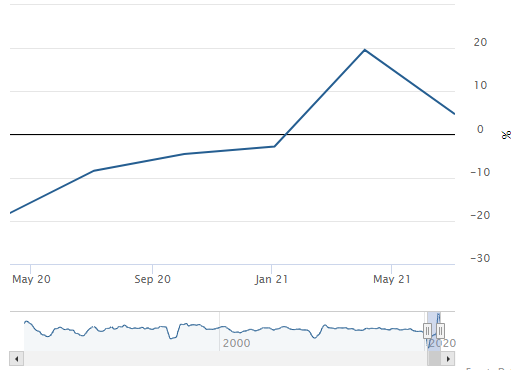
Mexico: GDP Growth
Percentage variation (year-on-year)
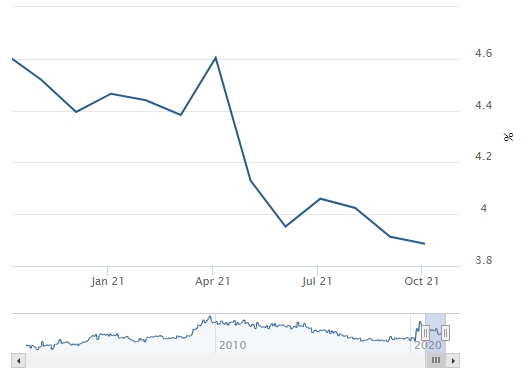
Mexico: Unemployment Rate
Economically active population
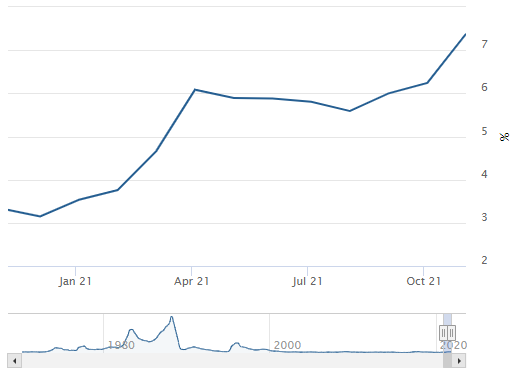
Mexico: Inflation Rate
Percentage variation (year-on-year)
CURAÇAO | New government. The ruling coalition regained a majority in legislative elections on 19 October. Elections were triggered by the resignation of prime minister Gerrit Schotte after the ruling coalition comprising his Movementu Futuro Kòrsou (MFK), Pueblo Soberano (PS) and Partido Movishon Antia Nobo (MAN) lost its majority [WR-12-38]. The coalition remained intact, albeit this time led by the PS, which received the most votes. With more than 87,000 of the 104,000 eligible voters participating - the largest voter turnout in recent history - the coalition won 12 of the 21 seats, one more than in the previous 2010 elections. Of these, the PS, which is led by the leftist Helmin Wiels, took five seats; Schotte’s MFK also took five seats; and the MAN came fifth with two seats. The biggest loser was the conservative Partido Alternativa Real (PAR), of former prime minister Emily de Jongh-Elhage (2006-2010), which saw its presence shrink to four seats from eight.
The PS is pushing for full autonomy for Curaçao, which in October 2010 became an autonomous country within the Kingdom of the Netherlands, following a popular referendum. The island’s government has full autonomy on all matters save defence and foreign affairs, while its supreme court remains in the Netherlands. The PS, which is calling for another popular referendum on full autonomy, could struggle, given the lack of support among its coalition partners.
On 18 October Honduras’s 15-member supreme court of justice (CSJ) ruled unconstitutional a legislative decree establishing ‘special development zones’ (RED) or ‘model cities’. The ruling by 13-2, followed a decision two weeks earlier by the constitutional chamber (by 4-1) that the law was unconstitutional. Because the decision was not unanimous, however, the entire CSJ had to vote on it [WR-12-40]. The court’s ruling, which was in response to more than 50 appeals, found that the decree, which was approved by congress in January 2011, would have weakened constitutional precepts relating to sovereignty, the form of government and territory.
Theoretically at least, greater control and reduction of the fentanyl business can be achieved by closer cooperation along the three bilateral sides of the US-China-Mexico triangle. As we have seen, however, US-China cooperation reached a peak in 2019, and since 2020 it has run into serious difficulties. Because of entrenched super-power rivalry, it is unlikely to improve in the near future. China-Mexico cooperation, for its part, is likely to remain at fairly low levels. Bilateral trade is limited, and diplomatic relations have traditionally been given low priority by both governments.
In what seems to have been largely a public relations exercise, in April 2023 Andrés Manuel López Obrador (AMLO) wrote an open letter to Chinese leader Xi Jinping, urging him to control the flow of fentanyl while at the same time heavily criticising US anti-narcotics policies for making “rude threats” against Mexico. In the letter AMLO said the US was “Unjustly…blaming us for problems that in large measure have to do with their loss of values, their welfare crisis”. AMLO went on to claim that “These positions are in themselves a lack of respect and a threat to our sovereignty, and moreover they are based on an absurd, manipulative, propagandistic and demagogic attitude”. It was only further down in the body of the letter that AMLO said he was making his plea to Xi “to ask you for humanitarian reasons to help us by controlling the shipments of fentanyl”.
There was no immediate direct public response from Beijing which has repeatedly downplayed any involvement in the fentanyl trade. But a Chinse foreign ministry spokesperson later said, “there is no such things as illegal trafficking of fentanyl between China and Mexico”. That stance has remained in place, despite Mexico reporting the following month that a shipment from China’s Qingdao port with hidden cargo containing both fentanyl and methamphetamines had been detected in the Pacific port of Lázaro Cárdenas.
As things stand, China has little incentive to crack down on precursor chemical exports to Mexico. Mexico in turn, has, under its current populist-left government, largely avoided cracking down on the cartels, and, despite AMLO’s letter-writing, has shown little real intention of asking China to rein in its precursor exporters.
That, therefore, leaves US-Mexico bilateral cooperation as the only remaining avenue for improvement. Theoretically speaking, prospects for cooperation on this axis should be good. The countries share deep historical links. A significant part of the US population is of Mexican heritage. The two countries are neighbours and have long-standing mutual interests around trade, investment, energy, migration, and environmental issues such as water resources and climate change. Although with mixed outcomes, there is also a multi-decades long history of collaboration on security and narcotics control.
The problem however is that under AMLO’s six-year presidency starting in 2018 and running through to next year (2024) Mexico has shown little interest in meaningfully stepping up security collaboration with its northern neighbour. AMLO is best known for supporting a domestic security policy dubbed abrazos no balazos (hugs, not bullets). This was initially welcomed by many security analysts as representing an overdue and legitimate recognition of the need to tackle not just the violent symptoms but also the underlying structural causes of cartel membership and criminality among young males – poverty, inequality, and the lack of employment opportunities.
However, with a slow-growing economy and limited improvements in social conditions, the policy and the rhetoric around it has begun to be seen as no more than a rhetorical smoke screen, intended to provide cover for ‘business as usual’, the fact that compared to its predecessors this government is doing nothing new in terms of security policy or of reducing cartel violence. Despite AMLO’s earlier criticism of the army’s propensity for human rights violations and brutality, the government has radically expanded the role of the army, and created a new, militarised National Guard. But it has been unwilling or unable to roll back the power and territorial control exercised by top cartels such as Sinaloa and CJNG. It has also remained deeply suspicious of collaboration with the US.
With hindsight another key turning point may have come on 15 October 2020. On that day former Mexican defence minister General Salvador Cienfuegos (in office 2012-2018) was arrested by the US authorities on arrival at Los Angeles airport and charged with drug and money-laundering offences. Even though Cienfuegos had served in the preceding centre-right government, often criticised by AMLO, the new president was reportedly furious that he had not been given advance warning of the arrest or indictment. Media reports said that, in response, the Mexican government threatened to withdraw all security cooperation and expel DEA officials from the country. In the event, and to avoid this outcome, a deal was done. Despite promising to take a hard line against Mexico, the government of Donald Trump, then in office (2017-2021), essentially caved in and accepted the Mexican ultimatum. The US dropped the charges and released Cienfuegos who immediately flew back to Mexico. While the Mexican attorney general’s office made a public show of reviewing the US allegations against Cienfuegos, it all came to nothing. By January 2021 all charges were dropped.
The Cienfuegos affair seems to have led to increased mutual suspicion and a lasting reduction in security cooperation between the two countries. Felbab-Brown says that US-Mexico counternarcotics efforts have been “hollowed out” and “eviscerated”. In December 2020, Mexico approved a security law requiring foreign agents (such as DEA members) to share all information with their Mexican counterparts. The law also removed their immunity from prosecution. Given fears that some Mexican law enforcement bodies have been infiltrated by the cartels, the effect of the new legislation has been to radically reduce information sharing.
Monthly U.S.-Mexico border fentanyl seizures, by sector
 Source: WOLA
BRAZIL | Services sector grows in June. The national statistics institute (Ibge) released figures on 13 August for the country’s services sector, which showed that the volume of services provided in June increased by 1.7% from the previous month and 1.3% year-on-year.
The accumulated services volume in the first half of 2024 was up 1.6% compared to January-June 2023 and the annual figure for the 12 months until June 2024 was up 1.2% from the preceding 12-month period.
All five categories of services measured saw monthly growth, with the highest rises registered in transport (1.8%) and information and communication services (2.0%). In the information and communication category, the Ibge noted a significant rise in audiovisual services such as streaming. In the transport category, the volume of services related to air travel saw a monthly rise of 11.4%. The Ibge also highlighted a notable rise of shipping and other logistical services tied to extractive industries, such as the oil sector.
BRAZIL | JBS posts profit in Q2. Brazilian meat-processing company JBS reported its financial results for the second quarter on 13 August, which showed a quarterly net profit of R$1.7bn (US$312m).
This marks a 4.2% increase from Q1 and contrasts with the net loss of R$264m in Q2 2023. In its quarterly report, the meatpacking giant highlighted strong performances in global poultry and pork operations, which accounted for around 75% of the total Q2 Ebitda (earnings before interest, taxes, depreciation, and amortisation).
JBS also noted high earnings from its global subsidiaries in the US, such as Pilgrim’s Pride, which registered Q2 Ebitda of R$4.1bn. The company also plans to expand salmon fishing operations with a new hatchery in Tasmania operated by its Australian aquaculture subsidiary Huon. The hatchery is expected to produce more than 7m fish.
Another JBS subsidiary due to expand its operations is Seara, which is due to open a new facility in Saudi Arabia in November. The new factory will be near the city of Jeddah and is expected to quadruple Seara’s breaded chicken production in Saudi Arabia.
ARGENTINA-CHILE | Milei makes gas pledge. President Javier Milei visited Chile on 8 August to give a speech at an event in Santiago held by the Chilean company Gas Andes to mark the transportation of the first Trillion Cubic Feet (TCF) of natural gas through a 533km pipeline passing across the Andes from La Mora in Argentina’s western province of Mendoza to the outskirts of Chile’s capital city.
Milei, the leader of the far-right La Libertad Avanza (LLA) party, could not resist politicising his speech, taking aim at the left-wing Peronist government led by the late Néstor Kirchner (2003-2007), which during a cold spell in 2007 completely cut gas supplies to Chile which had no other provider. Milei said that his administration had an “absolute commitment to embrace free market capitalism” and would never abandon a contract.
Milei attended the event on the same day that he visited the Vaca Muerta field in Argentina’s Patagonian province of Neuquén, which has the second largest reserves of shale gas in the world and the fourth largest of shale oil. He said that the size of these reserves meant that Argentina could guarantee gas supplies to Chile.
ARGENTINA | Inflation slows. On 14 August Argentina’s national statistics institute (Indec) released its latest consumer price index, which showed monthly inflation in July was running at 4.0%. This was down from 4.6% in June, and brought annual inflation in July to 263.4% – down from 271.5% the previous month. According to Indec, the steepest monthly price rises in July were in the categories of restaurants & hotels (6.5%), alcoholic drinks & tobacco (6.1%), housing, water, electricity, gas & other fuels (6.0%), and healthcare (5.8%).
Paraguay’s unemployment up
On 13 August Paraguay’s national statistics institute (INE) released new unemployment figures which showed that the unemployment rate rose to 6.4% in the second quarter of 2024, up from 5.8% in the same period of 2023.
Panama must invest in education and job quality to increase productivity, reduce poverty and inequality, and boost long-term growth, according to a new report from the World Bank (WB).
Published 13 February, the report, entitled “Panama: From Growth to Prosperity”, highlights the fact that Panama has significantly reduced poverty but remains one of the world’s most unequal countries. Inequality and remaining pockets of poverty are linked to differences in ethnic, territorial, employment, human capital, and resilience, according to the report, which says that the country “must focus on the drivers of inequality and poverty, addressing urgent deprivations in the short term while promoting structural changes in the medium and long term”.
Around 25% of the lowest income quintile do not have access to basic services such as water, sanitation, and electricity, with many poorer households also lacking access to roads and the internet, according to the report. This feeds into gaps in access to education that still affect some low-income households, meaning that members of these households find it harder to secure quality jobs. At the same time, only 20% of young people finish tertiary education, and degree programmes are poorly aligned with the evolving demands of the labour market.
With the poor quality of jobs another issue, Panama also faces systemic challenges in human capital, according to the Human Capital Index (HCI), which forecasts labour productivity for future generations. The country’s HCI has declined in the last 10 years, remaining both low and uneven compared to peer countries with similar income levels. According to the index, future generations could achieve only 50% of their potential labour productivity, meaning that they will lose 50% of future potential earnings. Linked to this, Panama performs poorly in standardised measures of education quality, with just 16% of secondary school students proficient in maths and under 50% able to understand an age-appropriate text. These scores are even lower among rural and indigenous populations, adding to existing inequalities.
The World Bank highlights the poor quality of available jobs as a further issue in Panama. Although labour income has increased in recent decades, the share of formal employment has stagnated and remained at around 55% since 2005. Low income households have suffered higher rates of decline in job quality, with 82% of the bottom two income quintiles working in the informal sector.
Recent progress in poverty reduction and well-being is threatened by the country’s high exposure to natural hazards and climate change, with shocks more likely to knock vulnerable households back into, or further into, poverty. There are significant gaps in social protection programmes, that do not reach more than a quarter of poor households, which often lack the capacity to withstand climate events such as floods without assistance.
“Panama has experienced rapid economic growth in recent years. However, improving job quality and addressing labour market inequalities are key to expanding opportunities for people to escape poverty,” said Oscar Calvo-Gonzalez, Director for Equitable Growth, Finance, and Institutions for the Latin America and Caribbean Region of the WB, in a statement marking the release of the report. “If it hopes to address these challenges, the country must continue investing in quality education and training aligned with labour market demands and promote policies that will reduce territorial and ethnic gaps to achieve sustained growth that will benefit all Panamanians.”
The report recommends three policy areas for Panama to concentrate on in order to ensure that future economic growth benefits the poorest members of society. The first is to improve access to infrastructure and basic services in rural areas and indigenous regions to close territorial and ethnic gaps. Efforts should also be made to boost economic activity in these areas, such as ecotourism and cultural tourism to sustainably exploit natural capital, according to the report, with improvements in infrastructure key. Improved data collection would also help to strengthen and expand social assistance programmes, it adds.
The second is to better align education, health, and training programmes with labour market demands in order to assist human capital accumulation and productive job creation. Suggested actions include improving programmes to encourage school attendance and reduce dropout rates, as well as promoting IT skills. The WB also recommends that the government study Panama’s labour demands in order to build stronger technical and technological programmes that would increase productivity. Other recommendations include the creation of early childcare programmes to encourage women and young mothers to join the labour force.
Finally the WB calls on Panama to improve social protection policies and critical infrastructure to improve resilience to natural hazards such as flooding. More work needs to be done to identify vulnerable communities, and then to develop social protection policies that can effectively respond to future disasters. In the long-term, the bank suggests that some populations may need to be relocated, while others would benefit from investments in resilient critical infrastructure.
However these measures will require significant investment at a time when Panama’s public budget is under increasing strain. The Panama Canal contributed less to state coffers in fiscal year 2024 than the previous year following a historic water crisis due to drought, falling from US$2.54bn in fiscal year 2023 (October 2022-September 2023) to US$2.47bn in FY2024. And the decision taken under former president Laurentino Cortizo (2019-2024) to shut down the massive Cobre Panamá copper mine has also impacted the public purse, with the comptroller general’s office previously blaming the mine closure for slowing GDP growth, which the United Nations Economic Commission for Latin America and the Caribbean (Eclac) forecast came in at 2.6% in 2024, down from 7.4% in 2023, on its latest (December 2024) projection.
President José Raúl Mulino, who took office in July 2024, inherited these issues, along with serious problems at the social security system (CSS) which has been running significant deficits in recent years and has been flagged as a cause for concern by international credit ratings agencies. Mulino has proposed a number of reforms, but the package has sparked violent protests. Successful reforms could put the CSS on a more sustainable footing and prevent it dragging on public finances, but it is unlikely to free up spare cash to invest in addressing the myriad complex problems identified by the WB. Mulino is also facing tensions with the US and China linked to the Panama Canal, as well as issues around migration, which are taking up much of his time and energy.
Overall, Panama faces a complicated outlook as there is no money with which to address the demands of voters or the WB recommendations. As a result it is likely that the territorial and ethnic discrepancies identified by the report will remain, or widen further as climate change intensifies and vulnerable communities suffer shocks caused by more frequent and more powerful natural hazards.
In late February, lawmakers approved a bill that aims to improve the sustainability of public finances, handing the executive branch more power to cut government spending.
This is one of the first major legislative developments vis-à-vis the economy since President Nasry Asfura took office at the end of January, when he vowed to introduce wide-ranging austerity measures in a bid to get the economy moving. The new law, which was approved on 25 February, will allow the president to combine state entities, or make staffing cuts, in order to cut costs. It also introduces new rules on payments mandated by court judgments against the state, making them conditional on whether the government has enough money available to pay without affecting debt servicing, salary payments, or the public budget. In another change, the legal institution representing the interests of the state, the Procuraduría General de la República (PGR), will now be able to participate in national and international arbitration cases.
Lissi Cano, vice-president of congress and a member of the ruling Partido Nacional (PN), said that the law aims to “make the state smaller and more efficient,” improve legal certainty to attract investment and generate jobs, thereby facilitating Asfura’s aims of improving infrastructure. However, lawmaker Carlos Umaña of the traditional opposition Partido Liberal (PL) said he had voted against the bill because of the level of “discretion” it grants to the executive branch. Other critics have pointed to the level of influence the executive will now have over legal processes involving the state, which were previously the responsibility of the judicial branch. Javier Acevedo, a lawyer and executive director of the Centro de Investigación y Promoción de los Derechos Humanos (Ciprodeh), a local human rights NGO, told media outlet Criterio that the law “crashes into the idea of the separation of the powers of the state”.
There are also concerns that the law violates the constitution, and Roberto Ramírez Alvarenga, a former deputy economy minister who served under the previous leftist Partido Libertad y Refundación (Libre) government of Xiomara Castro (2022-2026) has warned that it could be used to renegotiate the state’s financial agreements, such as infrastructure concessions.
The law can thus be read as an attempt to rebalance the powers of the state, handing more power to the president at the expense of the judicial branch. Asfura may have had his honeymoon period ruined by an energy price shock caused by the conflict in the Middle East, but he has moved swiftly to concentrate more political power. There is a chance that the law could be struck down by the supreme court (CSJ) if it is found to violate the constitution, but this seems unlikely after Asfura moved to strengthen his grip on the court and other key institutions in March. For example, on 26 March the CSJ elected Wagner Vallecillo as president after Rebeca Ráquel Obando, who was aligned with Libre, resigned the CSJ presidency in order to avoid impeachment (though at the time of writing, she remained on the top court). Attorney General Johel Zelaya, who was also aligned with Libre, was dismissed on 25 March by the 128-member unicameral legislature, in which the PN now has a strong presence (see our sister publication, the Latin American Weekly Report, for more detail on this).
Both the new law and these moves to replace the heads of strategic institutions will make it easier for Asfura to rule the country as he sees fit, but his time in office will likely be defined by factors outside of his control, such as the duration of the conflict in the Middle East and the magnitude of its negative effects on the global economy.
Labour laws?
Javier Acevedo, the executive director of the Centro de Investigación y Promoción de los Derechos Humanos (Ciprodeh), also noted that the new law on public spending could violate labour laws and mean that public servants who are laid off as a result of cost-cutting measures may find themselves unable to appeal in court.
A few months ago, Johnny Araya, of the governing Partido Liberación Nacional (PLN) was beginning to look unassailable in the presidential election scheduled for 2 February 2014. Recent surveys, however, have electrified the race, with José María Villalta, of the small, left-wing Frente Amplio, now in the lead, according to the pollster, Unimer. Given the widespread rejection of the current president, Laura Chinchilla, and Araya’s own tin-ear during campaigning, his declining fortunes are unsurprising. But few expected Villalta to be the beneficiary.
The Unimer poll, published in the daily La Nación on 1 December, was comprehensive. Carried out from 8-20 November, the pollsters interviewed 2,416 people. Villalta won between 17-22% of voter intentions (up 10% since September); while Araya, a former mayor of San José (1998-2001; 2003-2013), and Otto Guevara, of the Movimento Libertario, were tied in second place, with between 14-19% of voter intentions. In a poll in September, Araya had won 38% of voter intentions. Also worth noting from the Unimer study: 29% of respondents said they were unlikely to vote.
A slightly smaller poll, of 1,706 people, by CID-Gallup which was subsequently published by the business daily La República, found Araya was still well in the lead, on 38% but it confirmed Villalta had made progress, he had risen 12 percentage points, to 22%, since its last poll in September. Guevara was third, on 19%.
Protests
Chinchilla’s approval rating, around 5%, is the lowest of any president in the Americas, despite her administration presiding over modest economic growth and a slight improvement in security. Key government initiatives, such as tax reform, have stalled; major infrastructure projects have been suspended and Chinchilla and her allies have had to fend off a steady slew of corruption allegations. A major demonstration last month called by trade unionists against tax reform plans, increased electricity costs and a cut in public sector benefits prompted an angry response from the president, who labelled it “unjustified and irresponsible”. Though the government claimed only 4,000 public sector workers joined the march on 11 November, it also said protesters had caused “significant” economic damage.
Araya, who previously had skilfully avoided associating himself too closely with the current PLN administration, criticised the strike; whereas Villalta expressed his support for the unions’ demands. This came on hard on the heels of a campaign blunder when he revealed he had no idea how much a typical casado (meat and rice dish) might cost, allowing his opponents to portray him as out-of-touch. But the biggest single factor in Villalta’s rise appears to have been the withdrawal of second-placed Rodolfo Hernández, from the Partido Unidad Social Cristiano (PUSC), in mid-October.
In a series of interviews with La Nación following the Unimer poll, the candidates sought to provide further clues as to their plans of government. Araya talked up his vision to boost spending on major infrastructure projects as an engine of growth and jobs. He also sited the social-democratic model of José Mujica’s government in Uruguay as a potential template for his government. Araya’s camp have also sought to paint Villalta, a 36-year old congressman and relative newcomer, as a dangerously untested, naïve leftwinger, in awe of Venezuela’s late former president Hugo Chávez (1999-2013).
Villalta used his interview to insist that there would be no privatizations of state services. He promised not to reduce payroll spending, but to cut bureaucracy and committed himself to reviewing the minimum salary to ensure that it covered the basic basket of goods. Guevara, a long-time veteran of Costa Rica presidential races, said that he wanted to remove all obstacles to doing business in the country, and added that he wished to attract much more foreign investment.
Costa Rica has the second highest total tax rate in Central America and the Caribbean, behind only Nicaragua, according to a new report from the World Bank and PricewaterhouseCoopers. Regionally, Central America and the Caribbean’s Total Tax Rate (TTR) (the total cost of all taxes levied), is below the world average of 43.1%. But Costa Rica’s TTR comes in at 55.3%, according to the report, just after Nicaragua’s at 64.9%.