All Categories

Subcategories

  • Region: IMF and Eclac agree that things are slow

    LatinNews 22 April 2016 Hits: 3467

    The United Nations Economic Commission for Latin America & The Caribbean (ECLAC), followed by the International Monetary Fund (IMF), revised down economic expectations for the region in their respective Spring forecast updates, released in April.

    ECLAC went first on 7 April, forecasting an overall annual contraction of 0.6% this year for the region, following on from its estimated contraction of 0.5% last year. The commission said its new, weaker forecast was evidence of “the difficult global scenario, in which low growth continues in developed countries, there is a significant deceleration in emerging economies (China in particular), increasing volatility and costs in financial markets, and low prices for commodities – especially hydrocarbons and minerals”. “In addition”, it added, “there is greater weakness in internal demand in the region’s countries, with the decline in domestic investment accompanied by a deceleration of consumption.”

    As last year, there is a marked North-South discrepancy in the performance, with Mexico and Central America doing better than the Southern Cone, which is now suffering the triple whammy of deep recessions in Brazil and Venezuela and the continued oil and commodity price rout. As such, growth in Central America and Mexico in 2016 is forecast at 2.6% year-on-year, below the 2.9% registered in 2015, reflecting a slightly weaker performance in Mexico. In Central America too however, ECLAC also forecasts slower growth, of 3.9% year-on-year, compared to the decent 4.3% registered in 2015, when the sub-region enjoyed a rebound based on the US recovery and the strong fiscal benefit of reduced oil import costs. However, with US growth steady but not markedly increasing, and European and Chinese growth still in uncertain territory, coming months look to be less dynamic for the region.

    Meanwhile, South America will register a contraction of 1.9% in 2016, with Brazil a major drag. Noting the cumulative impact of fiscal adjustments this year in several regional countries, ECLAC notes that efforts should be made “to protect the social gains achieved in recent years and avoid rollbacks in the face of a lower economic growth scenario. In this context, it suggests that countries “need policies that sustain social and productive investment in the framework of smart fiscal adjustments”. Regional finances, it says, need to be made sustainable with “policies that take into account the impact on growth capacity in the long term, as well as the social conditions of the region's inhabitants”. And in support of this, ECLAC repeats its well-worn mantra about the need to stimulate investment and increase productivity “so as to resume a path of sustained and sustainable growth in the long term”.

    Meanwhile, the IMF a week later said that Latin America and the Caribbean would post an overall contraction of 0.5% for a second year running in 2016, before strengthening to 1.7% in 2017. Again, it emphasised the substantial differences between the various performances. For Mexico, the Fund now forecasts a more moderate, but still positive pace of growth (2.4% in 2016 and 2.6% in 2017) “supported by healthy private domestic demand and spillovers from a robust US economy”.

    By contrast, the Fund expects Brazil to post an annual GDP contraction of 3.8% for the second year running, as the recession takes its toll on employment and real incomes and domestic uncertainties “continue to constrain the government’s ability to formulate and execute policies”. With many of the large shocks from 2015–16 expected to have run their course, and helped by a weaker currency, growth is projected to turn positive during 2017, the Fund says, perhaps tacitly anticipating a change of government to a more orthodox, reform-minded and market-friendly administration. Hedging its bets however, the Fund notes that its Brazil forecast “is subject to large uncertainty”.

    Venezuela is in deep recession and will stay there, the Fund says. Next door, Colombia too, suffering still from low oil prices and tighter macroeconomic and financial conditions, will decelerate to 2.5% this year, from 3.1% last year, which may make political life more difficult for President Juan Manuel Santos as he struggles to get a peace agreement with the country’s main left-wing guerrilla group, Fuerzas Armadas Revolucionarias de Colombia (Farc), over the line.

    There are some bright spots in the region, notably including Peru, where a surge in copper output is driving up the headline result, which the Fund now puts at 3.1% in 2016 and 4.1% in 2017, setting a welcoming scene for the new government set to take office in July, which will be centre-right in hue. By contrast, in neighbouring Chile, where the fall in copper prices is exacerbated by the protracted decline in copper output, weighing on financing conditions at a time when the government is trying to fund its structural reforms, the IMF expects growth to slip to 1.5% this year, from 2.1% last year.

    Finally, the IMF – for once – has nice words for Argentina, noting that “the ongoing push to correct macroeconomic imbalances and microeconomic distortions has improved prospects for growth in the medium term,” albeit it cautions that the adjustment will generate “a mild recession” in 2016.

    Western Hemisphere Economies: Real GDP, Consumer Prices, Current Account Balance, and Unemployment

    Table

    Source: IMF

    • China – not SO bad

    The IMF now expects GDP growth in China to slow to 6.5% in 2016 and 6.2% in 2017, which is a little better than its October 2015 forecast. This reflects another round of stimulus measures in China, however the Fund notes that further weakening is expected in the industrial sector, as excess capacity continues to unwind, “especially in real estate, related upstream industries, and manufacturing”. This is not good news for Latin American exporters of iron, steel and other inputs to China. The IMF is hopeful that services sector growth in China will be robust as the economy rebalances from investment to consumption. Whether Latin American companies can position themselves in the race to supply the expanding Chinese services sector, however, is unclear. To date, it has not been a competitive advantage.
  • EASTERN CARIBBEAN: IMF makes case for fiscal rules

    LatinNews 12 July 2017 Hits: 718

    The International Monetary Fund (IMF) has been looking at the performance of the Eastern Caribbean Currency Union (ECCU) and the need for continuing fiscal discipline. It makes a case for adopting fiscal rules such as are already in place in Jamaica and Grenada. The members of the ECCU are Antigua & Barbuda, Dominica, Grenada, St Kitts & Nevis, St Lucia, and St Vincent & the Grenadines.

    The first point that the IMF makes is that growth in the ECCU has lagged behind other emerging markets and developing economies (EMDE) over the past four decades. Since 1980, EMDEs have grown by an average of 4.5% per annum; the ECCU economies have grown by an average of 3.3%. The main divergence has come since the beginning of the 2000s and most particularly since the global financial crisis (GFC) in 2008/09.

    The second point is how heterogeneous this small group of nations is when it comes to economic development. For instance, between 1980 and 2014, St Kitts & Nevis had an average growth rate of 4%; Antigua, Grenada, St Lucia, and St Vincent averaged between 3.3% and 3.5%; and Dominica averaged below 3%. The heterogeneity is even more stark when one looks at GDP per capita, which is twice as high in St Kitts & Nevis and nearly twice as high in Antigua & Barbuda as in the other ECCU economies.

    There are equally significant divergences across the ECCU economies on employment. The employment-to-population ratio is 50% in St Kitts & Nevis, but only 30% in St Lucia and St Vincent & the Grenadines.

    Looking forward, without significant improvements in productivity, the IMF is projecting dismal growth of between 1.5% and 2.5% for the ECCU economies.

    Public debt remains a major concern, and the IMF notes that “while the ECCU debt target [of 60% of GDP by 2030] provides a long-run anchor for member governments’ fiscal policies, it does not offer a policy coordination mechanism to meet the target”. The IMF also warns that “the target is not binding and ownership by national governments seems low”. The target date for reducing debt to 60% of GDP has already slipped (in 2015) from 2020 to 2030, and the overall deficit target of 3% of GDP was abandoned in 2006 “for lack of compliance”.

    The IMF believes that the adoption of fiscal rules by the ECCU countries could be helpful. In the region, Jamaica and Grenada already operate within such a framework.

    A key component, the IMF argues, should be the adoption by each country of a primary balance floor, and although this might lead to the compression of primary expenditure during an economic downturn (which may exacerbate it), the advantages of a primary balance rule “are that it is fully under the government’s control, is simple to understand by the government and public, leads to a lasting reduction in public debt, and is verifiable”.

    The IMF says that any such rule must exclude most exceptional non-tax revenue, such as that from citizenship-by-investment programmes. On the other hand, it should include escape clauses to enable deviations during times of crisis, such as after natural disasters or during deep recessions. However, warns the IMF, “the duration of the deviation from the rule needs to be specified in advance and be relatively short, such as one or two years”.

  • POINTERS

    LatinNews 29 September 2017 Hits: 426

    BAHAMAS | Mixed news on crime. As of mid-September, the number of murders in The Bahamas was up 41% on last year, with 103 killings so far in 2017. Twenty-fifteen was the worst on record for murders, with a total for the year of 146. This was reduced to 111 in 2016, a fall of 23%, but that improvement now seems to have been reversed.

    The profile of murder victims is interesting. Eighty-nine percent are male, 64% aged between 18 and 35, and 64% have criminal records. Some 31% of victims are said to have been involved in gang activity, with 18% out on bail.

    However, the overall crime situation is much better. Serious crimes are down 19% on the same period in 2016. The main areas of improvement are rape, down 15% and armed robbery, down 35%. Crimes against property are also mostly down, with robbery down by 44%. Burglary is down by 25%, stealing from vehicles is down by 24%, and vehicle theft is down 33%.

    On 19 August, National Security Minister Marvin Dames announced a number of additional measures to reduce crime, including a commitment to increase intelligence operations aimed at gangs; a more aggressive approach targeting drug houses; more CCTV coverage in crime hotspots; and the establishment of a national crime-prevention and neighbourhood-watch council.

    GUYANA | Drop in murders reported. On 11 September, the Guyana Police Force (GPF) reported an 11% year-on-year drop in serious crime, defined as murder, robbery under arms, robbery with violence, burglary, breaking and entering, rape, larceny from the person, and kidnapping. However, the overall statistic hides some significant variations. Murder was down 18% and rape was down by 6%, but robbery with violence was up 41%.

    JAMAICA | First ‘special zone’ introduced. In July, a new security law came into force which allows the prime minister, acting on the advice of the National Security Council, to designate any area suffering from high levels of crime a Zone of Special Operations (Zozo). Under the legislation, the special security zone may be declared for up to two months “due to rampant criminality, gang warfare, escalating violence and murder, and the threat to the rule of law and public order”.

    Among the provisions within the legislation is authority for the Jamaica Defence Force (JDF) and the Jamaica Constabulary Force (JCF), acting together, to establish a security cordon around the zone for a period of 24 hours. The joint force may also impose a 72-hour curfew requiring residents within the zone to remain in their homes unless they have a written exemption.

    Members of the joint JDF-JCF force are empowered to search any place, vehicle, or person without a warrant if they have suspicions that a crime has been or is about to be committed. They will also have the authority to seize property and documents when deemed necessary to protect public order.

    On 1 September, Prime Minister Andrew Holness declared the first of such special zones in the district of Mt Salem, near Montego Bay. Montego Bay is an important tourist centre, and gang warfare has been increasing steadily in the Mt Salem district for the past three years. However, it has been reported that leaks of the prime minister’s intentions ahead of the Zozo declaration may have enabled criminals in the area to escape the net. Also, although the idea for Zozos originated with the former People’s National Party (PNP) government, it has become less supportive since the idea was taken up by the ruling Jamaica Labour Party (JLP). In response to the Mt Salem declaration, it set up a telephone line to help citizens in the area to complain about human-rights abuses.

    NICARAGUA | Security forces clash with migrants and traffickers. On 27 September, a Cameroonian migrant was killed in a shootout between security forces and people smugglers in Nicaragua. Fourteen arrests were made after the clash, which occurred near La Virgen, 100km south of the capital Managua and close to the border with Costa Rica.

    According to a Nicaraguan security forces’ statement, two vehicles ignored an order to halt at a military checkpoint on a bridge and occupants “fired shots and tried to run over personnel at the checkpoint.” The security forces returned fire, and succeeded in stopping one of the vehicles but the other escaped.

    The Cameroonian killed in the exchange was identified as Mbang Atanga Azehfor. Those arrested were 11 other African migrants and three smugglers, all Nicaraguans. More than 13,500 undocumented migrants were arrested in Nicaragua last year, according to the latest figures (September 2017) released by the army.

  • CHILE: Copper industry in poor health

    LatinNews 02 April 2020 Hits: 3788

    The global copper industry has been struck by the coronavirus (Covid-19) pandemic. The spread of the disease across the globe has reduced demand for the metal and at the same time affected production. This poses big problems for Chile, the world’s main copper producer.

    The paralysis of China’s domestic economy following the implementation of draconian confinement measures to try to contain Covid-19 has led to a sharp fall in global copper demand. This has been reflected in international copper prices, which have fallen by over 25% since mid-January to US$4.8 per pound (lb). Meanwhile, copper miners in Chile, which accounts for 28% of global copper production, have started adopting social isolation measures to protect their employees from the coronavirus. This after Chile’s state-owned copper mining firm, Codelco, reported that one of its contractors tested positive for Covid-19 on 25 March. Codelco responded by announcing the suspension of development projects at three sites in which it was planning to invest, including the US$4.9bn overhaul of its main ‘Chuquicamata’ mine. 

    Private mining firms in Chile have also adopted precautionary measures, including reducing the number of workers per shift to try to observe social distancing measures, and suspending planned development projects to reduce costs during the economic crisis. Canadian miner Teck has suspended the development of its ‘Quebrada Blanca Fase 2’ mining project, one of the largest copper mining projects in the world, which it was hoping to open next year. The 15,000 people working in the project are now idle. British firm Anglo American has temporarily scaled down its operations at the ‘Los Bronces’ mine, while local firm Antofagasta Minerals has cut the workforce at its four mines by over 30% and reduced personnel working on the US$1.3bn expansion of its ‘Los Pelambres’ mine.

    Chile’s mining minister, Baldo Prokurica, says that the actions taken by the sector are contingency measures designed to help it weather the current crisis while maintaining production levels. “The miners are making important efforts to protect the health of their workers, revising short-term investment plans, and further reducing costs while concentrating on maintaining current production levels,” he said. But analysts are not convinced that the sector, and Chile’s economy, will get through the crisis in good health. Juan Carlos Guajardo from Chilean mining consultancy firm Plusmining, notes that the sector is currently facing the lowest prices since 2016 when they reached US$2.07/lb.

    Guajardo said that if the price of copper falls to US$2/lb or lower, mining operations will become “unsustainable” as the firms would not be able to cover costs and could start closing. This would have a huge impact on Chile’s economy. Guajardo estimates that for every cent reduction in the price of copper, Chile loses approximately US$125m in exports and US$60m in tax revenues. With the government led by President Sebastián Piñera announcing a US$11.7bn economic rescue plan designed to mitigate the negative effects of the pandemic, the shortfall in copper revenues would be more painful than ever.

    Worrying symptoms at Codelco

    On 27 March Codelco released its 2019 financial results which showed that the firm’s net profits stood at US$1.34bn, 17% less than the previous year. The fall in profits was attributed to lower copper prices and production levels (down 5.3%) due to climatic events and a strike at the Chuquicamata mine. Codelco insists that it is in a solid financial position to withstand the continued fall in copper prices and other economic shocks. However, Codelco is currently one of the most indebted miners in the world, with debt projected to exceed US$1bn this year. This had already led ratings agency Standard & Poor’s to revise its outlook on Codelco’s ‘A+’ rating from ‘stable’ to ‘negative’.

  • ECONOMIC HIGHLIGHTS

    Patrick de Courcy 09 December 2022 Hits: 362

    MEXICO | Central bank raises growth forecast. In its latest quarterly report (July-September), published on 30 November, Mexico’s central bank (Banxico) raised its growth forecast to 3% in 2022 and 1.8% in 2023, up from 2.2% and 1.6% respectively in its previous forecast. Banxico said the 2022 revision corresponded mainly to the dynamism shown by the national economy, which was evident in higher-than-expected growth in the third quarter. This stood at 0.9% compared to the previous three-month period, and at 4.3% year-on-year.

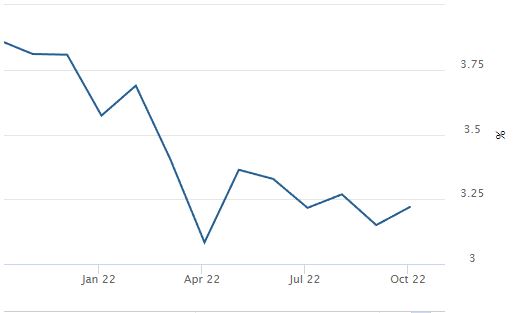
    MEXICO | Unemployment remains stable. On 29 November, Mexico’s national statistics institute (Inegi) announced that the unemployment rate stood at 3.3% of the economically active population in October, equating to 2m people. This was slightly up from 3.2% registered in September and is 0.6 percentage points less than in October 2021. According to Inegi, 58.4m people were employed in October – 2m more than in October 2021.

    MEXICO | Trade deficit registered in October. On 28 November, Inegi released figures showing that the country had a trade deficit of US$2.01bn in October 2022, compared to a deficit of US$2.79bn in the same month 2021 and US$895m in September 2022.

    MEXICO | FDI soars. On 22 November, Mexico’s economy ministry (SE) revealed that foreign direct investment (FDI) in the first three quarters of 2022 amounted to US$32.14bn, representing a 29.5% increase on the same period in 2021. The SE noted that “this is the highest figure since 1999 for a similar period”. The US provided 39.1% of the FDI received in the first three quarters of this year, followed by Canada (9.5%), Spain (7.1%), and Germany (2.9%). Most of the investment went towards manufacturing (36.3%), followed by transport (14.5%), mass media (13.6%), and financial services (11.6%).

    Mexico: GDP growth
    Percentage variation (year-on-year)

    Mexico: unemployment rate
    Economically active population

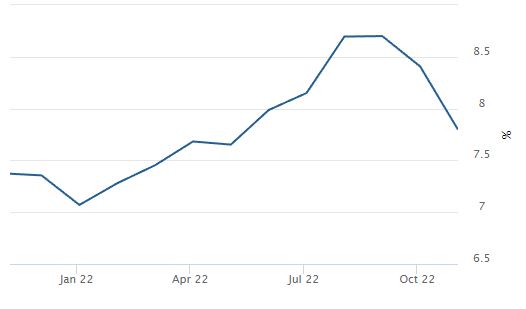
    Mexico: inflation rate
    Percentage variation (year-on-year)

  • SURINAME: IMF calls for greater protection for the poor

    Sarah Sheldon 11 December 2023 Hits: 249

    In a somewhat unusual role, the International Monetary Fund (IMF) has been demanding that the government of Suriname should do more to protect the poor from high energy costs.

    At a press conference on 9 November, IMF representative Anastasia Guscina said the government should implement a more effective social protection programme. Under an IMF-funded economic adjustment programme that has been running since December 2021 the government has begun to phase out fuel and electricity price subsidies. But Guscina said that in doing so, it was neglecting to protect the poor from adverse impacts. “I don’t know if people realise, but this is the area where the fund asked the government to spend more. It is a different [budget] line item compared to all the others. In others we say, ‘let’s consolidate’. This one we say, ‘let’s spend more.’”

    In some respects, Guscina’s comments were unusually outspoken. She said that government “inaction” on social protection was contributing to “social instability”. Existing social protection measures were “disappointing and inferior” and should be more transparent. She called for major efforts to improve performance, along with faster and more efficient streamlining of the civil service. However, the Fund did acknowledge that the government had achieved a degree of stability in its management of the economy, with the exchange rate and domestic inflation on their way down.

    Bauxite plan

    Major mining companies from India, China, and the Middle East were said to be among those expressing interest in a major new bauxite mining project in western Suriname. Government officials said that they hope to award a bauxite mining concession there by late 2024. In an interview with Reuters published on 7 November, Daniel Lachman, the chair of the presidential commission created to evaluate bids for the Bakhuis region, said that between US$10bn and US$12bn would be needed in investment to develop the concession over the next ten years. He said that there’s 324m tonnes of bauxite reserves in the Bakhuis region. Since the 1970s, various attempts to develop these deposits have failed, but the officials say the situation is now more favourable, with the global energy transition boosting demand for aluminium, the metal derived from refining bauxite ore.

    Bauxite mining

    Bauxite mining came to an end in Suriname in 2015 when Alcoa, the US multinational, shut down its operation citing rising costs and falling reserve levels. President Chandrikapersad Santokhi said the concession would open up a new era in the country. He committed the government to help build transport infrastructure to make the area more attractive to mining companies. The development also envisages close cross-border cooperation with Guyana, which also has significant bauxite reserves. Development costs would be shared across the two countries.

  • TRACKING TRENDS

    LatinNews 10 May 2012 Hits: 1900

    BRAZIL | Cosan moves into gas. On 3 April Britain’s British Gas Group (BG), announced that it had agreed the sale of its 60% stake in Companhia de Gás de São Paulo (Comgás) to the local energy conglomerate, Cosan, for US$1.8bn. Cosan is Brazil’s largest and the world’s second largest bio-ethanol producer, and although it also has other smaller energy businesses, the purchase will mark its first foray into the natural gas distribution business.

    The move follows others by Cosan as it continues to diversify into fossil fuels. In 2008 it purchased Exxon Mobil’s oil distribution assets in Brazil for US$836m; and last October it complemented this by concluding the purchase of the distribution assets in Bolivia, Paraguay and Uruguay for an undisclosed amount.

    However, the Comgás purchase, if concluded, will be Cosan’s biggest ever. Comgás, which operates mainly in São Paulo, is Brazil’s largest gas distributor with 4,000km of gas ducts which supply 57 cities. Interestingly the other major stakeholder in Comgás is the Anglo-Dutch oil company, Royal Dutch Shell, with whom Cosan signed a joint-venture agreement in 2010 to distribute ethanol and other fuels in Brazil. This joint-venture has been billed as creating the world’s largest bio-energy distribution company.

    In a statement BG said that it hoped to reach “a definitive sale agreement in the short term” and expects to conclude the transaction before the end of the year. BG executive director, Frank Chapman, explained that the deal was part of the company’s strategy to concentrate on its hydrocarbons exploration and production businesses, particularly in Brazil and Australia, for which it is expected that the company must raise a large amount of capital to be invested in these operations. “We look forward to concluding this deal as part of our plans to release some US$5bn of capital in the next two years through strategic divestments,” Chapman explained.

    ARGENTINA-BRAZIL | Businessmen look for solutions to trade barriers. A 580- strong delegation of Argentine businessmen led by Argentina’s secretaries of domestic trade, Guillermo Moreno, and foreign trade, Beatriz Paglieri, met Brazilian entrepreneurs in São Paulo this week.

    Before the meeting, Moreno said that the goal of the meeting organised by the Argentine government and São Paulo’s industry federation (Fiesp) was to “develop new business opportunities and to obtain a more balanced bilateral trade by diversifying the products traded and promoting productive chain integrations in the two countries”.

    Southern Common Market (Mercosur) partners, Brazil and Argentina have been involved in a spat since Argentina began imposing trade barriers to protect its national producers from foreign competitors. This has angered Brazil, but Argentina maintains that the asymmetries between the two economies means that the bilateral trade balance will tend to be in Brazil’s favour and that Brazil should seek to increase its level of Mercosur imports.

    During the meeting Fiesp released a study that found that 24% of Brazilian firms do not import products from Argentina due to “lack of knowledge”. Moreover, the study also found that 45% of 221 Brazilian firms polled considered that substituting current imports with Argentine imports was “viable or very viable” in the next five years. Fiesp president, Paulo Skaf, said that the study showed that Brazilian firms “could buy more from Argentina”.

    Meanwhile, Paglieri said that the Argentine businessmen were able to establish valuable contacts and although she failed to provide any figures for proposed deals, she said that “Argentine businesses have the capacity to compete in the Brazilian market”.

    PARAGUAY | Cutting rates. On 8 May Paraguay’s Central Bank (BCP)’s policy committee announced that it was cutting its monetary policy interest rate (IRM) by 25 basis points to 6.25%. The BCP justified this decision by pointing out that the expected contraction in economic growth this year would also cause a decrease in domestic demand. Last month the bank revised its growth forecast for the year from 3.7% to -1.5% due to the decline in activity in the agricultural sector. However, the BCP announcement also warned that this was the lowest interest rate level it could foresee in the current scenario. This as BCP president Jorge Corvalán announced the previous day that the inflation forecast stands at 5%, within the BCP’s target range.

    • Bilateral trade

    Last year bilateral trade between Argentina and Brazil increased by 20.2% to US$39.6bn. Brazil posted a positive trade balance of US$5bn.

  • PARAGUAY: Franco government seeks economic transformation

    LatinNews 02 August 2012 Hits: 2598

    Although the new government headed by President Federico Franco has very little time in office, its ambitions are big. Within weeks of taking office it declared that that one of its key objectives is to lay the foundations to industrialise Paraguay’s agri-based economy. The new administration might do better to use its limited time to support the key agricultural sector, which is still struggling to recover from a disastrous start to the year [RBS-12-01]. Moreover, Paraguay’s suspension from the Southern Common Market (Mercosur) has also fanned uncertainty about the country’s international trade and diplomatic relations.

    Upon his investiture on 22 June, President Franco declared that he would endeavour to achieve more in his brief term than his predecessor Fernando Lugo (2008-2012) did in four years. In his first month, the president has concentrated his efforts on stabilising the country and seeking to gain legitimacy for his administration abroad.

    Latterly, the government has begun to turn its attention to the battered economy. In a meeting with local business leaders on 26 July Franco presented his vision for the future. He said that the country must to stop being an “amateur state” heavily dependent on its agricultural exports and look to develop a larger industrial sector. According to Franco, Paraguay has the capacity to achieve this because it has abundant resources, such as land and energy that potentially could make it more competitive than its bigger Mercosur partners, Argentina and Brazil. Franco suggested that this industrialisation process could begin as soon as the government secures the installation in the country of Rio Tinto Alcan’s proposed aluminium project. The US$3.5bn project was presented to the Lugo administration in 2010 but has been delayed by concerns about its environmental impact and its massive energy requirements.

    Franco said that the new government had taken over the negotiations with the conviction that it represents a major opportunity for the country to break the “vicious cycle” by which it is practically “gives away” its surplus energy to both Brazil and Argentina. He expressed confidence that the project will soon get full approval in congress, which so far has been cooperating with the new executive. Max Haber, the president of Paraguay’s industry, production and trade federation, urged the government to take advantage of its honeymoon phase to push forward other long-delayed infrastructure projects deemed crucial to economic development, including road schemes and the dredging of the Paraguay River. Franco’s public works minister, Enrique Salyn Buzarquis, seconded that, noting that the new administration wants to develop infrastructure projects that will benefit the country in the next 20 to 30 years. However, the window of opportunity for the Franco government will close as fast as it opened; by early 2013 Paraguay will be in a new general campaign ahead of the 21 April polls, at which point congress may be less obliging.

    Critics argue that the Franco government should focus its attention on dealing with more pressing short-term concerns. The agriculture ministry has already warned that the 2012 maize, cotton and sesame harvests will be the worst ever. Drought has decimated 60% of soy, the country’s main export crop. Producers project losses of over US$2bn. Elsewhere, the national animal plant quality and health inspection service (Senacsa) revealed on 24 July that first half beef exports were down 17% year-on-year over the same period of last year as a result due to a Foot and mouth disease (FMD) outbreak. This translated into revenue losses of US$96m.

    • An obliging congress

    Now that the former president Fernando Lugo is no longer in office, Paraguay’s often contrarian congress has turned over a new leaf. Indeed since Federico Franco succeeded Lugo in late June, the congress has approved US$480m of previously blocked infrastructure projects, as well as a US$125m loan from the Inter-American Development Bank to upgrade Asunción’s public transport system. But in the biggest surprise of all, it also approved implementation of the new personal income tax regime (IRP), which it had blocked for the past six years. Seizing the opportunity, Finance Minister Manuel Ferreiro has urged the congress to also unblock an additional US$550m in loans from international organisations.

  • ARGENTINA: New central bank president claims success

    LatinNews 13 November 2014 Hits: 1206

    When Alejandro Vanoli, the president of Argentina’s central bank, took over from Juan Carlos Fábrega, just under two months ago many analysts expected a devaluation of the peso, the second in a year. Instead, Vanoli tightened controls over the exchange market, and the peso has strengthened slightly against the US dollar. It remains to be seen, however, how long these gains can last.

    Speaking to reporters on 12 November, Vanoli said that the central bank is “determined to deepen the quantity and quality of supervising processes, focusing on money laundering and currency exchange regulations”. Vanoli went on to say that the public and the market had responded positively to the new controls, and that confidence had been restored by the government ruling out a devaluation.

    One of the key elements in the bank’s system of controls involves the tax agency (Afip), conducting surprise raids on banks and exchange houses to crack down on suspected illegal currency trading. On 11 November, 71 of these institutions were raided simultaneously across Argentina. Among the companies affected were Banco Mariva, Banco Columbia, Transcambio and Caja de Valores. Afip said it had detected “inconsistencies” in the accounts of four companies trading Arg$120m (US$14.1m at the official exchange rate) which suggested they had been acting as fronts enabling capital flight. Two brokerages, Arpenta and JR Bursátil, were suspended. The president of the financial information unit, José Sbatella, said the raids would continue for the foreseeable future. “As long as it works, we will continue with this investigation,” he said.

    Afip’s raid comes after the suspension of the multinational, Procter & Gamble, in Argentina for tax fraud and capital flight in import operations from Brazil for US$138m that were being billed through a Swiss subsidiary. According to Afip, with the manoeuvre the US company committed criminal evasion by transferring foreign currency to its subsidiaries abroad, which could constitute aggravated smuggling. P&G has been preventively suspended from the importers/exporters register, which prevents the company from operating in the local foreign exchange market. An initial meeting between the company’s heads and Afip officials has already been held but no solution has yet been reached.

    In the last two weeks the black market peso has strengthened by 14% against the US dollar, falling to around Arg$13/US$1, from a high of around Arg$16. Meanwhile the official exchange rate is now around Arg$8.50. Alfredo Piano, the president of Banco Piano, said he expected the black market rate to fall further, to as low as Arg$10. In a radio interview, Piano urged investors to go to the legal market for dollars, in order to help with the development of the formal economy and said that if the ongoing official crackdown on the parallel market continues, the black market for dollars would “no longer exist”.

    But analysts are not convinced that the stronger peso is here to stay. They say that other short-term factors have helped maintain currency reserves and stabilise the markets. These include the first phase of a currency swap deal with China which brought in US$814m; a new US$650m loan from Banque de France; an expected inflow of US$3.8bn of payments for agricultural exports; dollar inflows linked to the recent 3G and 4G mobile phone frequency auctions; and the government’s recent sales of US dollar-indexed bonds. According to a study by local bank, Banco Ciudad, US dollar flows should be fairly stable until the end of 2014. But the study also notes that the government faces US$15bn worth of debt maturities in 2015, plus a large and as yet unknown bill to settle its ongoing dispute with its ‘holdout’ creditors.

    • Griesa’s ‘incoherent’ move

    On 10 November New York District Court Judge Thomas Griesa ruled that Citigroup can go ahead and distribute a US$85m interest payment by Argentina to some of its bondholders which falls due on 31 December. The move by Judge Griesa, who has blocked other Argentine bond interest payments, can be seen as an attempt to edge the parties in the country’s long-running foreign debt dispute closer to an agreement. But it was described as “incoherent” by Argentina’s economy ministry.

  • REGION: EU to provide financing for regional energy integration

    Sarah Sheldon 17 December 2025 Hits: 51

    On 10 November the European Investment Bank (EIB), the long-term lending institution of the European Union (EU), said it would provide €1bn (US$1.16bn) in financing to strengthen power grid integration and clean energy across Central America.

    The funds will be used for transmission and distribution projects, as well as renewable energy initiatives, said the EIB in a statement. “The operation aims to help the region advance its energy transition and decarbonisation goals, while improving access to reliable and affordable electricity,” it said. There are expected to be five or six sub-operations worth €150m-€350m each, which “will be implemented through framework loans and investment loans with national utilities and regional institutions,” added the EIB.

    The aim is to bolster the development of the Central American regional electricity market (MER), which facilitates electricity trade and integration between Panama, Costa Rica, Nicaragua, Honduras, El Salvador, and Guatemala, as well as improving the reliability and interconnection of regional power grids, cutting energy losses, and opening business opportunities for European firms to invest in the region.

    The region has had an interconnected electricity grid since 2014, which allowed for the creation of the MER, the aim of which was to lower electricity prices and increase energy security by allowing member states to sell surplus electricity to the grid to make up for shortfalls elsewhere.

    However, while generating capacity has increased, investment in transmission and distribution capacity has lagged, leading to regular blackouts that have caused significant economic losses. There has also been wrangling around the rules governing energy sales, and growing tensions as prolonged periods of drought have led to energy shortages in a region that is heavily reliant on hydroelectric power plants. As a result, in 2021 Guatemala announced that it would leave the MER, with the decision coming into effect in 2031 according to the rules of the treaty.

    Resolving these issues will require a massive amount of investment and a level of political coordination that has not so far been evident, with work still to be done on harmonising different national regulations. Nonetheless, there is significant support from the EU and other multilateral organisations determined to optimise the MER, including the Inter-American Development Bank (IDB), which was the primary source of financing for the 1,800km transmission line that connects the regional electricity grid. The IDB reiterated its commitment to the project in a statement published in November 2024, which set out a Vision 2050 plan envisaging a massive rollout of solar and wind generation plants. It also estimated that around US$20bn in new investments would be necessary to guarantee operational stability in the coming decades. 

    As a result, while the EU announcement is encouraging, far more money will be needed to achieve the stated aims of the architects of the MER, who also plan on building out new connections between Guatemala and Mexico; Guatemala and Belize; and Panama and Colombia. It is possible that more funding will be forthcoming from the EU under its Global Gateway Investment Agenda (GGIA), which aims to drive investment in green and digital opportunities in Latin America, but that will likely depend on the successful execution of this first round of projects.

    Even if transmission and distribution projects improve stability in the rest of Central America, Nicaragua would remain an issue. The country will not benefit from EU financing as it has become an international pariah in recent years amid deepening political repression, but restricted access to funding would likely leave the country as a significant weak point in the regional electricity network, increasing the risk of continued blackouts. As a result, there are significant political challenges to improving regional electricity integration, in addition to technical and financial ones, at a time when electricity demand is forecast to increase as the energy transition progresses, and there is more demand for cooling technology such as air conditioning as climate change intensifies.

  • VENEZUELA: Shedding some light on the Fonden

    LatinNews 31 August 2011 Hits: 502

    According to calculations by an opposition deputy, the government led by President Hugo Chávez has spent US$9.6bn through the off-budget, executive-controlled National Development Fund (Fonden) in 2010.

    The figure is equivalent to 13% of the 2010 budget (of US$74bn). Even more interesting is that some US$29bn in Fonden funds appears to have gone missing since its creation in 2005. That is the equivalent of the country’s total national reserves. In total, the Fonden has received an estimated US$69.5bn in funds since 2005, mainly from the government’s cash cow, the state oil company Petróleos de Venezuela (Pdvsa), as well as the petro dollar-flush central bank (BCV).

    Carlos Ramos, an opposition deputy in the unicameral national assembly (AN), has apparently put together the figures from a report provided by Finance Minister Jorge Giordani to the AN president, Fernando Soto Rojas.

    With elections due in 2012, the government has already boosted budget expenditure by an additional US$16bn to date this year (February-August), well over twice the US$7.25bn sanctioned in the same period of 2010. In July it transferred US$1.5bn to the Fonden from BCV reserves. Pdvsa apparently passed along US$20.6bn in “social development contributions” to the Venezuelan state in 2010, up 211% from US$6.6bn in 2009. In its latest accounts it also reports nine ‘parallel’ budget funds to which it contributed US$10bn in 2010.

    The cost of maintaining the Bolivarian Revolution and re-electing President Hugo Chávez in 2012 is soaring. Despite an average price for Venezuelan oil of US$98 a barrel to date this year, the government is still raiding other pots of “off-balance sheet” money and issuing debt. The total estimated cost of the latest central bank US$4.2bn bond issue (which carried a coupon of 11.95%, maturing in 2031) will be about US$9.5bn, thanks to the joys of compound interest. It was sold locally (mainly to public banks) in exchange for Bolivars.

    The banks immediately sell abroad in exchange for US dollars, in order to feed back into the foreign exchange market.  As one critic quipped, “the government is giving away money for the sake of preserving an artificial foreign exchange system”. Preservation of that system is critical to maximising oil export revenues.

    The Pdvsa mystery: Pdvsa’s latest set of accounts for 2010 make for interesting reading. Its net earnings came to US$3.16bn in 2010, on revenues of US$94.3bn. In 2009, earnings were US$4.39bn, on revenues of US$73.8bn. That means that net earnings in 2010 were down on 2009, despite much higher revenues (of some US$20bn). Adding to the mystery is the fact that Pdvsa is ever more indebted, despite high oil prices - its financial debt at end-2010 is reported as US$21.3bn, up from US$18.9bn at end-2009.

    Pdvsa’s borrowing, like Petróleos Mexcanos’ has not delivered increased oil production. In 2010 production was 2.97m bpd, down a bit on the 3.01m b/d reported in 2009 - and Pdvsa’s output figures are heavily disputed by private analysts. Pdsva is planning a US$80bn investment in the heavy crude Orinoco belt in coming years (with money up front from China), the company now employs just under 100,000 workers in total, up from 52,000 in 2006.

  • TRACKING TRENDS

    Abbi Dicker 04 April 2024 Hits: 2648

    BRAZIL | Central bank raises growth forecast. The monetary policy committee (Copom) of Brazil’s central bank (BCB) released the latest edition of its quarterly Relatório de Inflação report on 28 March, which includes various economic projections. In this March edition, Copom raised its annual GDP growth forecast for 2024 to 1.9%, up from 1.7% in the previous edition.

    The agricultural sector, the main driver of Brazil’s GDP growth in 2023, is currently projected to contract by 1.0%, down from a forecast of 1.0% growth in Copom’s December report. Industrial production, on the other hand, had its annual growth forecast raised. In December, Copom projected 1.7% growth for the industrial sector in 2024, but in this March edition the committee projected 2.2% growth.

    Stronger annual growth figures are expected for extractive industries (3.0%), manufacturing (1.7%), and construction (2.5%), up from the December projections of 2.0%, 1.3%, and 1.0% respectively.

    In the latest report, Copom projected that annual inflation would close the year at 3.50% in 2024; this forecast was unchanged from the December edition.


    BRAZIL | Rise in proven oil reserves. On 1 April the national oil and gas regulator (ANP) released its annual report on hydrocarbon reserves, showing 15.89trn barrels of oil in proven oil reserves, 22.78trn barrels in proven and probable reserves, and 27.53trn barrels in proven, probable, and possible reserves. The volume of proven oil reserves marks a 6.98% increase compared with 2022.

    The increase in proven oil reserves was mainly registered in the oil fields of Búzios, Tupi, and Raia Manta, all near Brazil’s south-eastern coasts. Proven reserves of natural gas in 2023 totalled 517.08bn cubic metres, which marks a 27.12% increase from 2022.

  • ECONOMIC HIGHLIGHTS

    Abbi Dicker 12 August 2025 Hits: 3001

    ARGENTINA | IMF eases foreign reserves target. The International Monetary Fund (IMF) confirmed on 1 August that it has lowered Argentina’s international reserves target following the first review of its Extended Fund Facility (EFF) arrangement. The IMF’s executive board agreed to disburse US$2bn to Argentina following the review, noting that programme implementation has been strong “despite a more challenging global backdrop”, which it said reflected “appropriately tight policies”. While the IMF noted that Argentina had missed the mid-June target for net international reserves accumulation, it said that other key performance criteria and targets were met, and corrective measures had been implemented to bring reserves closer to the target. Due to this and following requests from Argentina’s government led by President Javier Milei, the IMF revised down its international reserve target, meaning Argentina will now need to raise net hard-currency reserves to negative US$2.6bn by the end of this year, some US$5bn lower than the original target of US$2.4bn, to unlock the next tranche of IMF funds. The figure is currently at negative US$6.4bn. Targets following subsequent reviews have also been lowered, with the target only expected to get back on track by the end of 2027.

    BRAZIL | Unemployment rate reaches record low. The national statistics institute (Ibge) released unemployment figures on 31 July which showed a jobless rate of 5.8% for the rolling quarter of April-June this year, equivalent to around 6.3m people. This is down from the 6.2% unemployment rate in March-May, 6.6% in February-April, and 7.0% in January-March. In year-on-year terms, unemployment in the latest quarter is down from 6.9% in April-June 2024. In a press release, the Ibge highlighted that 5.8% is the lowest unemployment rate registered since records began in 2012. The total employed population in April-June this year stood at around 102.3m people, which the Ibge stated is also a record figure.

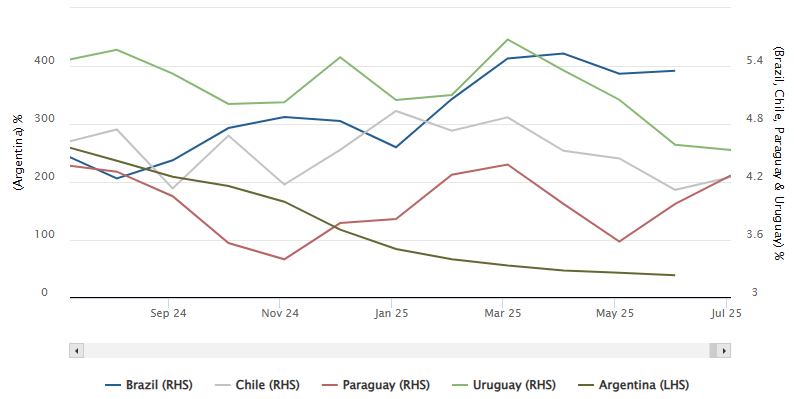
    Brazil & Southern Cone: inflation rate
    Percentage variation (year-on-year)

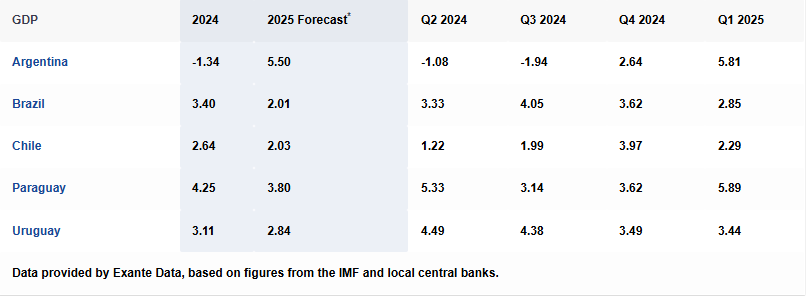
    Brazil & Southern Cone: GDP growth (%)
    Quarterly figures are year-on-year growth

  • RASTREANDO TENDENCIAS

    LatinNews 21 September 2011 Hits: 596

    BRASIL | ¿Desacelerando? El índice de actividad económica del banco central, el IBC-Br, cayó en junio por primera vez desde diciembre de 2008. Cayó en 0,26% mes en mes en junio con relación a mayo. Los economistas locales recientemente han reducido su pronóstico anual del crecimiento real del PIB para este año y el próximo a 3,93% y 4%, respectivamente. La inflación también muestra signos de descender, lo que podría permitir al banco central dejar la marca de referencia de las tasas de interés Selic sin ser tocada en su próxima reunión el 31 de agosto. Algunos industriales ya han pedido un recorte en el Selic de su tasa actual de 12,5%.

  • CARIBBEAN POINTERS

    LatinNews 08 February 2012 Hits: 1934

    *** BELIZE HEADS FOR THE POLLS.  Prime Minister Dean Barrow of the ruling centre-right United Democratic Party (UDP) has called an early election for 7 March.  An election was not due until February 2013, five years after the last poll in February 2008.  In the 2008 poll, the UDP gained 25 of the 31 seats in Belize’s House of Representatives against the six seats won by the People’s United Party (PUP), which had been in power since August 1998.  The PUP will be led into the election by Francis Fonseca who took over the party leadership in October 2011.

      The PUP lost power in 2008 because of a public perception of corruption and abuse of power attached to it.  The PUP will argue that the UDP has not delivered the improvement in living standards it should have.  But growth has not been that bad. A December 2011 report by the UN's Economic Commission for Latin America (Eclac) forecast 2.5% growth for 2011, which, while down from 2.9% in 2010, is expected to rise to 3% in 2012. Also in the UDP’s favour is the fact that Barrow is a strong leader and his party is well-organized and financed while the PUP is faction-ridden.

     Against this, Standard & Poor’s have downgraded Belize’s long-term foreign- and local-currency sovereign credit ratings to ‘CCC+’ from ‘B-’ as a result of statements made by the prime minister.  On 31 January, Barrow said that the continued debt service of the government’s US$546.8m ‘superbond’ was an election issue.  S&P’s analyst Kelli Bissett said: “The downgrade reflects signs of lower political willingness to service Belize’s external commercial debt obligations.  In addition, Belize faces external imbalances, limited access to external funding, and rising costs of servicing general government debt.”

    *** DIP IN INFLATION FOR TRINIDAD & TOBAGO.  According to the Central Bank, Trinidad & Tobago finished 2011 with a year-on-year inflation rate in December of 5.3%, slightly down on November’s 5.7%.  Food prices rose by 10.9% in December against a 12.3% increase in November.  Food prices were noticeably volatile throughout 2011, rising by 30.9% year-on-year in January but by just 0.3% in August.  The subsequent increase was due to flooding in agricultural areas.  Since the middle of 2011, core inflation has remained under 2%, reflecting weak demand. 

    *** THE BAHAMAS PREPARES FOR ELECTIONS.  Prime Minister Hubert Ingraham of the ruling Free National Movement (FNM) has signalled the start of his re-election campaign without yet fixing the date for the election.  The election must be held by 2 May 2012.  The total number of seats to be contested is 38, down from 41 in the 2007 general election.

      In the 2007 election, the conservative FNM won 23 seats against the 18 taken by the left-leaning Progressive Liberal Party (PLP).  The FNM has an interesting political history in that it was formed in 1971 from the largely white-led United Bahamian Party and dissidents from the PLP.  The FNM won in 1992 and 1997 under the leadership of Ingraham but lost in 2002 under a new leader.  Returning to the leadership after the 2002 loss, Ingraham again led the FNM to victory in 2007.  He is now standing for his fourth term as prime minister (see sidebar).

     On the campaign trail. Ingraham is campaigning on the hope of continuing economic recovery, which is based principally on tourism.  GDP growth for 2012 is forecast to be 2.3% following a slow recovery from the catastrophic 5.4% contraction in 2009, which in turn followed a 1.3% contraction in 2008.  There has been an earlier contraction of 2.9% in 2006 (which was followed by a slight 1.4% recovery in 2007).  Speaking in late January, Ingraham said: “For the second year in a row since the Great Recession, room occupancies, average daily rates, and room rates were up last year.  Perhaps most encouraging has been that visitors are spending longer periods with us and reporting improved levels of customer satisfaction.”

  • CARIBBEAN POINTERS

    LatinNews 10 September 2014 Hits: 884

    *** IMF KEEPS UP PRESSURE ON BELIZE. Belize’s United Democratic Party (UDP) government led by Prime Minister Dean Barrow is proud of having successfully undertaken two sovereign debt restructurings in recent times, in 2006-7 and again in 2012-13, without the help of the International Monetary Fund (IMF).  This has encouraged the government to resist IMF pressure to undertake “frontloaded macroeconomic adjustment policies”.

    At the end of July, Barrow made clear what he thought of this pressure when he said: “I wouldn’t set too much store by what the IMF says…I am in no program with them, have no need to get into any program with them, and we therefore in this government and in this country are our own masters.”

    The IMF, however, is keeping up the pressure on Belize.  The results of its latest Article IV consultation were published on 4 September, with the IMF warning that “the medium-term outlook is worse than envisaged during the 2013 Article IV consultation”.  According to the IMF, while growth may get back to around 2.5% in the medium term, “growth would be weaker than expected in the near term”.

    On the specific question of debt, the IMF said: “The authorities’ policy plans would maintain the primary surplus around 1% of GDP in FY14/15 and in the medium term.  Low primary surpluses together with the assumed recognition of debt related to nationalizations will increase the public debt-to-GDP ratio.”  The debt-to-GDP ratio for 2014 is estimated to be just under 78%.

    In its 4 September statement, the IMF added: “Directors emphasized the need to renew fiscal consolidation efforts to ensure debt sustainability and create policy buffers in case downside risks materialize.”  It called for “a vigorous policy response…to reduce vulnerabilities”.

    On the external front, the current account deficit widened to 4.5% of GDP in 2013 up from 1.2% in 2012, as exports of oil and agricultural products fell sharply while imports of fuel and electricity picked up.  The IMF is now warning that “expansionary fiscal policies, including large wage increases, would fuel higher domestic consumption and upward pressures on the external current account deficit”.

    *** TRINIDAD’S “ELECTION BUDGET”. On 8 September, Trinidad & Tobago’s Finance Minister Larry Howai presented the People’s Partnership (PP) administration’s fifth budget, which was immediately dubbed an “election budget” by the opposition (an election is due in 2015).  However, although the total government expenditure for 2014/15 of US$10bn is the highest ever, and includes populist items such as increases in the minimum wage and pensions and a payout to new mothers to help them buy baby products, the fiscal deficit is in fact projected to decline from 3.6% of GDP in 2014 to 2.3% in 2015.

    *** BAHAMAS DOWNGRADE. On 2 September Moody’s ratings agency downgraded The Bahamas’ sovereign credit rating from Baa1 to Baa2.  The agency explained its move by saying: “The government’s debt-to-GDP ratio has increased from 31.7% in 2007 to 59.0% in 2013, and Moody’s expects it to peak in 2015.  At this level it is almost 20 percentage points above the median for Baa-rated sovereigns (39.5% in 2013).”

    However, Moody’s changed its categorization of the country’s economic outlook from negative to stable, in part because of the plans to introduce a 7.5% value-added tax in 2015 and in part because the associated fiscal consolidation plan should coincide with stronger economic growth in the US.  The agency believes that The Bahamas’ GDP growth in 2015 will be in the 2%-2.5% range.  From the time of the global financial crisis in 2008 until end-2013, the country averaged just 1.1% growth.

    • “Belize’s United Democratic Party (UDP) government led by Prime Minister Dean Barrow is proud of having successfully undertaken two sovereign debt restructurings in recent times, in 2006-7 and again in 2012-13, without the help of the International Monetary Fund (IMF).  This has encouraged the government to resist IMF pressure to undertake ‘frontloaded macroeconomic adjustment policies’.”
  • TRACKING TRENDS

    LatinNews 29 January 2015 Hits: 1472

    BOLIVIA | ThyssenKrupp interest. On 27 January Bolivia’s mining minister, César Navarro, revealed that German multinational conglomerate, ThyssenKrupp AG, had expressed an interest in securing a long-term provision contract with Bolivia’s state-owned tin mine and smelter, Vinto. According to Navarro, ThysseenKrupp representatives met with him at his office that same day to discuss their plans to “develop business projects and invest in Bolivia”, mooting the possibility of opening up a branch there. Navarro said that “one of their objectives is to support Vinto by signing a five to 10 year tin provision contract”.

    Vinto, which was nationalised by the Bolivian government in 2007 and previously owned by mining giant Glencore, is the world’s sixth largest tin producer with an installed production capacity of 20,000 tonnes (t) a year. But according to Navarro, capacity is now due to increase by 110t per year following the construction of a new furnace at the smelter, which was completed last week.

    ThyssenKrupp is the world’s largest steel producer and one of the leading suppliers of components to the global industrial sector.

    COLOMBIA | Still reducing poverty. On 26 January the United Nations Economic Commission for Latin America and the Caribbean (Eclac) released its ‘Social Panorama for Latin America 2014’ report, which found that while poverty reduction in the region was largely stagnant in 2012-2014, Colombia was one of a handful of countries that succeeded in significantly reducing poverty rates.

    The Eclac report found that the region’s poverty rate remained virtually unchanged at 28% compared to 28.1% in both 2012 and 2013 (which taking into consideration demographic growth means that there are now 167m more people considered to be poor in Latin America). But the report found that Paraguay (8.9 percentage points), El Salvador (4.4), Chile (3.2) and Colombia (2.2) managed to post reductions in the incidence of poverty (and similar reductions in extreme poverty rates).

    While Colombia may not be leading the way, the fact that it is the fourth most populated country in the region means that a greater number of individuals were lifted out of poverty in Colombia than virtually in any other country.

    PERU | BCRP forecast differs from IMF’s. On 25 January Peru’s central bank (BCRP) released the latest instalment of its inflation and macroeconomic projections’ report in which it forecast GDP growth of 4.8% in 2015. The BCRP’s forecast is lower than its December 2014 projection of 5% but slightly higher than the 4% projection recently made by the International Monetary Fund (IMF), which revised its forecast down from 5.1%.

    The report was presented by BCRP president, Julio Velarde. He said that it is expected that after two years of low growth on the back of a fall in international commodity prices, Peru’s economy will rebound this year with strong growth in a number of sectors. Velarde noted that the BCRP projects growth of 17.2% in the fishing sector; 6.3% in the mining sector; 5.7% in the construction sector; and 5.4% in the manufacturing sector. He added that exports are expected to come in at US$36.1bn.

    Commenting on the differing forecast with the IMF, Velarde insinuated that the IMF’s projection was off the mark because it was not based on the latest available data. Velarde said that this was “the first time” that the IMF had failed to consult the BCRP before releasing any forecasts for the Peruvian economy. “I very much doubt that [the IMF] met with fishermen, miners, and coffee growers as we have done,” Velarde remarked.

    At any rate, the BCRP’s latest projections do not make for great reading for the government led by President Ollanta Humala as they suggest that while Peru will recover from the economic slowdown it has experienced since 2013, this recovery will be less than originally expected. More worryingly the BCRP report also forecast that year-end 2014 growth would come in at 2.4%, lower than its last projection of 2.6%-3%.

    Only a few days prior to the release of the BCRP report, on 22 January, Peru’s economy & finance minister, Alonso Segura, said that the government was predicting growth of 2.7% in 2014 and of around 5% in 2015, with Peru once again becoming one of the fastest growing economies in Latin America. Such an outcome is looking increasingly difficult to achieve.

    • Avianca

    On 22 January the specialised magazine, Business Traveller, announced that Avianca S.A., Colombia’s national air carrier, had been chosen by its readers as Latin America’s best airline in 2014. In a statement the magazine said that “Based on a combination of criteria such as service, route offer, comfort, proximity and service culture, world travellers have chosen Avianca as the best”. Fabio Villegas Ramírez, Avianca’s president, said that “it fills us with pride and satisfaction to receive this award... Avianca has managed to obtain a place of honour thanks to its innovations across its services”. Avianca currently flies to 98 destinations in 26 countries in Latin America and Europe with a fleet of 165 short, medium and long haul aircraft.

  • POINTERS

    LatinNews 27 October 2017 Hits: 315

    SURINAME | Looking to Russia. Suriname is the only country in South America where Russia does not have an embassy, but this could be changing. Both Suriname and Russia appear to be making a concerted effort to improve their ties.

    The move towards closer relations was signalled a year ago, at the time of the UN General Assembly gathering in New York in September 2016 when Russia’s Foreign Minister Sergey Lavrov met Suriname’s then foreign minister, Niermala Badrising. There was a further meeting this September, this time between Lavrov and Suriname’s current foreign minister, Yldiz Pollack-Beighle.

    Agreements are now being prepared for visa-free travel between the two countries, and for an agreement on military cooperation. Pollack-Beighle is due to visit Moscow in late October to further develop ties. In a recent interview, the director of Russia’s Latin American Department, Alexander Schetinin, noted Suriname’s “strong effort to develop relations with Russia” over the past two years.

    BAHAMAS | Threat to Haitians in the country. Speaking in parliament in the second week of October, The Bahamas’ Prime Minister Hubert Minnis said that irregular migrants have until 31 December to return voluntarily to their countries of origin after which time they will face arrest and expulsion. The new hard-line policy will have the biggest effect on Haiti and Haitians. It is thought that there are 70,000-80,000 Haitians in The Bahamas, of whom as many as 50,000 could be ‘irregular’.

    The government has been reminding employers of their duties to regularise the status of their employees. Minnis told parliament: “Those who illegally employ such migrants are legally responsible and will be prosecuted. We must make a country where the law applies.” He added, however, that immigration officers would be told “to do their duty in a professional and humane manner”.

    TRINIDAD & TOBAGO | Preparing new security policy. Edmund Dillon, the minister of national security, has said that a new national security policy for 2018-2023 is in the final stages of preparation, along with the ministry’s own strategic plan for the same period. The new national security policy will go to the National Security Council for approval while the ministry’s strategic plan will be submitted to cabinet. Setting the tone for the new plans, Dillon said: “We have reached a stage where we have to declare war on criminals in Trinidad and Tobago.”

    One of the areas that Dillon highlighted will be the implementation of a new state-of-the-art border control system with US help, known as the Personal Identification Secure Comparison and Evaluation System (Pisces).

    GUYANA | Airlift problems. As Guyana prepares itself for the transformative effect of its recent offshore oil discoveries, with production scheduled to begin in 2020, addressing its lack of airlift capacity is a priority. The main problem stems from the country’s downgrading to Category 2 status by the US Federal Aviation Administration (FAA) in 2002.

    The downgrading has significantly curtailed the number of direct flights between Georgetown and, for instance, New York, and following the recent collapse of Dynamic Airways a round-trip to New York now costs US$900 on Caribbean Airlines (CAL). A roundtrip to London is US$1,500. Dubai is over US$2,000. Guyana is planning to commission a new terminal and runway by January 2018.

  • TRACKING TRENDS

    Abbi Dicker 12 June 2025 Hits: 1766

    PERU | Exports up. Peru’s foreign trade & tourism ministry (Mincetur) announced on 7 June that Peru’s exports in the first four months of 2025 totalled US$26.76bn, up 26.1% on the same period in 2024. According to a Mincetur report, the increase is due to bigger volumes of shipped goods and more favourable international prices, as well as the strong development of nearly all export sectors.

    The same report highlights that in mining, which represents over 60% of Peru’s exports, copper and gold exports were up by 21% and 48% respectively, while the country’s second main export sector, agriculture, which accounts for 17% of foreign sales, expanded by 24.5%.

    The report said that Peru’s exports reached 155 markets, mainly China (37% of the total), the US (11%), and European Union (EU) (11%).

    Imports, meanwhile, totalled US$18.02bn in the first four months, an increase of 13.2% on the same period in 2024, leaving a trade surplus of US$8.74bn, up 64.8% on the same period in 2024.

    According to the same report, over the past 12 months (May 2024-April 2025), Peru’s exports totalled US$80bn, of which 35% went to China, 13% to the US, 11% to the EU, 6% to India, and 5% to Canada. 

    VENEZUELA | Petrol price worries highlight worsening economy. Venezuela’s state oil company Pdvsa is considering a 50% increase in petrol prices, pushing them up by the national currency equivalent of 25 US cents/litre to reach 75 US cents/litre, Bloomberg news agency reported on 8 June. Although Venezuelan petrol is ultra-cheap by international standards, the price increase will cause domestic hardship and fuel inflation, already running in three percentage digits. 

    The increase would be a response to tighter US sanctions that are restricting the operations of the US oil giant Chevron and other oil majors in the country. Despite the government’s claimed electoral ‘landsides’, a renewed Venezuelan economic crisis could be politically damaging for President Nicolás Maduro.

  • TRACKING TRENDS

    Patrick de Courcy 06 January 2022 Hits: 3655

    PERU | Las Bambas comes back. The giant Las Bambas copper mine, majority controlled by China’s MMG, says that it has reached agreement with community groups that have been blockading the mine, allowing production to restart on 31 December, after a two-week suspension.

    Under the terms of the agreement local communities from Chumbivilcas province are recognised as having an interest in the social and environmental impact of mine operation, and the government has agreed to fund road improvements. Talks on recognising residents as approved suppliers to the mine are due to continue in January. Las Bambas accounts for around 2% of world copper production.